

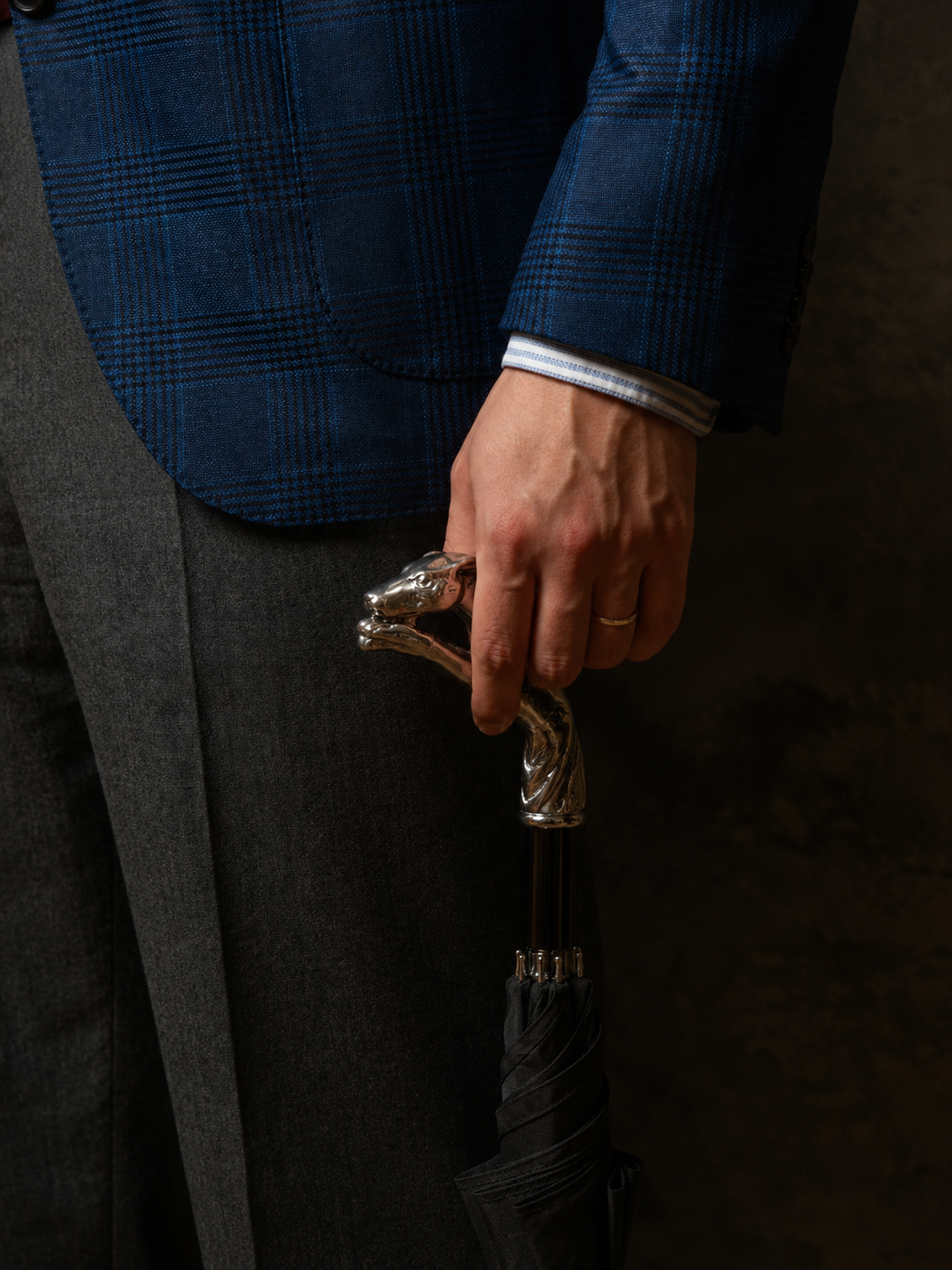
We recently finished re-cataloguing all 236 walking canes in our collection by hand — not by title, by photograph. Every handle was individually inspected and sorted by actual shape and material, because the titles alone were unreliable: a cane marketed as "elegant" or "luxury" told us nothing about whether the handle was a plain knob or a sculpted animal head. That audit is the basis for this guide: real composition data from our own catalog, not generic buying advice.
If you've never shopped for an artisan cane before, the category is more specific than it looks. Four variables actually matter — handle shape, handle material, shaft length, and whether the piece is a fixed single shaft or a two-section travel design. Everything else (gold plating, crystal accents, the maker's name) is a style decision layered on top of those four.
The 4 Things That Actually Define a Walking Cane
A walking cane is defined by its handle shape, handle material, shaft length, and shaft construction (fixed vs. two-piece travel). Handle shape determines grip and silhouette — crook, derby, knob, or sculptural figure. Handle material determines feel and price — wood, horn, silver or gold plate, or crystal. Shaft length determines fit, almost always 30–42 inches depending on the wearer's height. Shaft construction determines portability — a single continuous shaft or a two-piece design that separates for travel.

1. Handle Shape: The Decision That Comes First
Before material or price, decide on shape. There are four traditional forms, plus a fifth category — sculptural figures — that sits outside tradition entirely.
- Crook — the shepherd's-hook curve, the oldest and most recognizable cane silhouette. Hooks over a forearm or chair back when not in use.
- Derby (Fritz handle) — a horizontal bar sitting at an angle to the shaft, named for its resemblance to a bowler-hat brim. The standard "gentleman's cane" profile.
- Knob or ball — a round or domed cap, the simplest traditional form. Takes plating and crystal work well because the surface is a single continuous curve.
- T-top or swan-neck — a straight crossbar or a gently curved neck leading to a small cap; less common, slightly more formal than a derby.
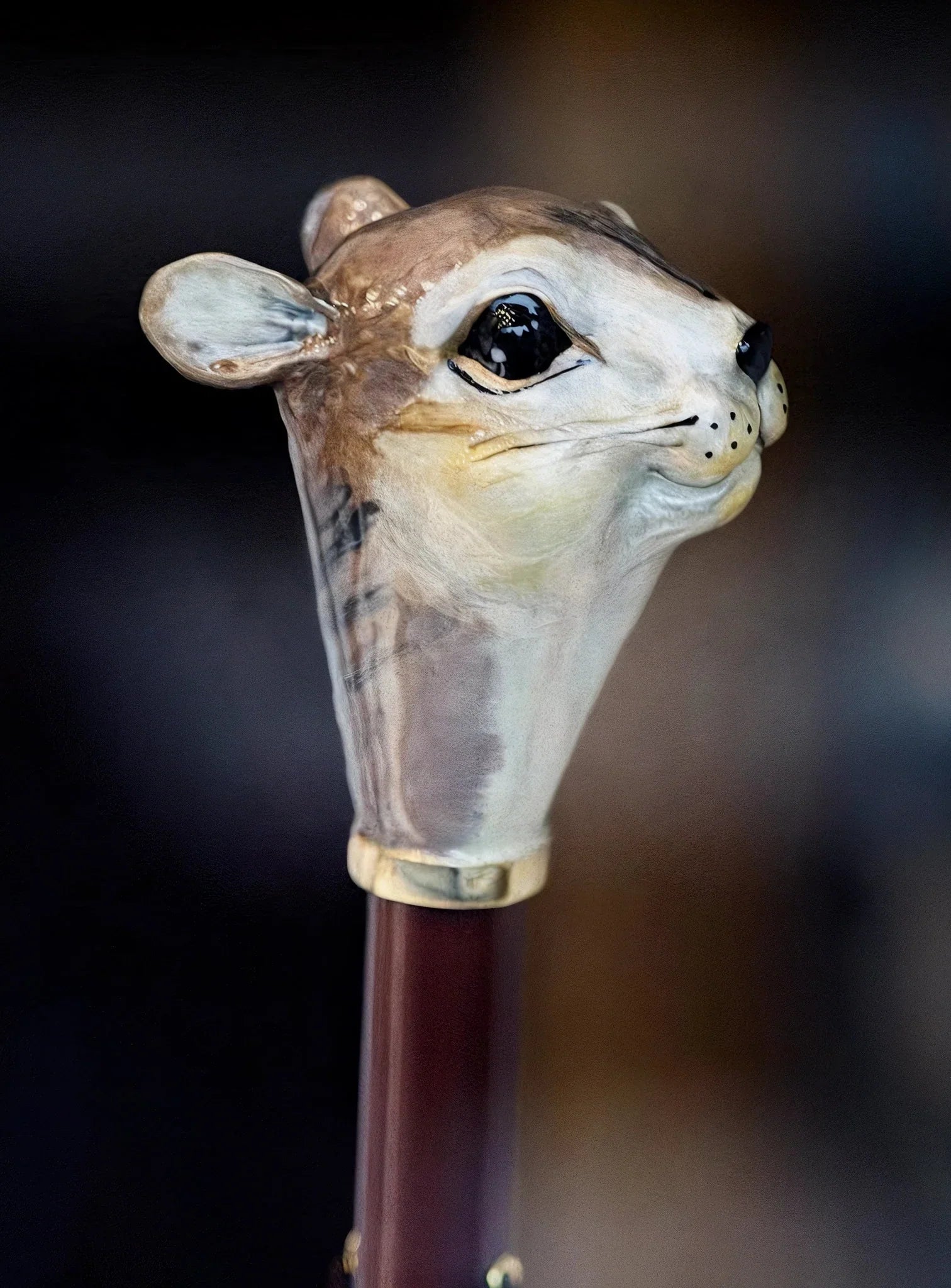
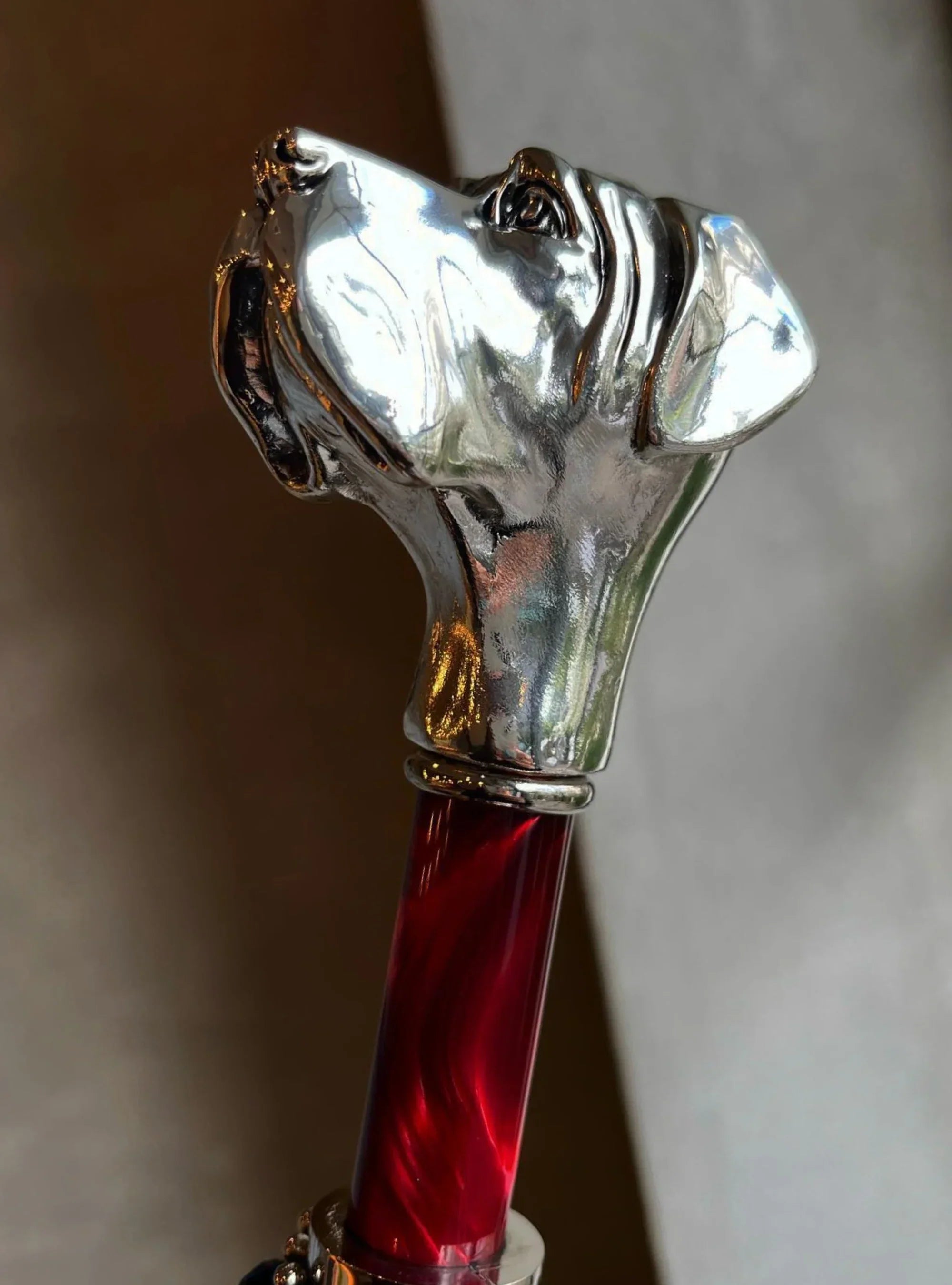
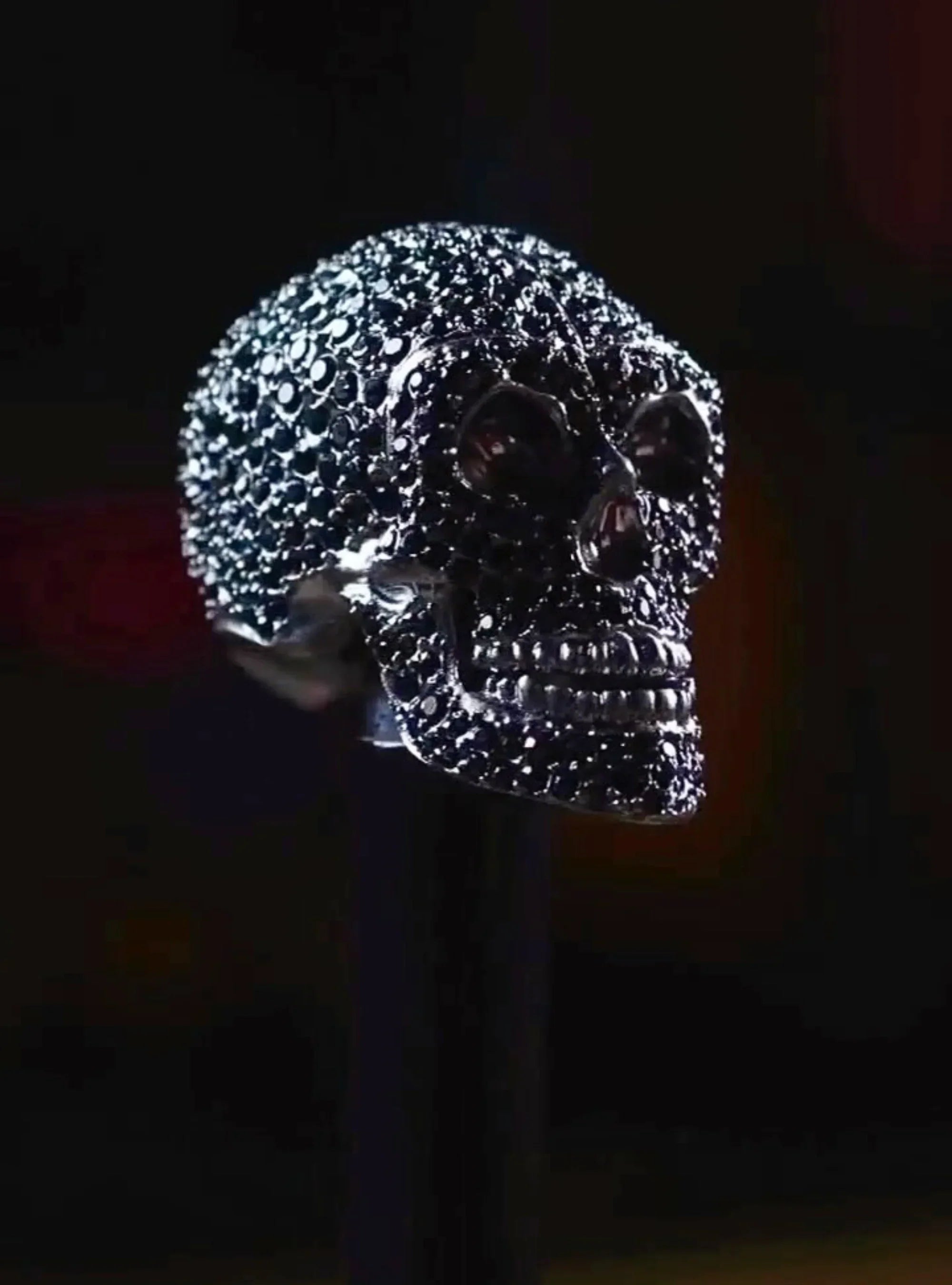
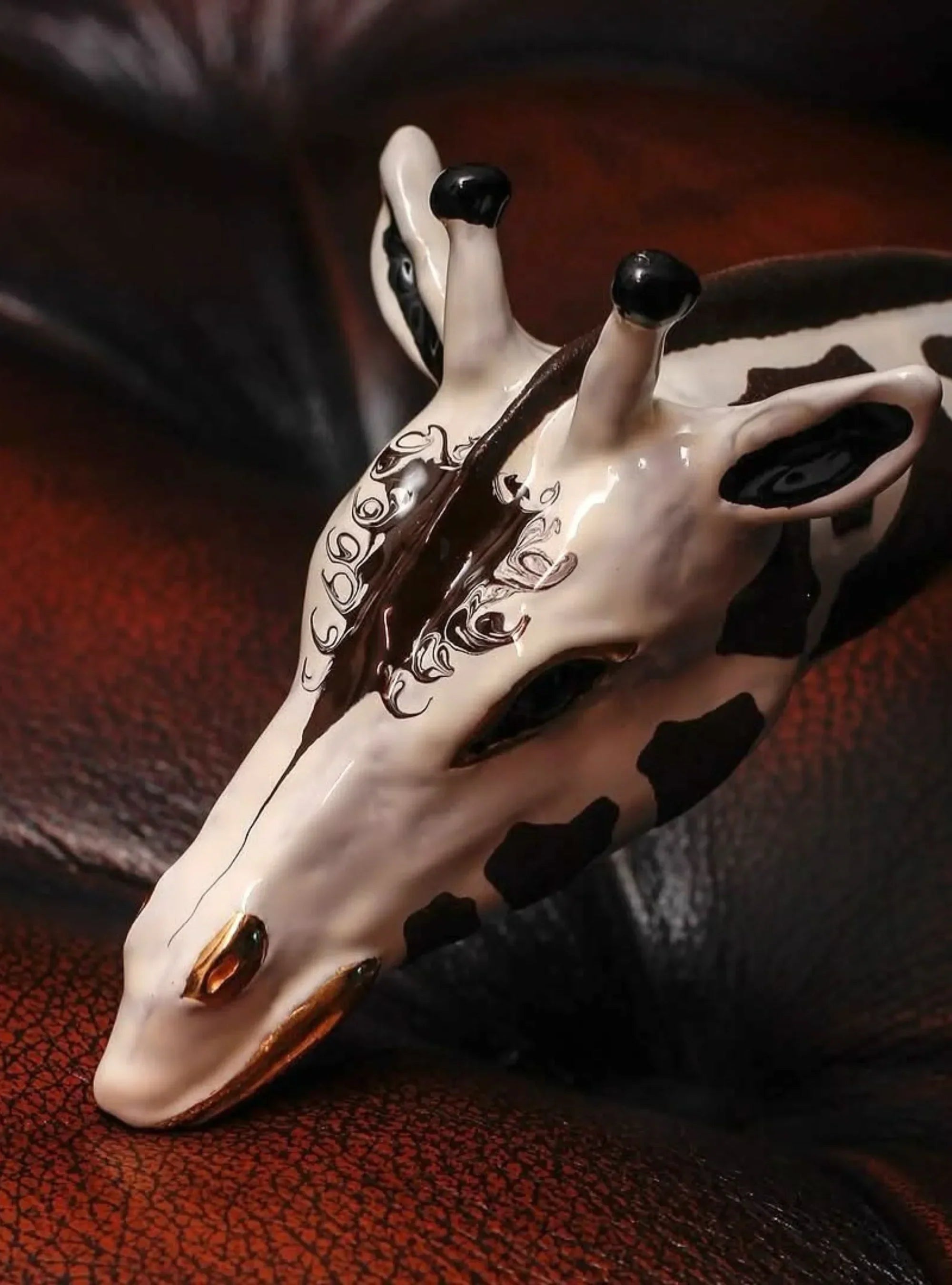
- Sculptural figure — the handle itself is carved or cast into a recognizable form: an animal head, a mythological figure, a skull, a novelty object. This is a design category of its own, not a variation on the four traditional shapes above.
Fact: Of the 236 canes in our current catalog, 99 (42%) use one of the four traditional shapes above in a plain or lightly ornamented form — what we tag internally as "Classic." A further 79 (33%) are sculptural animal handles. The remaining quarter split across dense crystal-pavé statement pieces, novelty objects, and human or mythological figures.
Insight: Gold plating or a crystal accent does not change which of these two camps a cane belongs to. A 24K gold-plated derby handle is still a derby — the shape is what reads as "classic" or "sculptural" from across a room, not the finish.
2. Handle Material: What You're Actually Paying For
| Material | What It Is | Feel & Durability |
|---|---|---|
| Solid wood (burl, chestnut, root) | The handle itself is carved or turned from timber — not a wood-finish shaft with a different handle material | Warms to hand temperature, develops patina with use, lightest of the premium options |
| Horn (warthog, antler) | Natural horn or antler, shaped into a crook or knob | Extremely durable, slightly textured grip, each piece visibly unique |
| Silver or gold plate | Brass base electroplated in sterling silver or 24K gold | Cool to the touch, high shine, the plating is a finish layer over a base metal — not solid precious metal |
| Swarovski or cut crystal | Faceted crystal set as a solid ball knob, or pavé-set as a surface covering over a metal base | Heaviest of the common options, most fragile if dropped, highest shelf presence |
| Black beechwood (shaft only) | The shaft material on the large majority of our gold- and silver-handled pieces — not a handle material in its own right | Dense, stable, standard for European-made canes regardless of handle type |
Fact: Only 6 of the 236 canes we carry have a handle where the grip itself — not just the shaft — is genuinely wood-grained. Nearly every other wood reference in a cane's title describes the shaft, with the handle made of a different material entirely.
Metric: If a listing says "polished wood shaft" and features a plated or crystal handle, assume the wood ends where your hand begins. We learned to stop trusting "wood" in a title and start checking the handle in the photo directly — it's the single most common point of confusion we found correcting our own tags.

3. Sizing: How Long Should Your Cane Be?
A cane is correctly sized when the handle reaches the crease of your wrist while you stand upright in your usual shoes, arm relaxed at your side. That measurement, taken from floor to wrist crease, is your target cane length.
- Stand straight, wearing the shoes you'll typically wear with the cane.
- Let your arm hang naturally at your side.
- Measure from the floor to the crease where your wrist meets your palm.
- That number is your cane length. Round to the nearest available size.
Fact: 36 inches (92cm) is the single most common length across our entire catalog — every one of our 236 canes offers it as a size option, and it's the length most customers select. It corresponds to roughly average adult height using the measurement method above.
Insight: Length ranges vary by maker, not by handle style. Our Pasotti pieces run a consistent 30–38 inch range; several of our handcrafted ARTWalkingSticks pieces extend to 42 inches with custom sizing available on request. If you're near either end of the height spectrum, check the specific length range on the listing before assuming standard sizing fits.
4. Fixed Shaft vs. Travel (Two-Section) Canes
Most canes, including nearly everything in our collection, are built as a single continuous shaft — the correct choice for daily use, since a one-piece shaft has no joint to loosen over time. A small minority are built with a discreet brass connector partway down the shaft, allowing the cane to separate into two pieces for packing.
Fact: Out of 236 canes currently in our collection, exactly one is built with a genuine two-section travel mechanism. If packability is a requirement rather than a nice-to-have, confirm the "Travel" or two-section construction explicitly — most listings that merely show a carrying strap or pouch are not referring to a sectional shaft.
Comparing the Makers: What We Actually See in the Catalog
We carry pieces from four workshops, and after sorting every item by hand, a clear pattern emerged in what each one specializes in.
| Maker | Share of Our Catalog | Typical Style | Length Range |
|---|---|---|---|
| Il Marchesato | 68% (160 of 236) | 24K gold or silver-plated handles on black beechwood shafts, frequent Swarovski crystal accents, both classic knob/derby shapes and sculptural animal handles | Typically 30–38" |
| Pasotti | 27% (63 of 236) | Luxury sculptural handles — animal heads, mythological and novelty figures — on polished wood shafts | Consistent 30–38" |
| ARTWalkingSticks | 5% (11 of 236) | Hand-turned natural wood and resin handles, burl grain prominently featured; the only maker we carry offering a two-section travel shaft | Wider range, up to 30–42" with custom sizing available |
| KRT40 | <1% (2 of 236) | One-off custom jeweled sculptural pieces | Standard |
Insight: If you want a genuinely wood-grained handle rather than a plated or crystal one, ARTWalkingSticks is effectively the only place to look in our catalog — it accounts for 11 of our 236 pieces but a disproportionate share of our wooden-handle tag. If you want a sculptural animal or mythological handle, Pasotti and Il Marchesato both carry them, but Pasotti's sculptural work tends toward the more elaborate end — full figures and mythological subjects, not just heads.
A Quick Checklist Before You Buy
- Decide handle shape first — traditional (crook, derby, knob, T-top) or sculptural figure — before filtering by price or finish.
- If the listing says "wood shaft," check the handle in the photo separately. Shaft wood and handle wood are not the same claim.
- Measure wrist-crease-to-floor in your usual shoes and match it to the closest available length — 36" fits most adults.
- If portability matters, confirm a two-section "travel" shaft explicitly — a strap or pouch alone doesn't mean the shaft separates.
- Match the maker to the style: Pasotti and Il Marchesato for sculptural and plated luxury pieces, ARTWalkingSticks for genuine wood-grain handles.
Our full collection is organized around these same four categories, plus sizing. Browse Artisan Walking Canes and use the quick filters — 36 Inches, Classic, Animal, Wooden Handle, and Folding — to go straight to the shape and material you're after.
Frequently Asked Questions
What is the standard length for a walking cane?
36 inches (92cm) is the standard length, measured from the floor to the crease of your wrist while standing upright in your usual shoes with your arm relaxed at your side. It's the length offered across effectively every cane we carry and the one most customers select.
What's the difference between a crook and a derby handle?
A crook is a continuous shepherd's-hook curve, allowing the cane to hang from a forearm or chair back. A derby, also called a Fritz handle, is a horizontal bar set at an angle to the shaft, named for its resemblance to a bowler-hat brim. Both are traditional shapes, distinct from sculptural handles carved into animal or figural forms.
Are gold-plated cane handles solid gold?
No. Gold-plated handles are a brass base electroplated with a thin layer of 24K gold, not solid precious metal. This is standard across the category and is what makes sculptural gold-finish handles accessible at luxury-accessory pricing rather than fine-jewelry pricing.
How do I know if a cane's handle is really wood, not just the shaft?
Check the handle specifically in the product photo rather than relying on the title. Many canes described with "wood shaft" pair that shaft with a plated metal, crystal, or resin handle — the wood reference applies only to the shaft, not the grip. A genuinely wood-grained handle will show visible grain texture in the part you actually hold.
Can a walking cane fold or separate for travel?
Most canes are built as a single fixed shaft, which is more durable for daily use since there's no joint to loosen. A small number are built with a two-section shaft that separates via a discreet connector for packing — look for this described explicitly as a "travel" or sectional shaft, since a carrying strap or pouch alone does not indicate a separable shaft.

Teilen:
How to Choose the Right Walking Cane Length: A Complete Sizing Guide
How to Maintain a Wooden Handle Luxury Umbrella?