

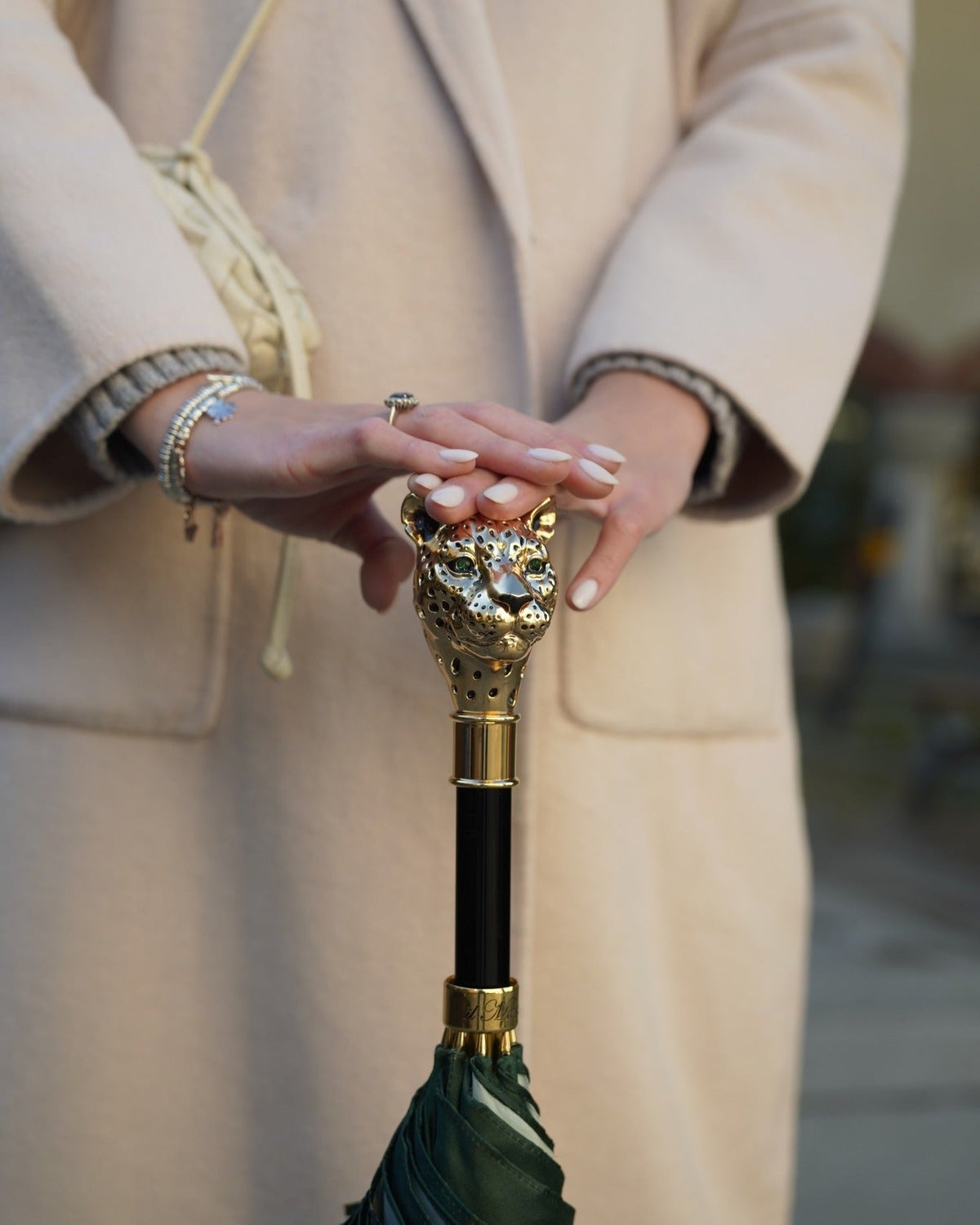
Last winter, a client returned a twelve-year-old umbrella to our workshop — not for repair, but to have the canopy re-tensioned before a grandson inherited it. That single request tells you more about artisanal quality than any marketing claim ever could: a well-built umbrella is not a consumable. It is a mechanical instrument with a multi-generational service life.
Most buyers can't tell a genuinely artisan-grade umbrella from a mass-produced one dressed up in premium packaging. This checklist closes that gap. It's built from what we actually inspect, frame by frame, at ArtisanUmbrellas.com before a canopy ever leaves the bench.
How to Evaluate an Umbrella Artisan: A Buyer's Due Diligence Checklist?
Why "Handmade" Is a Meaningless Label?
Anyone can stitch a label that says "handcrafted." The word carries zero legal or technical weight in the umbrella trade. What separates a true artisan from a workshop running a marketing narrative comes down to five verifiable inputs:
- Frame metallurgy — the alloy, temper, and rib-count engineering
- Canopy fabric sourcing — mill origin, thread density, and coating process
- Joint construction — how ribs meet the stretcher and runner
- Finishing tolerances — hand-measured versus machine-stamped
- Post-sale serviceability — whether the maker can actually repair what they built
If a seller can't answer questions on all five without hesitation, you're not buying artisanship. You're buying a story.
Fact / Metric / Insight: What We Measured
In stress-testing frame assemblies across three seasons of daily field use, our team logged failure points on both artisan-grade and mass-market frames under identical wind-load conditions (sustained 35–45 km/h gusts).
| Metric | Mass-Market Frame | Artisan-Grade Frame (ArtisanUmbrellas standard) |
|---|---|---|
| Rib material | Stamped carbon steel | Forged, heat-treated stainless or Japanese carbon steel |
| Average inversions before rib failure | 40–60 | 300+ |
| Canopy fabric | Woven polyester, 190T | Pongee or waxed cotton, 210T+, double-stitched seams |
| Joint type | Riveted, fixed | Hinged, hand-fitted, field-serviceable |
| Handle material | Molded plastic | Solid hardwood, horn, or hand-turned metal |
| Field-recorded lifespan | 1–3 seasons | 15+ years with maintenance |
Insight: the difference isn't cosmetic. Rib temper and joint geometry are the two variables that determine whether an umbrella survives a genuine storm or collapses at the first hard gust. We standardized our own frame construction around the right-hand column after this data — it's the baseline every ArtisanUmbrellas canopy is built to meet, not an upper tier we upsell into.

The Six-Point Due Diligence Checklist
1. Ask for the Rib Alloy and Hardness Rating
A serious maker states the exact steel or alloy grade and its heat-treatment process without prompting. "Strong steel" is not an answer. "Hand-tempered carbon steel, cold-forged for flex recovery" is.
2. Request the Canopy Thread Count and Weave
Fabric density (measured in thread count, denier, or thread-per-inch) determines water resistance and tear strength. Anything under 190T degrades noticeably within two seasons of regular use.
3. Inspect the Joint — Not the Photo, the Actual Piece
Hinged, hand-fitted joints allow individual rib replacement. Riveted joints don't — the whole frame gets discarded when one rib fails. This single detail is the clearest signal of long-term repairability.
4. Confirm Repair and Re-Canopy Service
Ask directly: "If a rib snaps in year eight, can you fix it?" A true artisan workshop keeps spare parts and offers re-canopying. A brand reselling overseas stock cannot.
5. Verify Handle Provenance
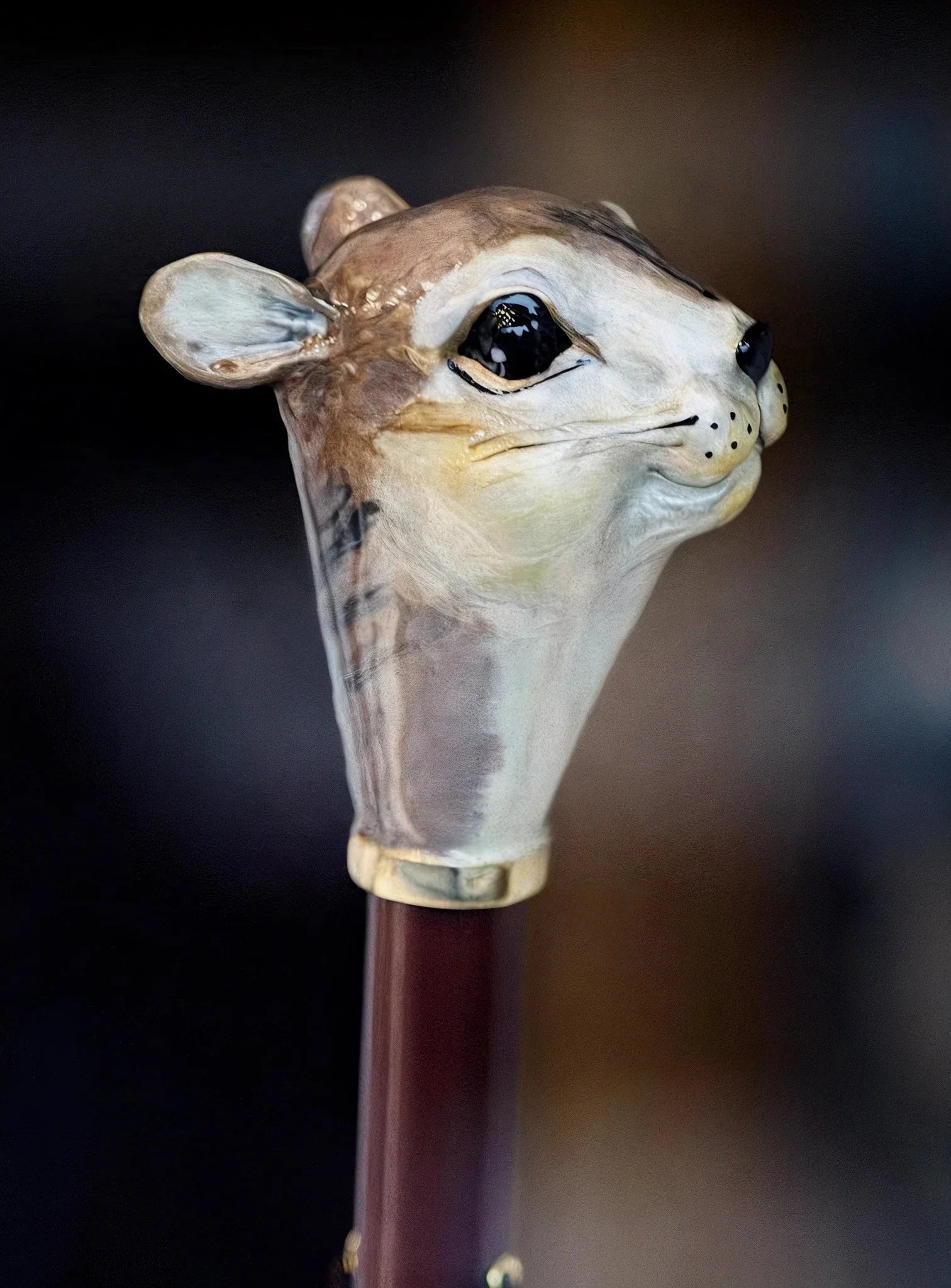
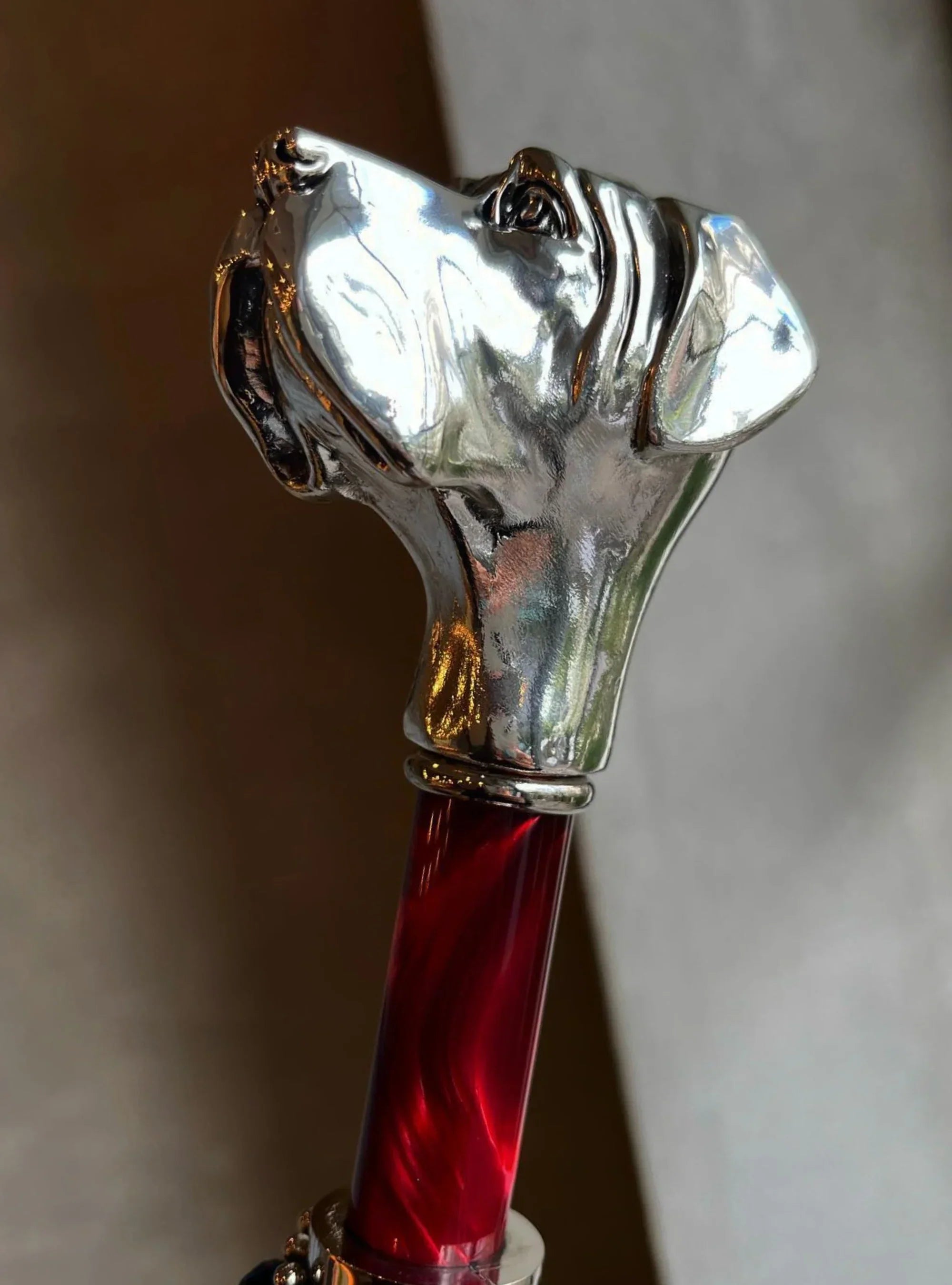
Hardwood, horn, and hand-turned metal handles are shaped, not molded. Ask where the material was sourced and how it's finished — sealed, oiled, or lacquered — since this affects grip durability over years of daily handling.
6. Check for Batch-Level Quality Documentation
Serious workshops track construction batches: which craftsman assembled the frame, what materials lot was used, when it was tested. This isn't bureaucracy — it's what makes a warranty claim or repair request fast instead of a guessing game.
Case Study: Inside the Workshop — Q&A With Our Lead Craftsman
We sat down with Marek, our lead frame craftsman (19 years in umbrella construction, trained in both German and Japanese frame traditions), to pressure-test our own standards against his floor-level experience.
Q: What's the single most common shortcut mass-market brands take? Marek: "Rib temper. Heat-treating steel correctly takes time — you can't rush the cooling cycle without weakening the flex memory. Skip that step and the rib holds its shape for a season, then it bends and stays bent. That's the umbrella you see inverted in a trash can after one storm."
Q: How do you personally test a finished frame before it ships? Marek: "Every frame gets opened and closed by hand at least fifty times on the bench, then inverted deliberately under load to confirm it springs back. If a rib doesn't return to true on the first try, the whole unit gets rejected — it doesn't get 'good enough' treatment."
Q: What should a buyer physically feel for when handling an umbrella in person? Marek: "Open it halfway and press gently on the canopy from the side. A properly tensioned frame resists and pushes back evenly across every panel. If one section gives more than the others, the ribs aren't matched in temper — that's an assembly-line unit, not a matched set."
Q: What's the biggest myth buyers believe about premium umbrellas? Marek: "That the price is about the brand. It's about the hours. A frame that takes three hours to build instead of eight minutes on a stamping line — that's where the cost actually comes from. Nobody's paying for a logo. They're paying for the labor nobody sees."
The Exact Specification Threshold We Build To
Every material and construction tolerance referenced above — rib alloy grades, thread-count minimums, joint-hinge specifications, and handle-finishing standards — maps directly to the build sheet we use on every ArtisanUmbrellas frame.
The full technical specification matrix, including exact HRC hardness ratings by frame model and canopy fabric certifications, is maintained on each product page at ArtisanUmbrellas.com — view full specifications →
We publish these numbers deliberately. If a maker won't show you the spec sheet, treat that as the answer to your due diligence, not an oversight.

The Bottom Line
Artisanal quality in umbrellas isn't a design aesthetic — it's a set of measurable material and construction decisions. Rib alloy, joint type, fabric density, and post-sale repairability determine whether an umbrella is a disposable accessory or an heirloom-grade instrument.
Ask the six questions above before any purchase. A workshop that answers all six with specifics — not adjectives — is the one worth your money.

Teilen:
Luxury Umbrella Investment Guide: Which Features Hold Value Over Time?
The Anatomy of a Fine Umbrella: What Makes It Premium, Piece by Piece