

Last updated: September 2026
There is a moment, in every umbrella showroom, when a customer opens a Pasotti for the first time — that first clean, silent unfurling — and assumes, reasonably, that a machine did most of the work. It did not. What looks effortless at the point of sale is the last five seconds of a process that, for a single umbrella, runs to dozens of individual hands-on steps. Here is what actually happens before a Pasotti umbrella ever reaches a shelf.
It Starts With a Flat Piece of Fabric
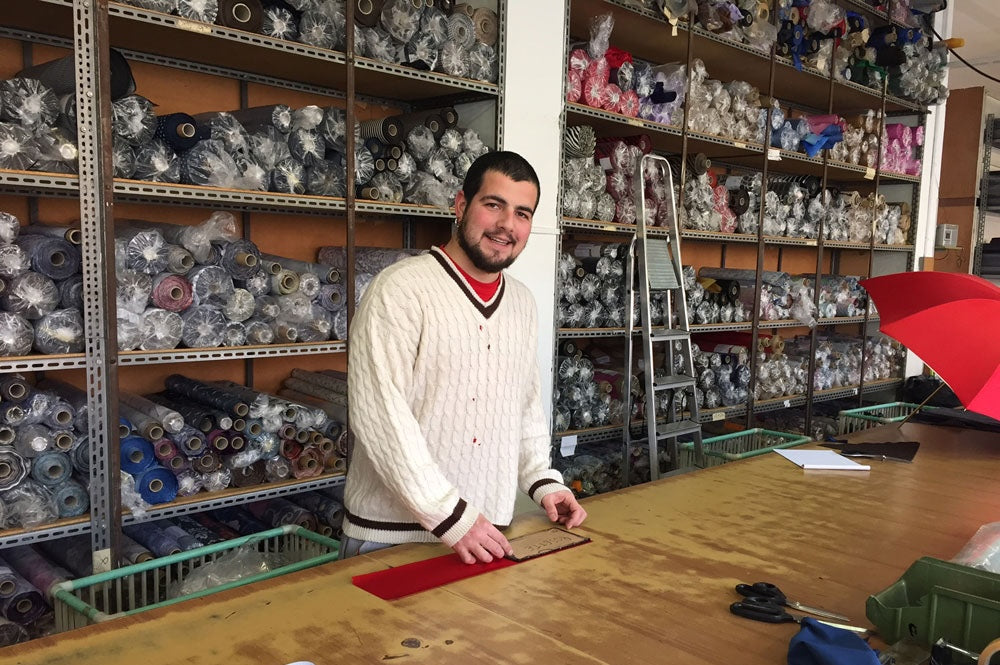
Every canopy begins as a bolt of fabric — pongee, satin, or micro-weave polyester, depending on the model — which is inspected under light for weave flaws before a single cut is made. A flawed panel discovered after assembly means unpicking finished stitching, so quality control happens at the earliest and cheapest possible point: before the scissors touch anything.
The fabric is then cut into wedge-shaped panels, typically eight or sixteen per canopy depending on the frame. This is not a single stamped-out shape. Each panel is a precise triangular segment, wider at the base and narrowing to a point, cut so that when eight or sixteen of them are joined edge to edge, they form a continuous dome rather than a flat, awkward polygon. Get the angle of a single panel wrong by even a degree or two, and the finished canopy will sit unevenly on the frame — which is why cutting is still done against fixed templates rather than eyeballed.

The Sewing Line: Where Most of the Labor Actually Lives
Joining the panels is the single most labor-intensive stage of making an umbrella, and the one most resistant to automation. Each seam between two panels is sewn twice — once to join the fabric, once to reinforce it — using a double-stitch technique that has to withstand years of wind stress at the exact point where the canopy is weakest: the seam itself, not the fabric.
At the tip of each seam, where all the panels converge at the crown of the umbrella, a small reinforced cap is sewn over the gathered fabric to prevent fraying and to anchor the canopy to the umbrella's central shaft. At the outer edge of each panel, a second line of stitching creates a channel through which the rib tip will later be threaded — the detail that keeps the fabric taut against the frame rather than billowing loose in wind. None of this is visible in a finished umbrella. All of it determines whether that umbrella survives its first real storm.

Marrying Canopy to Frame
Once the canopy is fully assembled, it is stretched over the metal frame — fiberglass or steel ribs, depending on the model — and secured at each rib tip and at the crown. This stage is done by feel as much as by measurement: a canopy pulled too tight will strain and tear at the seams within a season; one left too loose will sag, flap, and invert in a strong gust. An experienced assembler can tell the correct tension by hand, in a way that has proven difficult to replicate reliably by machine, which is part of why this step has remained a manual one even in larger production runs.
The frame itself has already gone through its own separate process — ribs cut to length, joints riveted, the opening mechanism tested for smooth, silent action — explored in more detail in our frame and rib engineering guide. By the time canopy meets frame, both halves have already passed their own individual inspection.

The Handle: Where Craft Becomes Sculpture
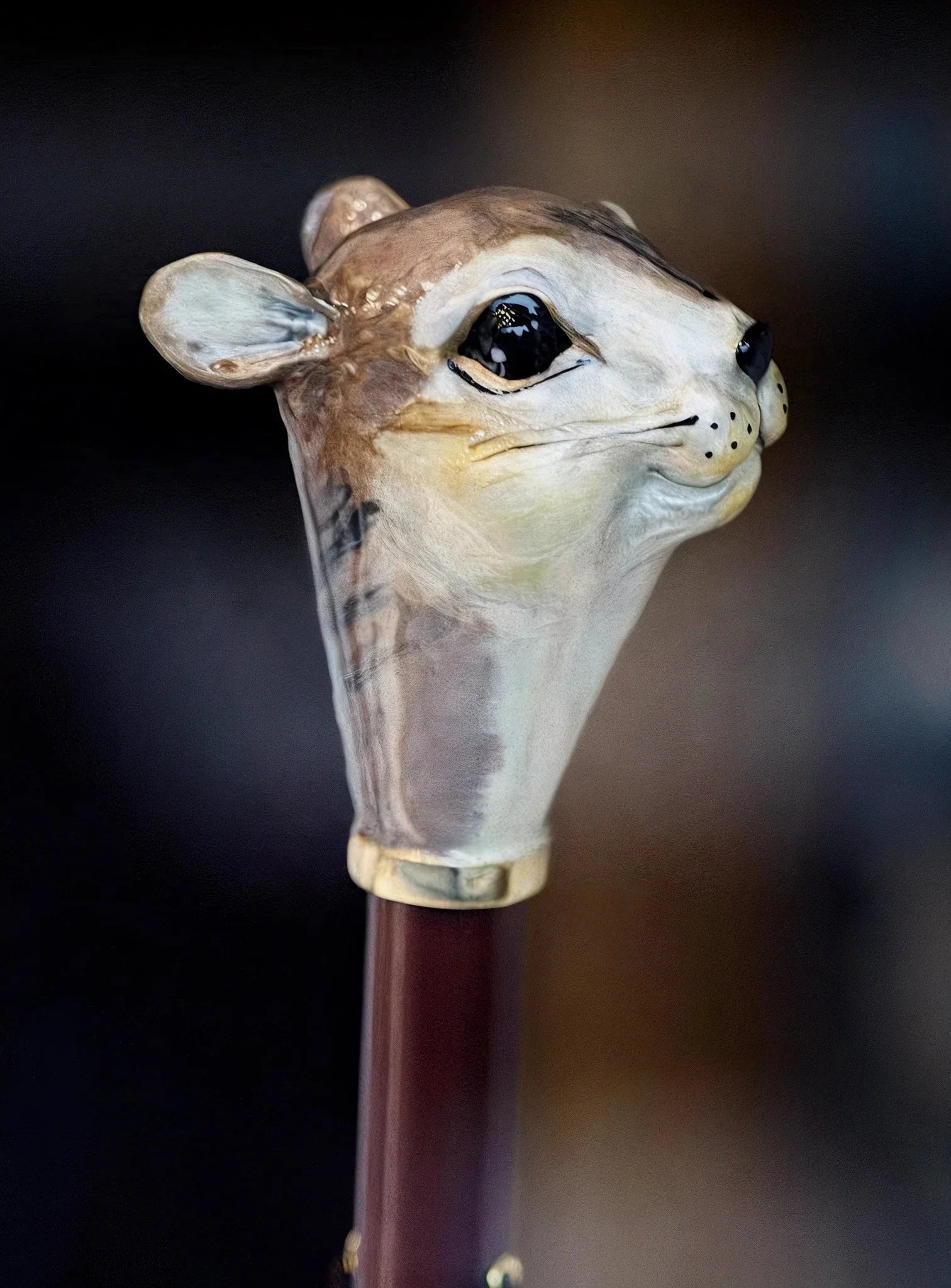
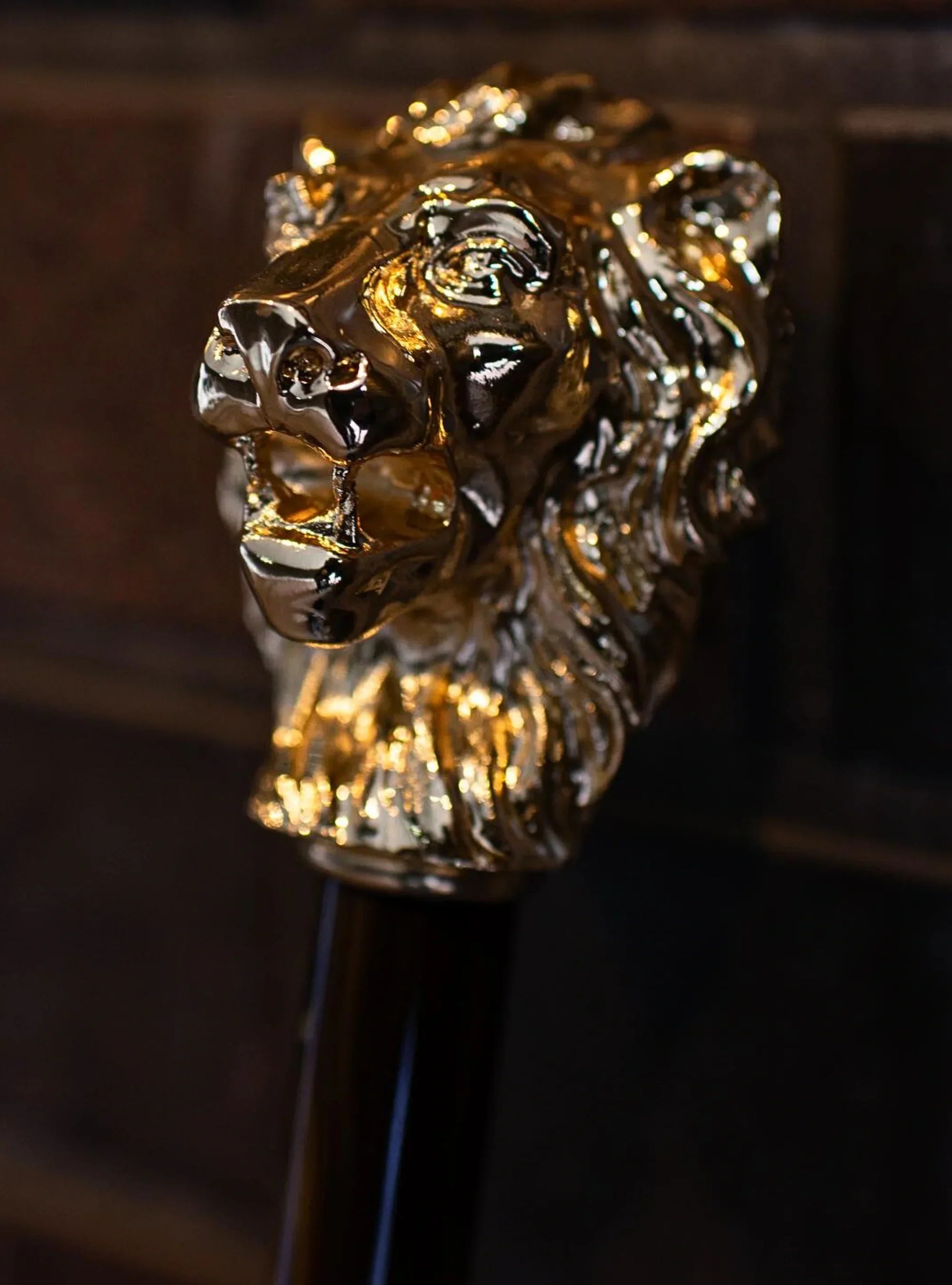
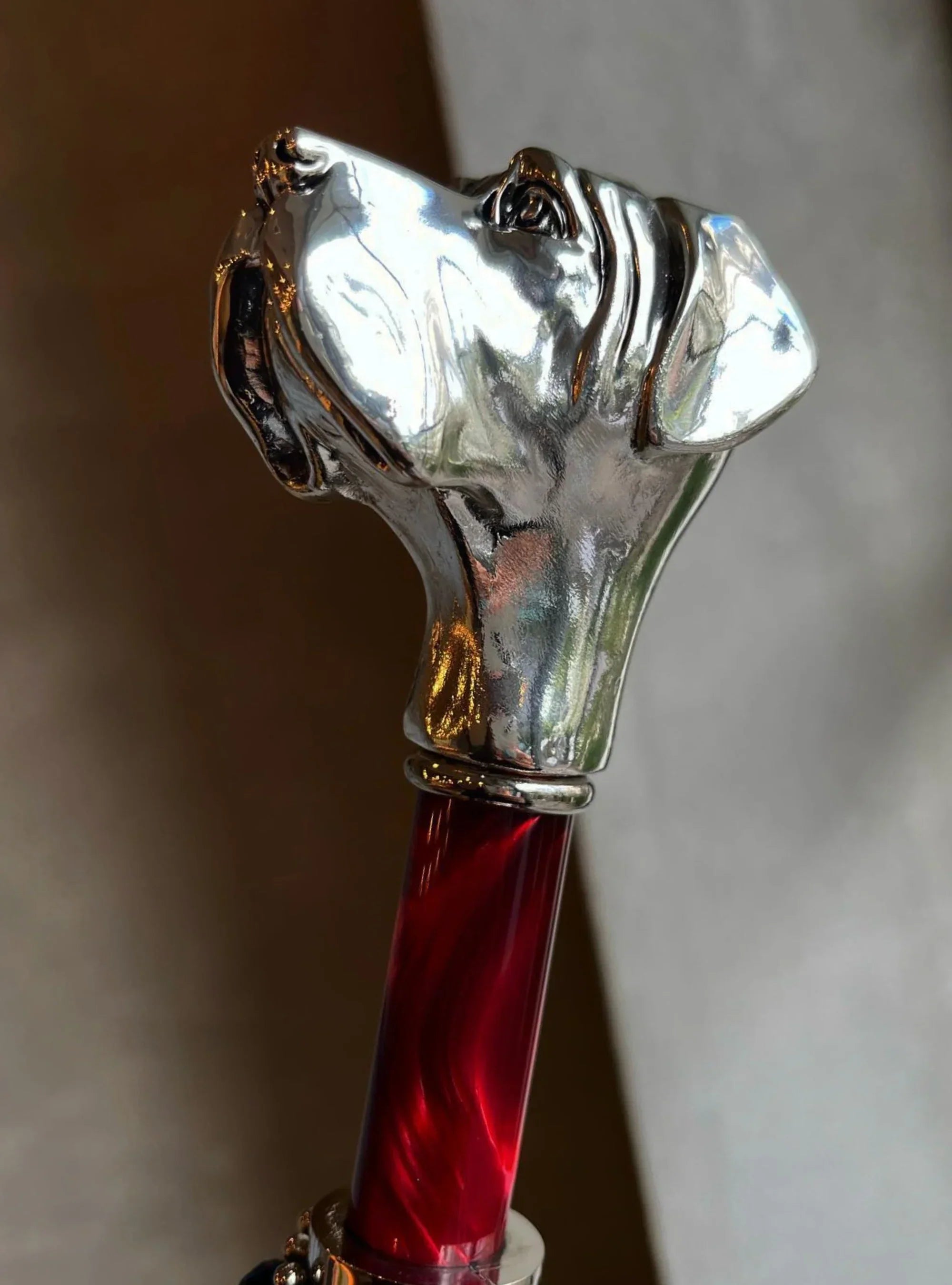
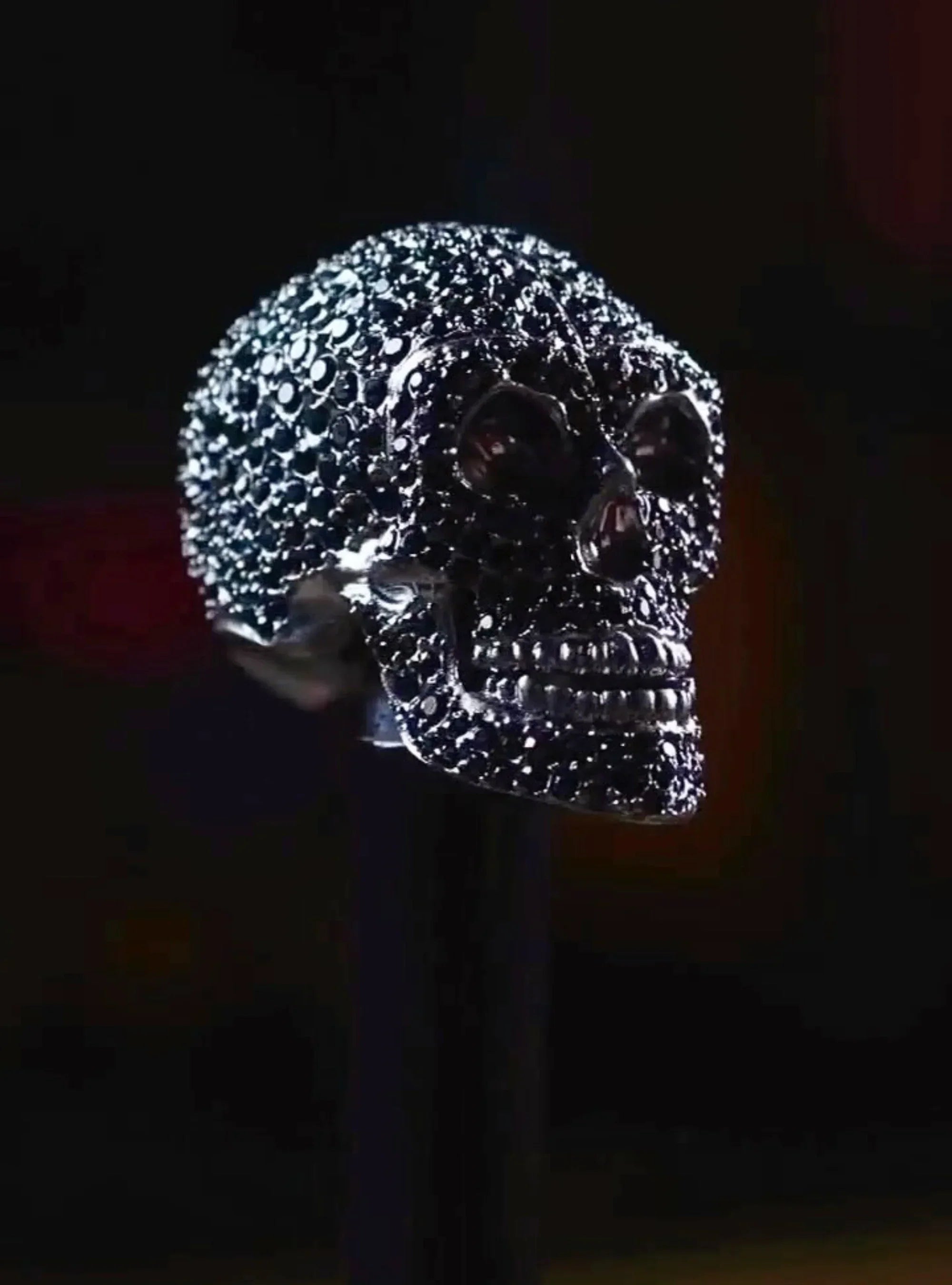
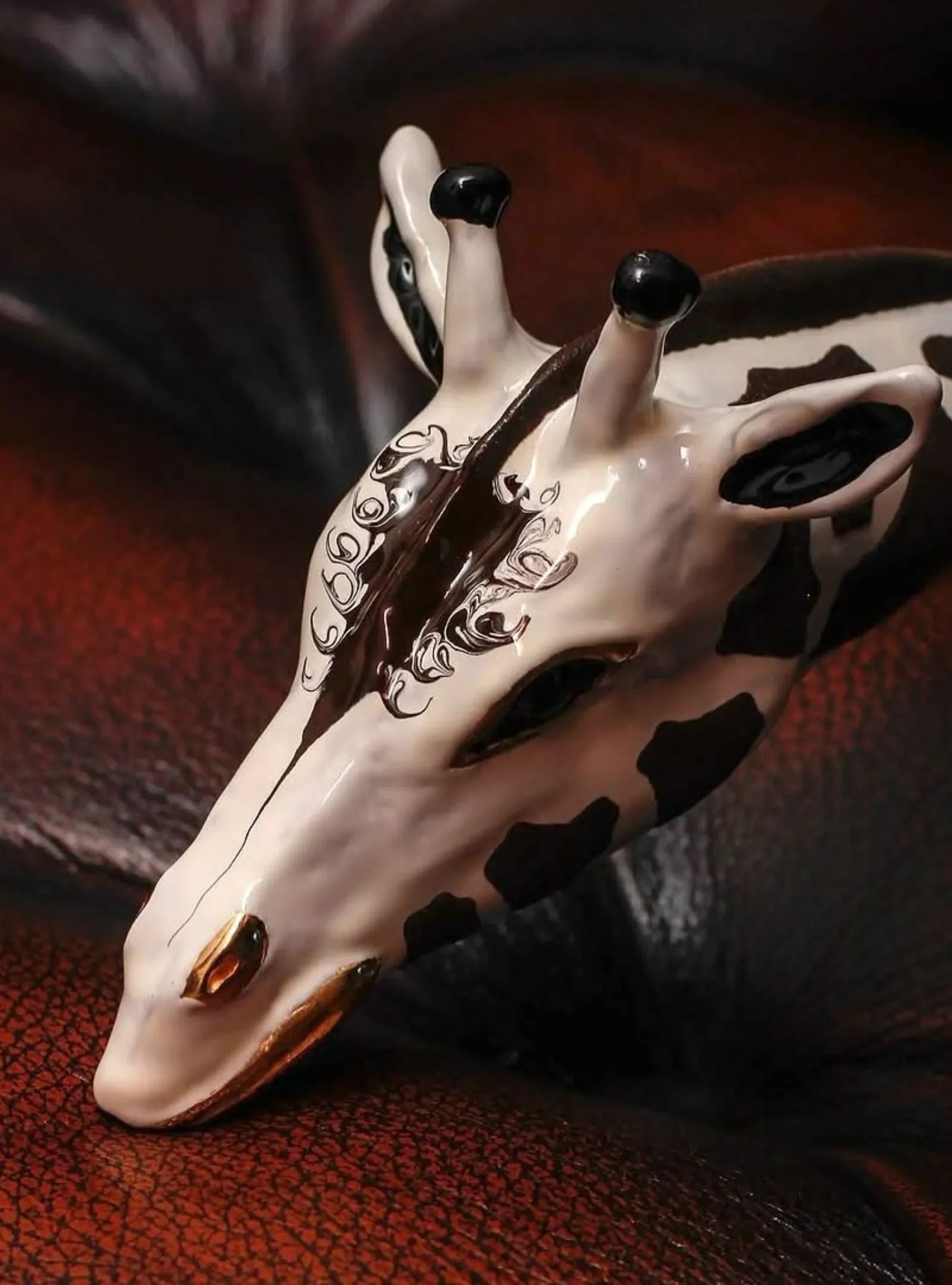
While the canopy and frame come together, the handle is finished separately — turned from wood, cast in resin, or shaped from brass, then sanded, polished, and in many Pasotti and Il Marchesato pieces, hand-painted or set with crystal detail. A figural handle, carved to resemble an animal or finished with an enameled motif, can take longer to complete than the rest of the umbrella combined, since no two brushstrokes on a hand-painted piece are identical and no shortcut exists for that kind of detail work.
The handle is fitted to the shaft last, checked for grip comfort and balance — an umbrella that is handle-heavy or shaft-heavy feels wrong in the hand within the first few steps of carrying it — and only then does the umbrella move to final inspection.

Final Inspection: Opened and Closed, By Hand, Multiple Times
Before an umbrella leaves the workshop, it is opened and closed by hand several times to confirm the mechanism runs smoothly under real use rather than just on a test bench. The canopy is checked for symmetry, the seams for any missed stitch, the handle for any rough edge in the finish. Only after passing this manual check does the umbrella receive its final packaging.
This is, in the end, the actual argument for buying handmade: not sentimentality, but the fact that a human being looked at this specific umbrella, opened it, closed it, and decided it was good enough to put a name on. A machine-stamped umbrella never has that moment. Every Pasotti does.

Frequently Asked Questions
How long does it take to make one umbrella?
A single handmade umbrella typically requires several hours of direct labor across cutting, sewing, frame assembly, and finishing — though hand-painted or figural handles can add considerably more time, since detailed handle work cannot be rushed without visibly affecting quality.
Why does hand-stitching matter more than fabric quality?
The seams, not the fabric itself, are the weakest point of any umbrella canopy. Double-stitched, reinforced seams distribute wind stress evenly across the panel joints, which is why two umbrellas made from identical fabric can have very different lifespans depending on how well the seams were finished.
Why are figural or hand-painted handles more expensive?
A hand-carved or hand-painted handle cannot be mass-produced without losing the detail that makes it distinctive. Each one requires individual sculpting, sanding, and finishing time, which is reflected in the price difference between a standard handle and a figural one.
Source note: Process description based on established artisanal umbrella-making techniques; current Pasotti pieces can be viewed in our Pasotti collection.
Teilen:
Umbrella Etiquette Across Cultures: What the Well-Dressed Know
When to Repair, When to Replace: The Luxury Umbrella Restoration Guide