

Updated August 2026.
A parasol blocks sun; an umbrella sheds rain — and the construction differences that follow from that one job are bigger than they look from across the street.
Built for opposite jobs
An umbrella's canopy fabric is treated or woven to be water-resistant and often darker, since UV protection isn't the point. A parasol's canopy prioritizes UV-blocking density and is frequently lighter in color, since reflecting heat matters more than shedding water. Using a parasol in real rain typically soaks through; using a rain umbrella as sun protection works, but wastes what it's actually built for.
Construction differences
- Fabric treatment — umbrellas are coated or woven for water resistance; parasols are not weatherproofed the same way.
- Frame weight — parasols are often lighter, built to be held for long stretches rather than braced against wind and rain.
- Color and opacity — darker, denser canopies suit rain umbrellas; lighter, tightly woven fabric suits sun protection.
Why the words get used interchangeably
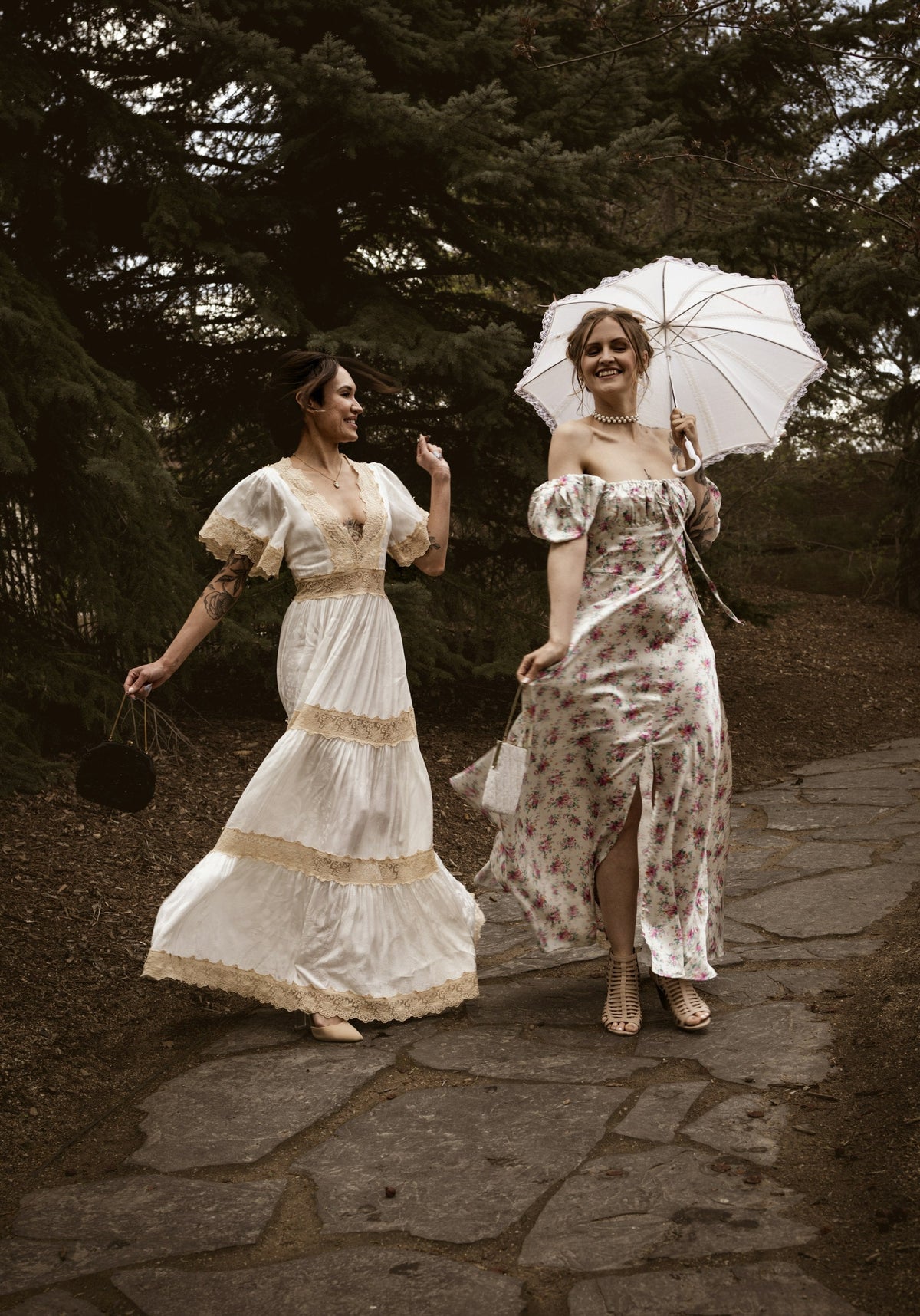
Historically, the same basic folding-frame object served both purposes long before waterproofing treatments existed — which is part of why the vocabulary still overlaps today, especially in decorative and bridal contexts where a parasol is chosen purely for its look rather than function.
Quick answers
Can I use a parasol in the rain?
Not reliably — most parasols aren't treated for water resistance and will soak through.
Can I use a rain umbrella for sun protection?
Yes, though a dedicated parasol with proper UV-rated fabric blocks more UV than a standard rain canopy.
Is a parasol just a decorative umbrella?
Not exactly — functional parasols are built for UV protection specifically, though decorative versions (common at weddings) prioritize appearance over either function.
Teilen:
Why Do Umbrellas Turn Inside Out in Wind? The Physics, Explained
The History of the Umbrella: From Ancient Sunshade to Modern Rain Gear