

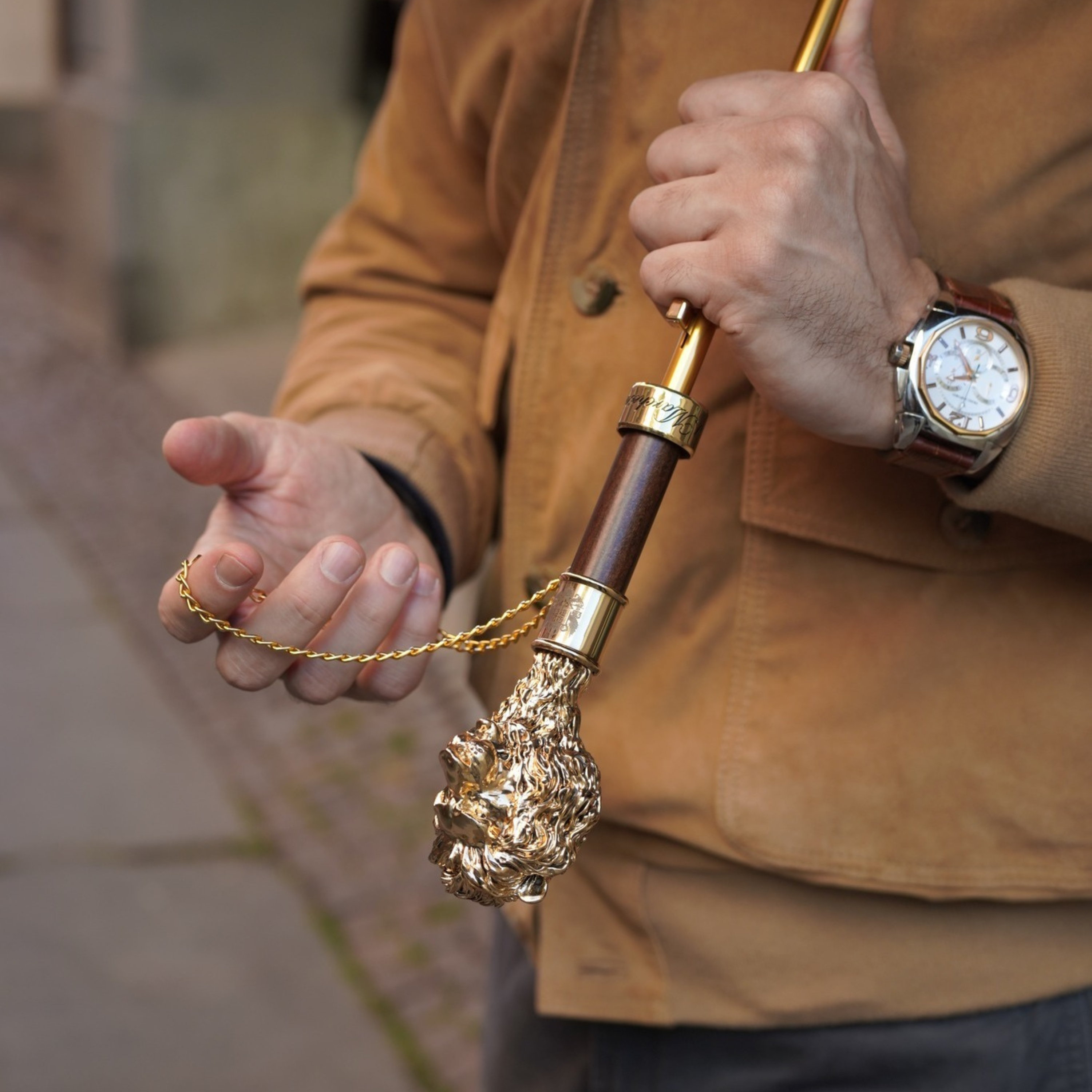
Ein Regenschirm mag wie ein einfaches Alltagsaccessoire erscheinen, doch die Wahl des richtigen Schirms kann einen erheblichen Unterschied in Bezug auf Komfort, Haltbarkeit und Schutz ausmachen. Viele Menschen konzentrieren sich nur auf Aussehen oder Preis und stellen später fest, dass ihr Schirm bei Wind versagt, bei starkem Regen undicht wird oder nach minimalem Gebrauch kaputtgeht.
Ob Sie einen Regenschirm für den täglichen Weg zur Arbeit, Reisen, Outdoor-Veranstaltungen oder langfristige Zuverlässigkeit benötigen, das Verständnis der wichtigsten Merkmale kann Ihnen helfen, einen klügeren Kauf zu tätigen. Dieser Leitfaden erklärt die wichtigsten Regenschirmmerkmale und wie sich jedes einzelne auf Leistung, Haltbarkeit und Benutzererfahrung auswirkt.
Welche Merkmale sind bei einem Regenschirm am wichtigsten?
Warum Regenschirmmerkmale wichtig sind?
Ein hochwertiger Regenschirm ist mehr als nur ein Regenschutz. Er schützt Sie vor rauem Wetter, reduziert die Unannehmlichkeiten unerwarteter Stürme und kann bei Verwendung langlebiger Materialien und durchdachten Designs jahrelang halten.
Der beste Regenschirm ist nicht unbedingt der teuerste. Stattdessen ist es derjenirmige, der die richtigen Merkmale für Ihre spezifischen Bedürfnisse kombiniert.

1. Schirmgröße
Eines der ersten Merkmale, die berücksichtigt werden sollten, ist die Schirmgröße.
Der Schirm ist der Stoffteil, der Schutz vor Regen oder Sonnenlicht bietet. Größere Schirme bieten mehr Schutz, sind aber möglicherweise weniger bequem zu tragen.
Kleiner Schirm (35–40 Zoll)
Am besten geeignet für:
- Kompakte Lagerung
- Reisen
- Leichten täglichen Gebrauch
Mittlerer Schirm (40–48 Zoll)
Am besten geeignet für:
- Die meisten täglichen Benutzer
- Pendeln
- Ausgewogene Tragbarkeit und Abdeckung
Großer Schirm (ab 48 Zoll)
Am besten geeignet für:
- Starken Regen
- Teilen mit einer anderen Person
- Maximalen Schutz
Ein größerer Schirm bietet im Allgemeinen besseren Schutz, kann aber in überfüllten Bereichen schwieriger zu handhaben sein.
2. Windbeständigkeit
Windbeständigkeit ist einer der wichtigsten Indikatoren für die Qualität eines Regenschirms.
Viele Regenschirme versagen nicht wegen des Regens, sondern weil starker Wind sie umstülpt oder bricht.
Achten Sie auf:
- Verstärkte Rahmenkonstruktion
- Flexible Speichen
- Windventilierte Schirme
- Komponenten aus Fiberglas
Ventilierte Schirme
Ein ventilierter Schirm enthält speziell entwickelte Öffnungen, die es dem Wind ermöglichen, hindurchzuströmen, anstatt darunter gefangen zu werden.
Vorteile sind:
- Reduziertes Umstülpen
- Bessere Stabilität
- Verbesserte Haltbarkeit bei Stürmen
Für Menschen, die in windigen Klimazonen leben, sollte die Windbeständigkeit oberste Priorität haben.
3. Rahmenmaterial
Der Rahmen dient als Skelett des Regenschirms. Seine Qualität bestimmt maßgeblich die Langlebigkeit und Leistung.
Fiberglas
Fiberglas hat sich zu einem der angesehensten Materialien für Regenschirme entwickelt, da es bietet:
- Flexibilität
- Stärke
- Korrosionsbeständigkeit
- Leichte Bauweise
Im Gegensatz zu starren Metallen biegt sich Fiberglas unter Druck und kehrt in seine ursprüngliche Form zurück.
Stahl
Stahl bietet:
- Hervorragende Stärke
- Erschwingliche Preise
Allerdings kann Stahl schwerer sein und schließlich rosten, wenn er nicht richtig geschützt wird.
Aluminium
Aluminium bietet:
- Leichte Tragbarkeit
- Korrosionsbeständigkeit
Der Nachteil ist, dass einige Aluminiumrahmen starken Winden möglicherweise nicht so effektiv standhalten wie Fiberglas.
4. Qualität des Schirmstoffs
Die Stoffbespannung beeinflusst direkt die Wasserbeständigkeit, das Aussehen und die Lebensdauer.
Polyester
Der gebräuchlichste Regenschirmstoff.
Vorteile:
- Erschwinglich
- Leicht
- Schnell trocknend
Pongee-Gewebe
Ein hochwertiges Material, das oft in hochwertigeren Regenschirmen zu finden ist.
Vorteile:
- Glatte Textur
- Verbesserte Wasserabweisung
- Verbesserte Haltbarkeit
- Elegantes Aussehen
Nylon
Nylon ist leicht und wasserabweisend, kann aber schneller Gebrauchsspuren zeigen als hochwertige Stoffe.
Ein hochwertiger Stoff sollte Wasser effektiv abweisen und sein Aussehen nach wiederholtem Gebrauch beibehalten.
5. Wasserabweisung
Nicht alle Regenschirme gehen gleich gut mit Wasser um.
Fortschrittliche wasserabweisende Beschichtungen lassen Regentropfen auf der Schirmoberfläche abperlen und abrollen.
Vorteile sind:
- Schnelleres Trocknen
- Reduziertes Abtropfen
- Einfachere Lagerung nach Gebrauch
- Verbesserte Sauberkeit
Ein schnell trocknender Schirm ist besonders nützlich für Pendler und Reisende.

6. Griffdesign und Komfort
Da ein Regenschirm von Hand getragen wird, spielt der Griffkomfort eine große Rolle für die Zufriedenheit des Benutzers.
Krümmgriffe
Traditionelle gebogene Griffe bieten:
- Elegantes Aussehen
- Einfaches Aufhängen
- Sicheren Halt
Gerade Griffe
Moderne gerade Griffe bieten:
- Kompakte Lagerung
- Zeitgemäßen Stil
- Bequeme Tragbarkeit
Ergonomische Griffe
Speziell für Komfort entwickelt.
Vorteile sind:
- Reduzierte Ermüdung der Hand
- Bessere Griffsicherheit
- Erhöhter Komfort bei längerem Gebrauch
Der beste Griff hängt von persönlichen Vorlieben und der Häufigkeit der Nutzung des Regenschirms ab.
7. Öffnungs- und Schließmechanismus
Regenschirme lassen sich im Allgemeinen in drei Kategorien einteilen.
Manuelles Öffnen
Vorteile:
- Weniger bewegliche Teile
- Zuverlässige Konstruktion
- Niedrigere Kosten
Automatisches Öffnen
Vorteile:
- Schneller Einsatz
- Bequem bei plötzlichem Regen
Automatisches Öffnen und Schließen
Vorteile:
- Einhandbedienung
- Hervorragender Komfort
- Ideal für Pendler
Während automatische Systeme den Komfort erhöhen, ist eine hochwertige Konstruktion besonders wichtig, um langfristige Zuverlässigkeit zu gewährleisten.
8. Tragbarkeit und Gewicht
Der ideale Regenschirm sollte leicht zu tragen sein, ohne an Haltbarkeit einzubüßen.
Kompakte Regenschirme
Am besten geeignet für:
- Reisen
- Handtaschen
- Rucksäcke
Schirme in voller Länge
Am besten geeignet für:
- Täglichen Gebrauch
- Größere Haltbarkeit
- Bessere Windbeständigkeit
Vielreisende legen oft Wert auf Tragbarkeit, während tägliche Spaziergänger von einem größeren, robusteren Design profitieren können.
9. Haltbarkeit und Langlebigkeit
Ein langlebiger Regenschirm kann jahrelang zuverlässig dienen.
Merkmale, die mit Langlebigkeit verbunden sind, umfassen:
- Verstärkte Speichen
- Fiberglas-Komponenten
- Hochwertiger Stoff
- Sichere Nähte
- Korrosionsbeständige Materialien
Die Investition in Haltbarkeit reduziert oft die Ersatzkosten im Laufe der Zeit.
10. UV-Schutz
Viele moderne Regenschirme bieten mehr als nur Regenschutz.
UV-blockierende Schirme schützen Benutzer vor schädlichen ultravioletten Strahlen.
Vorteile sind:
- Reduzierte Sonneneinstrahlung
- Verbesserter Komfort bei heißem Wetter
- Besserer Hautschutz
Für sonnige Klimazonen kann UV-Schutz genauso wertvoll sein wie Regenschutz.
11. Verarbeitungsqualität und Handwerkskunst
Kleine Konstruktionsdetails trennen oft Premium-Regenschirme von Wegwerf-Schirmen.
Achten Sie auf:
- Gleichmäßige Nähte
- Sichere Schirmbefestigung
- Reibungsloses Öffnen
- Starke Speichenverbindungen
- Hochwertige Verarbeitung
Sorgfältige Handwerkskunst führt in der Regel zu einer besseren Langzeitleistung.
12. Stil und Aussehen
Obwohl die Funktionalität an erster Stelle stehen sollte, bleibt der Stil ein wichtiger Aspekt.
Beliebte Optionen sind:
- Klassische schwarze Regenschirme
- Regenschirme mit Holzgriff
- Luxuriöse handgefertigte Designs
- Moderne minimalistische Stile
- Traditionelle Herrenschirme
Ein gut gestalteter Regenschirm kann sowohl Freizeit- als auch formelle Kleidung ergänzen, während er praktische Leistung beibehält.
Wie wählt man den richtigen Regenschirm für seine Bedürfnisse aus?
Für den täglichen Pendelverkehr
Priorisieren:
- Automatisches Öffnen
- Mittlere Schirmgröße
- Windbeständigkeit
- Leichtes Design
Für häufiges Reisen
Priorisieren:
- Kompaktes Faltdesign
- Leichter Rahmen
- Schnell trocknender Schirm
Für windige Gebiete
Priorisieren:
- Fiberglasrahmen
- Ventilierter Schirm
- Verstärkte Speichen
Für langfristigen Wert
Priorisieren:
- Hochwertige Materialien
- Qualitätshandwerk
- Robuste Konstruktion

Abschließende Gedanken
Die wichtigsten Regenschirmmerkmale hängen davon ab, wie und wo Sie Ihren Regenschirm verwenden. Bestimmte Eigenschaften bieten jedoch durchweg den größten Wert: starke Windbeständigkeit, langlebige Rahmenmaterialien, hochwertiger Schirmstoff, bequeme Handhabung und zuverlässige Konstruktion.
Anstatt sich ausschließlich auf Aussehen oder Preis zu konzentrieren, bewerten Sie einen Regenschirm anhand seiner Fähigkeit, unter realen Bedingungen zu funktionieren. Ein gut gemachter Regenschirm bietet zuverlässigen Schutz, größeren Komfort und eine deutlich längere Lebensdauer, was ihn zu einer lohnenden Investition für den täglichen Gebrauch macht.
Häufig gestellte Fragen
Was ist das wichtigste Merkmal eines Regenschirms?
Windbeständigkeit wird oft als das wichtigste Merkmal angesehen, da starke Winde eine Hauptursache für das Versagen von Regenschirmen sind. Ein stabiler Rahmen und flexible Speichen verbessern die Leistung erheblich.
Welches Regenschirm-Rahmenmaterial ist am besten?
Fiberglas gilt aufgrund seiner Kombination aus Stärke, Flexibilität, leichter Bauweise und Korrosionsbeständigkeit weithin als eines der besten Materialien.
Sind belüftete Regenschirme besser?
Ja. Belüftete Regenschirme lassen den Wind durch das Schirmdach strömen, wodurch das Risiko des Umstülpens verringert und die Stabilität bei Stürmen verbessert wird.
Welche Schirmgröße sollte ich wählen?
Die meisten Menschen finden, dass eine mittlere Schirmgröße zwischen 40 und 48 Zoll die beste Balance zwischen Abdeckung und Tragbarkeit bietet.
Lohnt sich ein teurerer Regenschirm?
Hochwertigere Regenschirme verwenden oft bessere Materialien und Verarbeitung, was zu größerer Haltbarkeit und verbesserter Leistung über die Zeit führt.
Welcher Stoff ist am besten für einen Regenschirm?
Pongee-Gewebe wird oft für Premium-Regenschirme bevorzugt, da es langlebig, attraktiv und stark wasserabweisend ist.
Bieten Regenschirme UV-Schutz?
Einige Regenschirme verfügen über UV-blockierende Beschichtungen, die Benutzer vor schädlicher ultravioletter Strahlung schützen und den Komfort an sonnigen Tagen erhöhen.
Wie lange sollte ein guter Regenschirm halten?
Ein gut gebauter Regenschirm aus hochwertigen Materialien kann bei richtiger Pflege und Lagerung viele Jahre halten.
Sind automatische Regenschirme zuverlässig?
Hochwertige automatische Regenschirme sind im Allgemeinen zuverlässig und bequem. Die Haltbarkeit des Mechanismus hängt jedoch von der gesamten Verarbeitungsqualität ab.
Was macht einen Luxus-Regenschirm anders?
Luxus-Regenschirme zeichnen sich typischerweise durch überlegene Materialien, handgefertigte Details, hochwertige Stoffe, stärkere Rahmen und raffinierte Griffdesigns aus, die sowohl die Leistung als auch die Ästhetik verbessern.



Teilen:
Den richtigen Regenschirmgriff für Sie auswählen
Autorität einer Luxusschirmmarke