


In a market saturated with disposable accessories, an artisan umbrella stands apart. It is not merely protection from rain — it is a carefully engineered object where craftsmanship, material selection, and aesthetic intention converge.
When created by skilled hands, an umbrella becomes a functional sculpture. Every component — from canopy tension to handle shaping — reflects design knowledge and technical precision.
An Artisan Umbrella Becomes A Functional Expression Of Design Skill
Beyond Utility: The Philosophy of Artisan Craft
Mass-produced umbrellas prioritize speed and cost. Artisan umbrellas prioritize:
-
Structural integrity
-
Material longevity
-
Balanced proportions
-
Aesthetic harmony
-
Repairability
The result is not just weather protection, but a refined object built to endure.

The Architecture of a Well-Designed Umbrella
An umbrella is a mechanical system. Its beauty lies in how seamlessly it performs.
Frame Engineering
The internal rib structure determines:
-
Wind resistance
-
Canopy stability
-
Opening smoothness
-
Overall weight balance
High-quality frames use reinforced steel, fiberglass, or tempered alloys that flex without collapsing.
Canopy Construction
The canopy is where design and durability meet.
Key considerations include:
-
Fabric density and water resistance
-
Stitch precision and seam reinforcement
-
Even tension across ribs
-
Color saturation and fade resistance
A well-crafted canopy maintains shape even under pressure, preventing inversion during gusts.

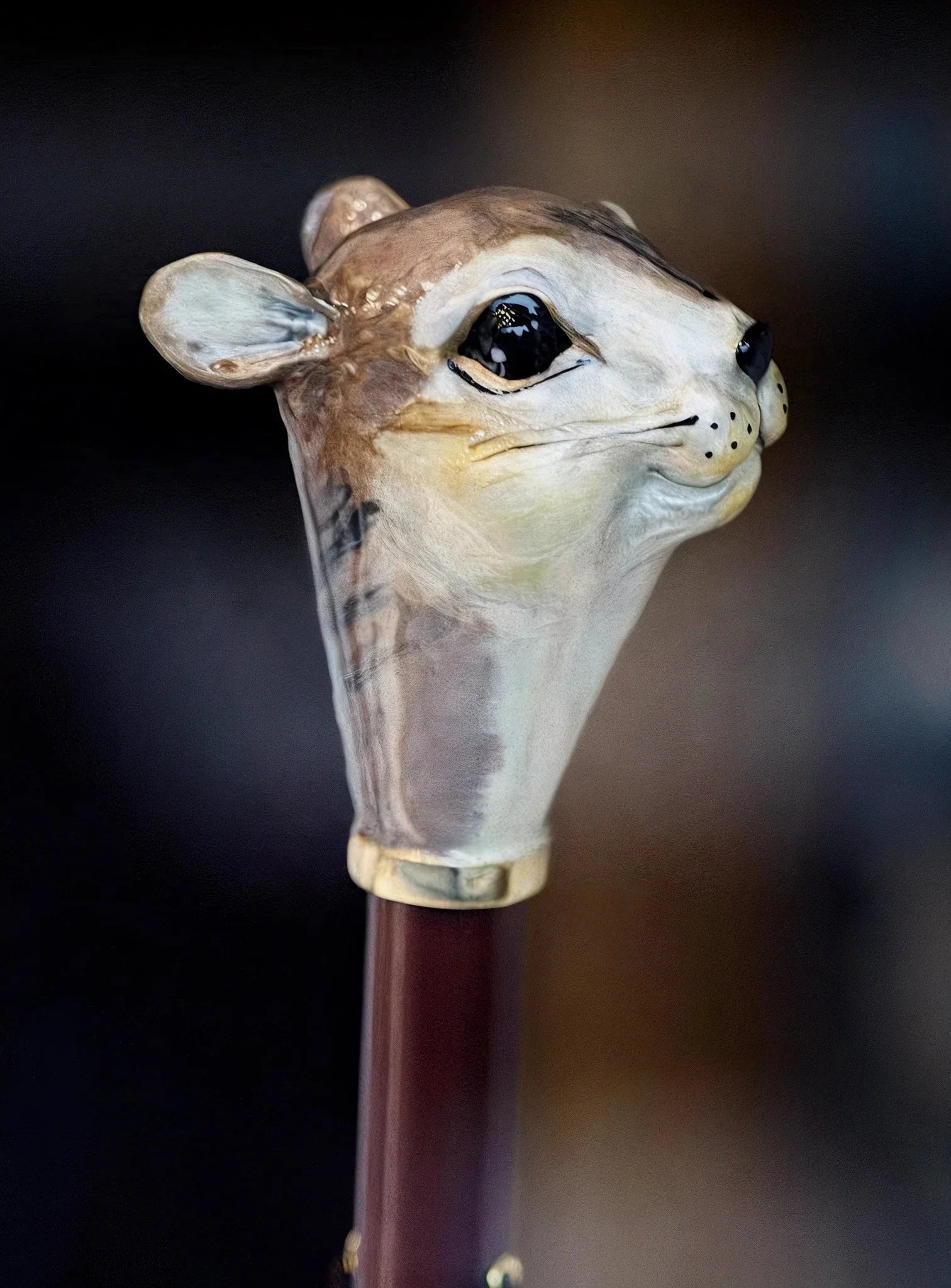
The Handle: Where Ergonomics Meets Identity
The handle is the umbrella’s signature element. It communicates the maker’s design philosophy.
Hand-shaped handles often feature:
-
Natural wood grain
-
Sculpted curves for grip comfort
-
Balanced weight distribution
-
Polished yet tactile surfaces
The ergonomic contour must feel intuitive in hand — stable, comfortable, and secure.
Material Selection Defines Quality
Artisan umbrellas often incorporate:
-
Solid hardwood handles
-
Full-grain leather straps
-
High-density woven canopy fabrics
-
Reinforced stitching
-
Durable metal components
Each material is chosen not only for performance, but for how it ages. Over time, these elements develop character rather than deterioration.

Proportion and Visual Balance
A well-designed umbrella feels harmonious when closed and open.
Design balance includes:
-
Shaft thickness relative to canopy width
-
Handle scale compared to overall length
-
Canopy diameter proportional to user height
-
Clean transitions between components
Visual imbalance may go unnoticed consciously, but it affects perceived quality.
Craftsmanship in the Details
Subtle details reveal mastery:
-
Seam alignment across canopy panels
-
Smooth, controlled opening mechanism
-
Secure ferrule finishing
-
Evenly cut canopy edges
-
Consistent stitching density
These micro-elements collectively define premium construction.
Functional Longevity vs Disposable Culture
A thoughtfully crafted umbrella:
-
Withstands repeated wind exposure
-
Maintains canopy tension
-
Resists rust and corrosion
-
Can be repaired if needed
-
Retains aesthetic integrity over time
Rather than replacing umbrellas annually, owners invest once and maintain quality.
The Emotional Dimension of Ownership
Artisan objects create connection.
Carrying a well-designed umbrella:
-
Signals attention to detail
-
Reflects appreciation for craftsmanship
-
Enhances professional presentation
-
Adds distinction in formal settings
Even in inclement weather, refinement remains intact.
Choosing an Artisan Umbrella
When selecting one, consider:
-
Frame strength and rib flexibility
-
Canopy material density
-
Handle craftsmanship and comfort
-
Balance when held
-
Smoothness of opening mechanism
If the umbrella feels stable, balanced, and solid — it likely reflects skilled design.

Why Design Skill Matters in Everyday Objects?
Design is most impressive when it improves daily life without drawing unnecessary attention. An artisan umbrella accomplishes this by merging beauty and performance seamlessly.
It protects without compromise.
It ages with character.
It expresses craftsmanship quietly.
Final Thoughts
An artisan umbrella is not about extravagance — it is about intention.
Through precise engineering, refined materials, and balanced aesthetics, it transforms a simple weather tool into a functional expression of design skill. In environments where presentation matters, even rain becomes an opportunity to demonstrate refinement.




Share:
Handle Shape Balances Visual Weight With Functional Comfort
Timeless Designs of Luxury Umbrellas Avoids Passing Fashion Trends