

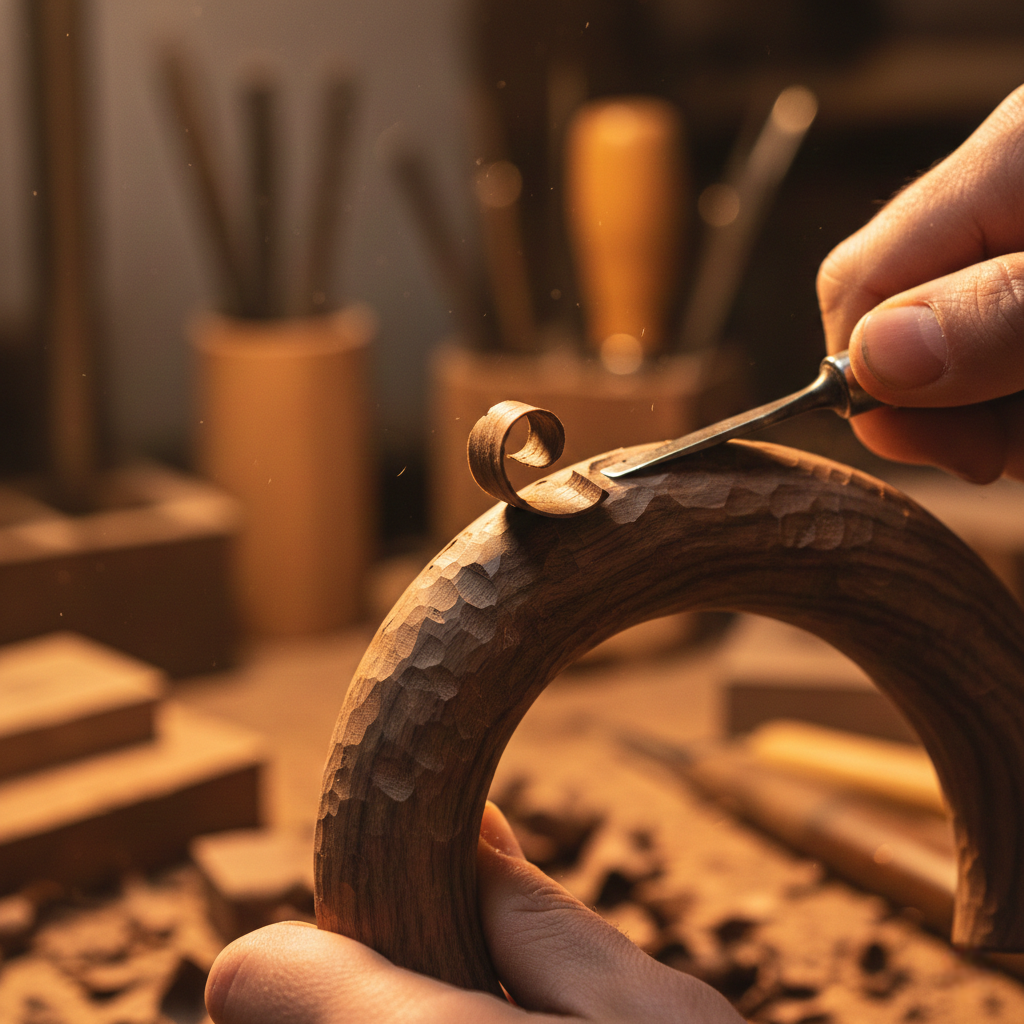
In a market driven by speed and scale, true luxury stands apart. Designer artisan umbrellas are not defined by production volume, automation, or seasonal turnover. They are defined by handcraft—by the deliberate, skilled work of artisans who prioritize precision, durability, and refined design over mass output.
When craftsmanship leads, quality follows.
Designer Artisan Umbrellas Are Defined By Handcraft, Not Volume
The Difference Between Production and Creation
Mass-produced umbrellas are engineered for efficiency. Artisan umbrellas are created for longevity.
The distinction lies in:
-
Manual shaping of handles
-
Hand-aligned canopy panels
-
Carefully calibrated rib tension
-
Detailed finishing and inspection
Each umbrella moves through skilled hands rather than automated lines. The result is individuality, structural integrity, and subtle character that cannot be replicated at scale.

Time as a Mark of Quality
Volume manufacturing reduces time per unit. Artisan production embraces time as part of the process.
Handcrafted umbrellas require:
-
Precise fabric cutting and alignment
-
Balanced stitching to ensure symmetry
-
Careful assembly of frame components
-
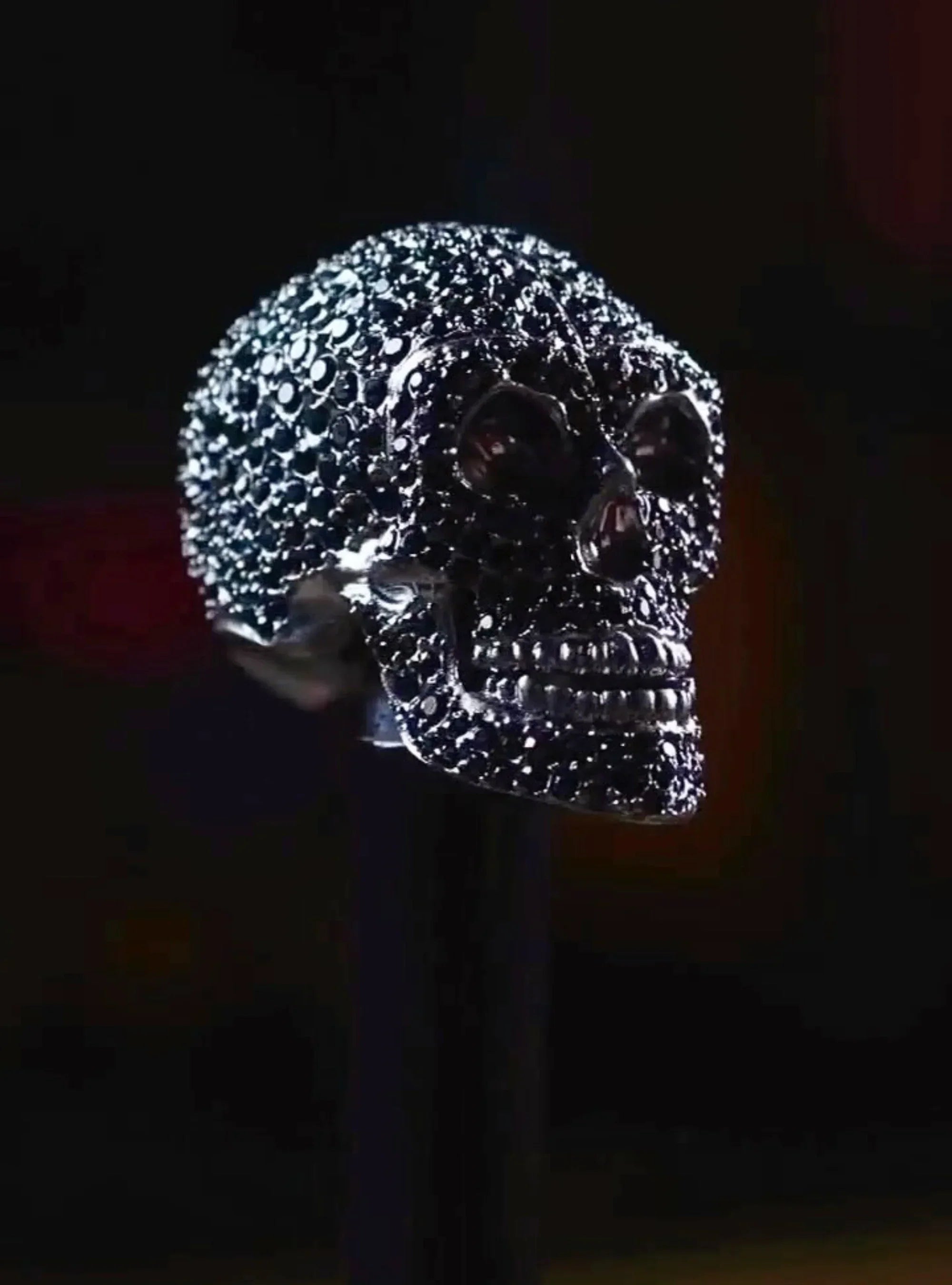
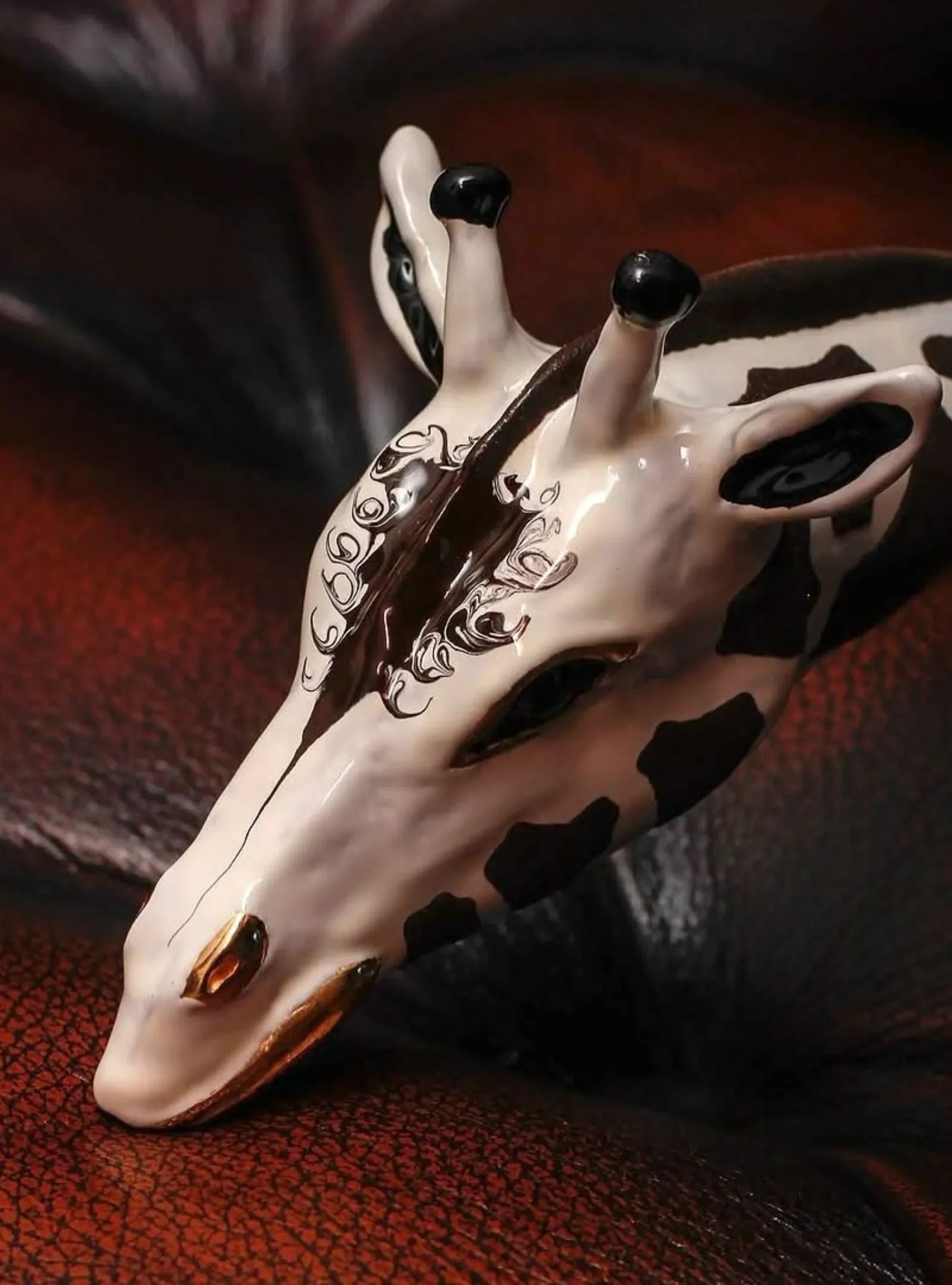
Manual finishing of wooden or sculpted handles
This slower pace allows for attention to detail that defines premium craftsmanship.

Structural Integrity Through Skilled Assembly
A handcrafted umbrella is built with intention. Every element must align:
-
The canopy must tension evenly across ribs
-
Seams must remain straight and reinforced
-
The shaft must balance weight and strength
-
The handle must feel ergonomic and refined
These details influence durability and performance, not just aesthetics.
Individual Character Over Uniform Output
In mass production, uniformity is the goal. In artisan craftsmanship, subtle individuality is part of the appeal.
Small variations in wood grain, stitching tension, or finishing depth reflect:
-
Human involvement
-
Natural material authenticity
-
Genuine handwork
Rather than imperfections, these nuances become markers of authenticity.

Limited Production, Elevated Value
When umbrellas are produced in smaller quantities, focus shifts from quantity to excellence.
Benefits of limited craftsmanship:
-
Higher quality control standards
-
Greater material selectivity
-
Longer product lifespan
-
Elevated perceived value
Customers investing in artisan umbrellas are not purchasing disposability—they are investing in durability and refinement.
Craftsmanship as Brand Identity
For premium accessories, brand strength often rests on philosophy rather than scale. A commitment to handcraft communicates:
-
Respect for tradition
-
Commitment to longevity
-
Refusal to compromise on materials or technique
This philosophy resonates with customers who value substance over mass availability.
Why Handcraft Matters in Today’s Market?
Modern consumers increasingly seek products that feel intentional. In a world of rapid manufacturing cycles, handcrafted items signal stability and permanence.
An artisan umbrella becomes:
-
A long-term accessory
-
A statement of discernment
-
A reflection of personal taste
It is not simply about staying dry—it is about carrying something made with care.

Final Perspective
Designer artisan umbrellas are defined not by how many are produced, but by how carefully each one is made. Handcraft introduces patience, precision, and personality into every component.
When volume is removed from the equation, craftsmanship becomes the defining feature. And in the luxury segment, craftsmanship is what truly endures.
Share:
Every Designer Umbrella Tells A Story Of Heritage, Craft, And Design
Luxury Umbrella for Men: How to Choose the Best One