

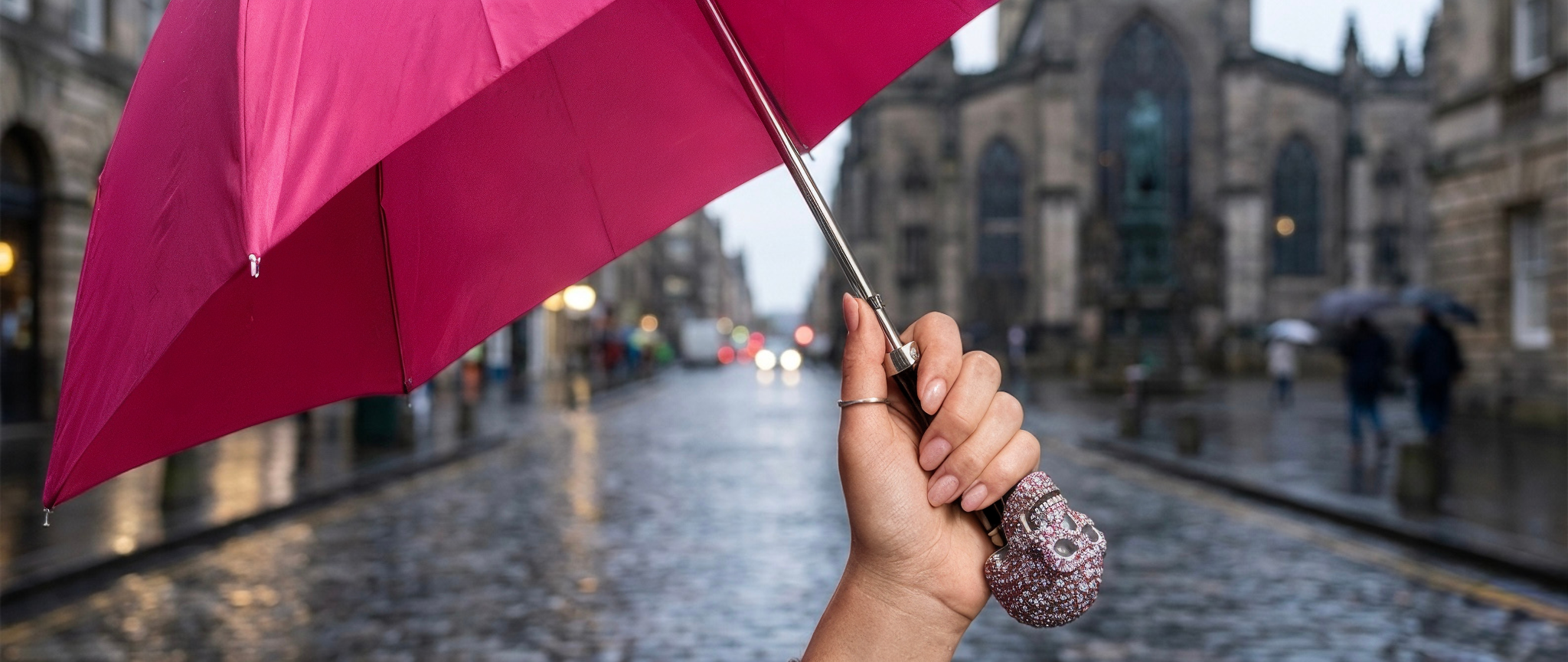
We have all been there. The sky darkens, the wind picks up, and halfway through your commute, a sudden gust turns your umbrella inside out. The metal ribs snap, the thin black nylon tears, and you are left wrestling with a sharp, useless contraption in the pouring rain.
Eventually, it gets tossed into the nearest trash can—joining the estimated 1 billion umbrellas that are thrown away globally every year.
For decades, we have been conditioned to treat umbrellas as disposable commodities. We buy a cheap one at the nearest pharmacy when it rains, fully expecting it to break, only to repeat the cycle a few months later. But this "throwaway" mindset is not just disastrous for the environment; it is a false economy that drains your wallet.
Here is the true price of a disposable umbrella, and the economic and environmental logic behind upgrading to a handmade, durable heirloom.

The Illusion of the Bargain: Let’s Do the Math
When comparing a $15 drugstore umbrella to a premium, handmade piece featuring unique prints and an exquisite handle, the upfront cost naturally causes hesitation. But the true metric of value is Cost Per Wear (CPW).
Let's look at the lifecycle of an umbrella over a 10-year period:
| Feature | The Disposable Umbrella | The Handmade Heirloom |
| Initial Cost | $15 | $150 - $250+ |
| Lifespan | ~6 Months (1-2 severe storms) | Decades (Generational use) |
| Purchases in 10 Years | 20 umbrellas | 1 umbrella |
| Total 10-Year Cost | $300 | $150 - $250 |
| Experience | Frustrating, unreliable, generic | Stylish, reliable, confidence-boosting |
Note: The math speaks for itself. By continuously buying cheap replacements, you are actually paying a premium for a lifetime of frustration.
The Environmental Toll of Fast Rainwear
The convenience of cheap umbrellas comes at a staggering environmental cost. A standard mass-produced umbrella is an ecological nightmare to dispose of. It is an un-recyclable amalgamation of mixed materials: cheap plastics, low-grade steel, and synthetic waterproof fabrics (often treated with toxic forever chemicals).
When an umbrella breaks, it cannot simply go into the recycling bin. The fabric must be separated from the frame, which almost no municipal recycling center is equipped to do. As a result, millions of broken umbrellas end up in landfills or polluting our oceans every single year.
Investing in a handmade umbrella built from durable, high-quality materials is a direct stance against fast-fashion waste. It is a commitment to sustainability through longevity.

What Makes a Handmade Umbrella Different? (The Anatomy of Durability)
Why does an artisanal umbrella survive a gale-force storm while a mass-produced one snaps in a breeze? It comes down to uncompromising craftsmanship.
-
The Canopy: Instead of thin, easily torn nylon, luxury umbrellas utilize high-density, tightly woven premium fabrics. These are tailored with exact tension across the frame, preventing the wind from easily catching and inverting the canopy. Plus, bespoke prints mean your umbrella is a work of art, not just a utility.
-
The Frame and Ribs: Cheap umbrellas use hollow, brittle metal. An heirloom piece uses reinforced, flexible materials like fiberglass or tempered steel that bend with the wind rather than breaking against it.
-
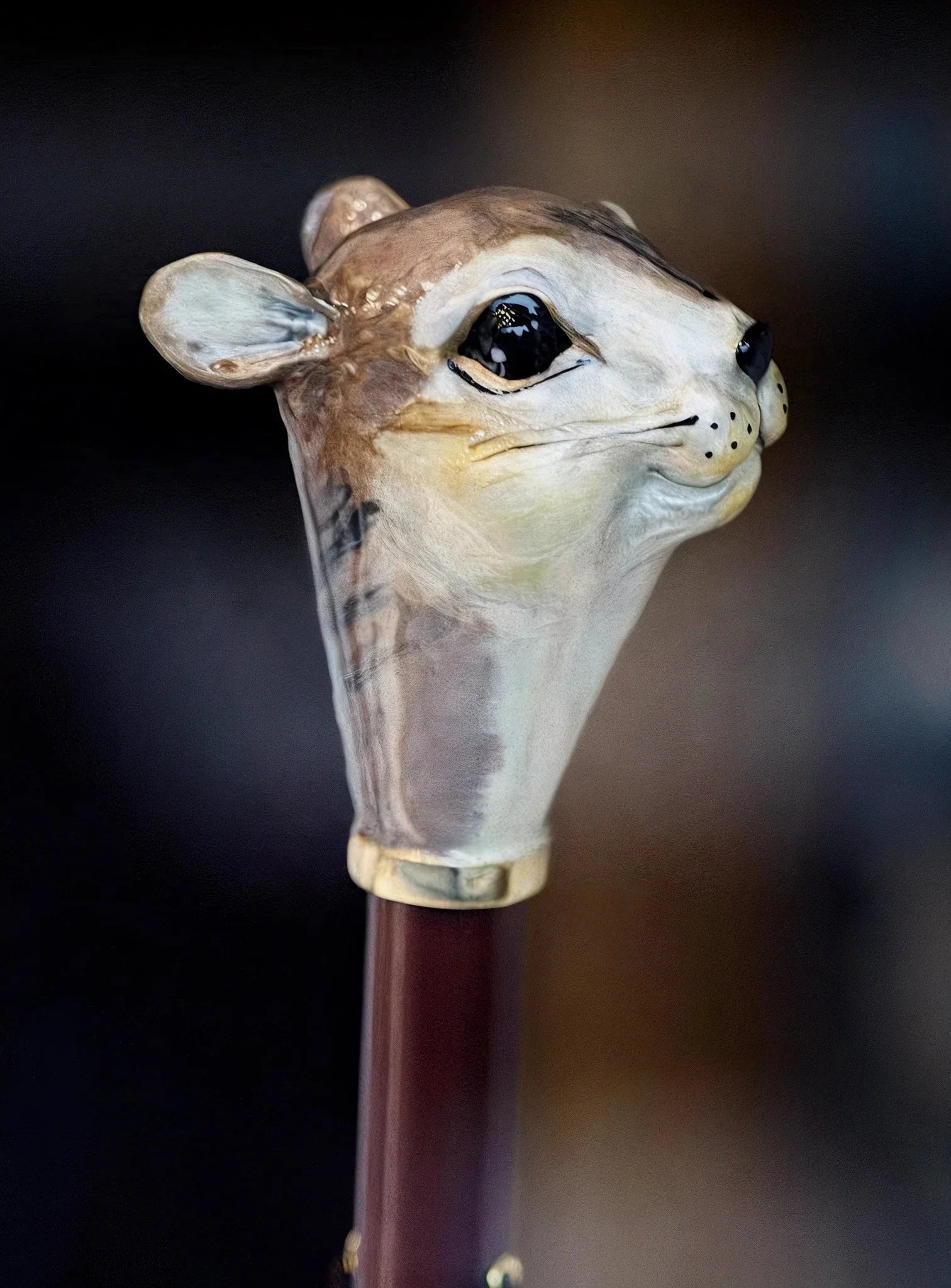
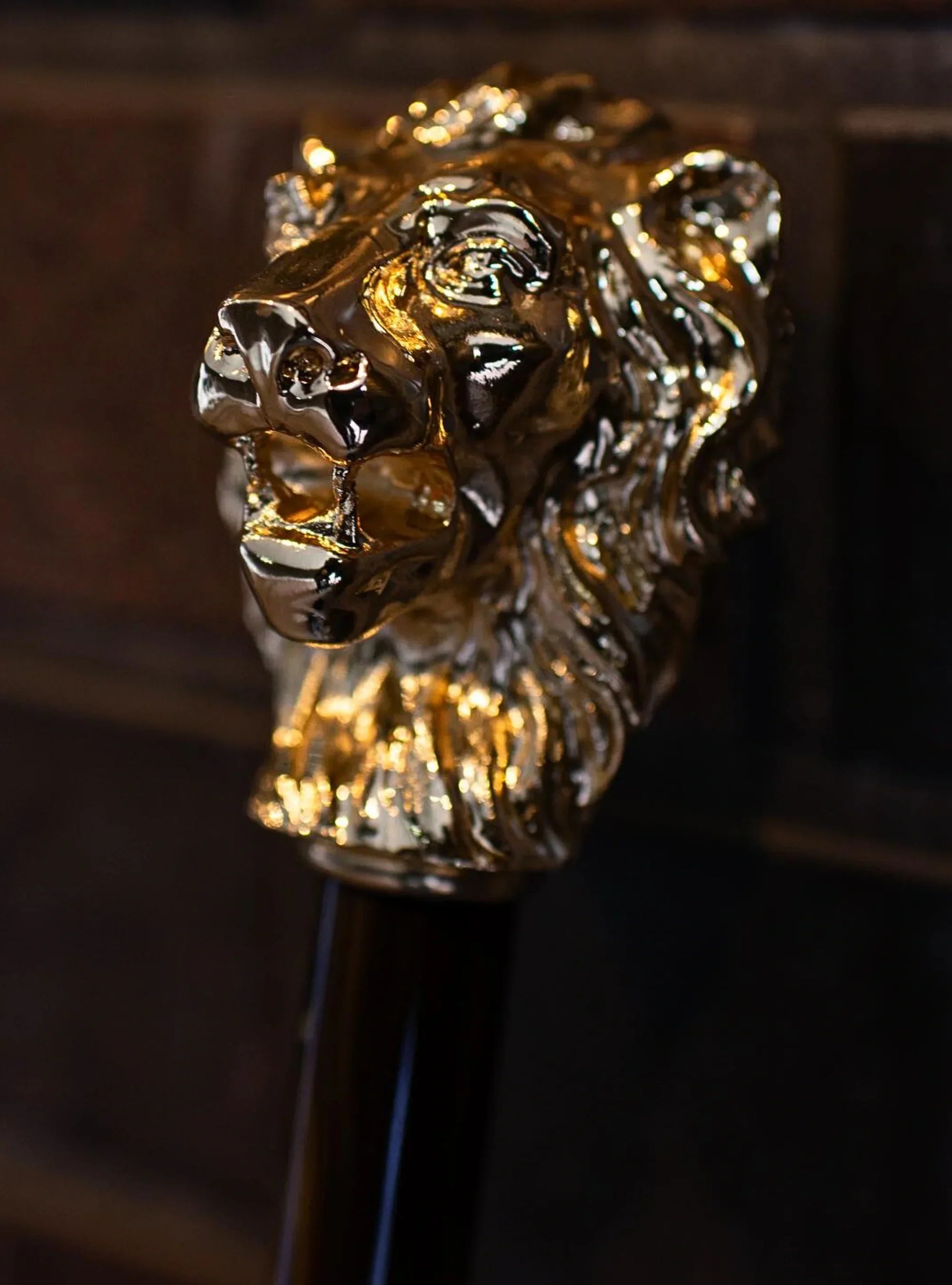
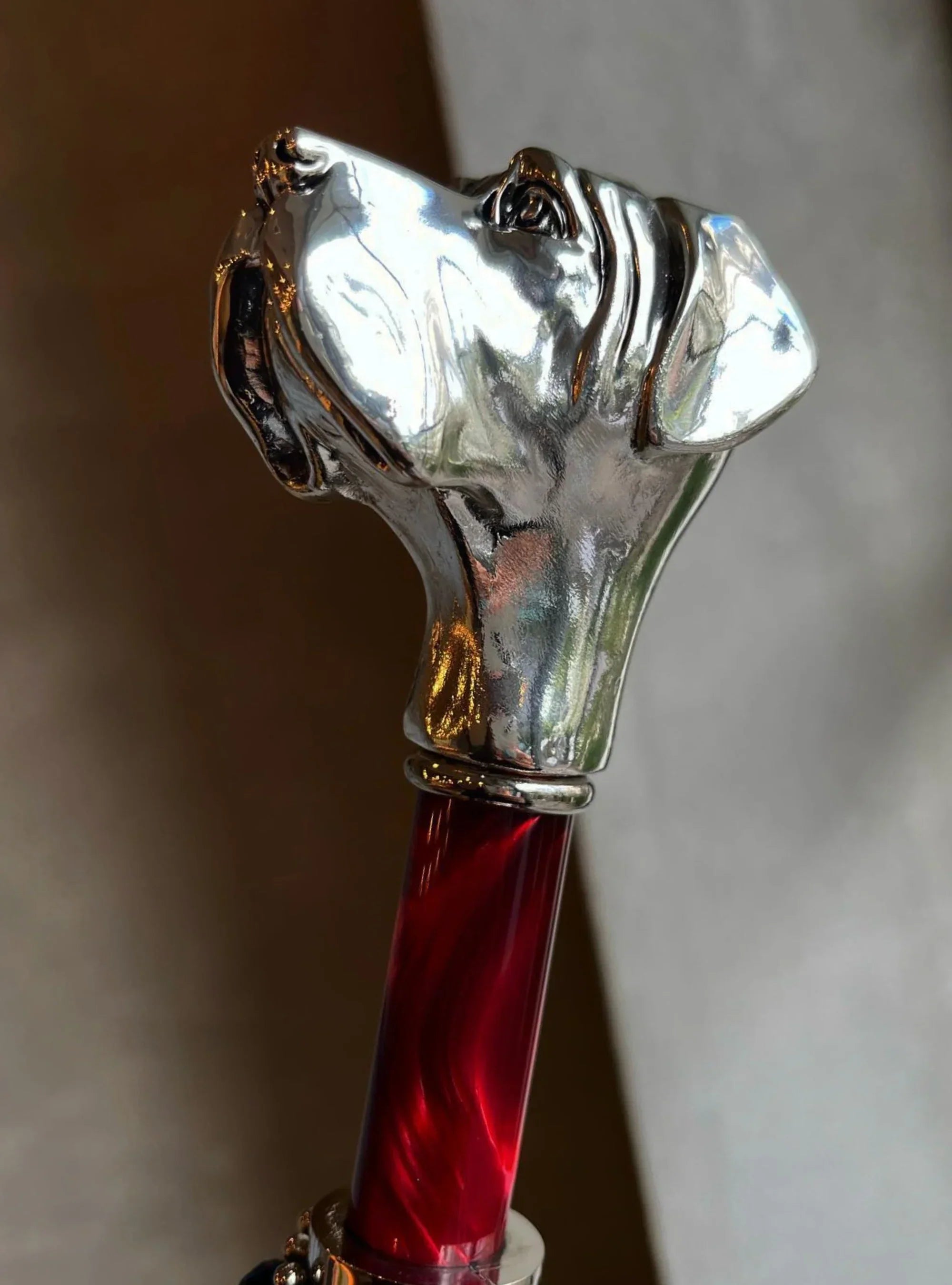
The Handle and Shaft: Mass-produced plastic handles crack and become sticky over time. A meticulously carved wooden or solid metal handle not only provides superior ergonomic comfort but also ages beautifully, developing a unique patina over the years.

Addressing the Elephant in the Room: "But I Always Lose My Umbrellas!"
The most common hesitation before buying a luxury umbrella is: "I can't spend that much, I leave my umbrellas in taxis and restaurants all the time."
Psychologists call this the Disposable Paradox. We lose cheap umbrellas precisely because they are cheap. When you know an item cost you $10 and is practically worthless, your brain doesn't bother tracking it. You leave it behind because, subconsciously, you don't care about it.
Think about your smartphone, your keys, or your favorite winter coat. You rarely leave those behind because they hold significant value.
When you invest in an exquisite umbrella—one with a handle you love holding and a unique fabric that complements your style—it ceases to be an afterthought. It becomes a beloved accessory. You will find yourself carefully folding it, admiring it, and ensuring you have it in hand before you leave the cafe. You don't lose things you love.
The Verdict: Invest Once, Carry Forever
An umbrella should not be a temporary shield against the weather; it should be an extension of your personal style and a reliable companion for life's stormy days.
By choosing a handmade heirloom, you are not just buying rain protection. You are making a financially sound investment, reducing your environmental footprint, and elevating your everyday wardrobe with an accessory of unmatched quality and beauty.
Stop renting cheap umbrellas from the pharmacy. It's time to own a masterpiece.
Share:
Smooth Opening Mechanisms Of Luxury Umbrellas Enhance Everyday Convenience
Artisan Umbrellas Reflect Generations Of Traditional Craft Techniques