

Updated August 2026.
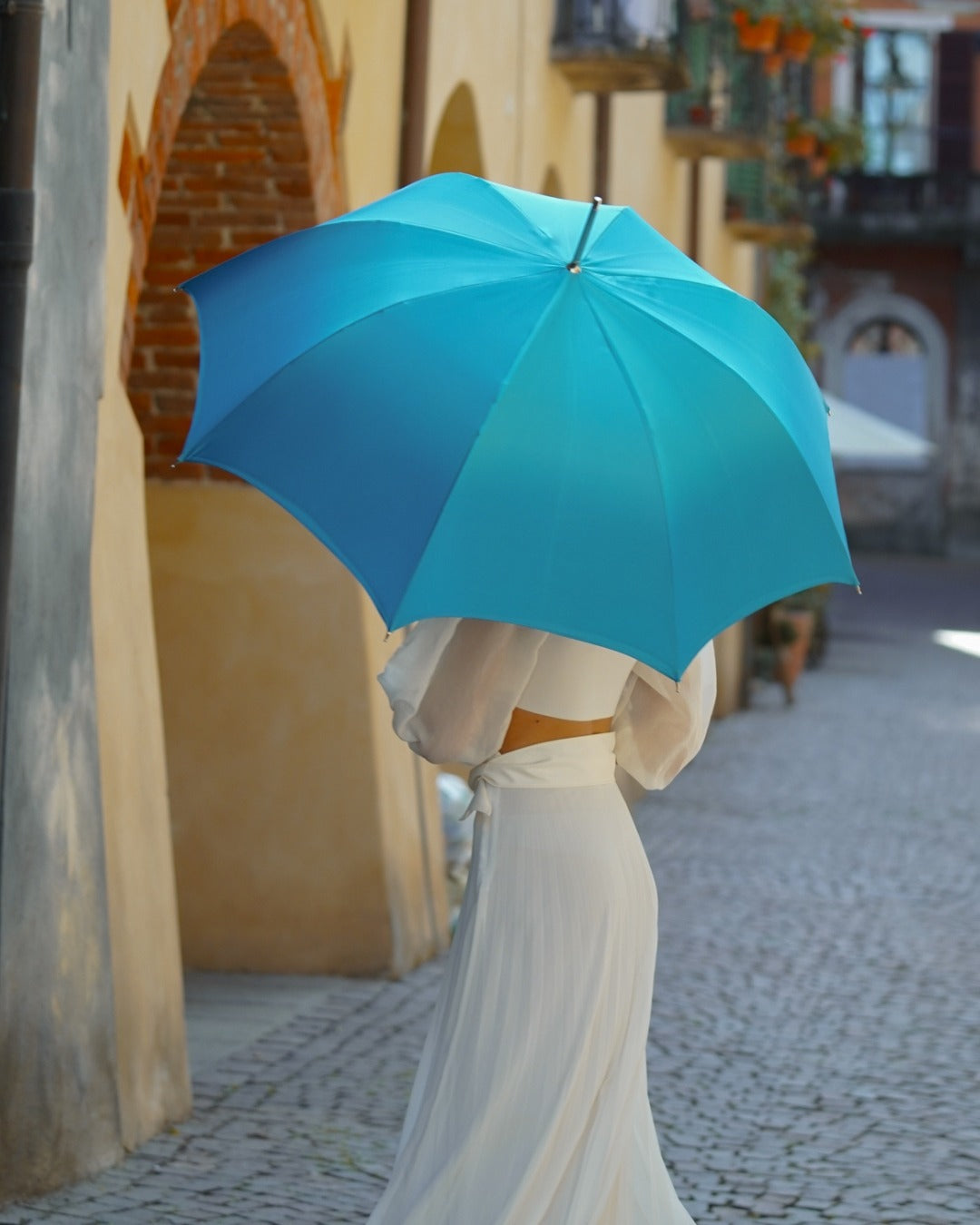
More ribs generally means a fuller canopy shape and steadier structure in wind, but the rib material — steel, fiberglass, or aluminum — matters just as much as the count. This is the engineering that decides whether an umbrella survives a genuinely windy day or turns inside out on the first gust.
Rib count
Most everyday umbrellas run eight ribs; finer and larger canopies often use ten or more for a rounder shape and more even tension across the fabric. More ribs also mean more potential failure points, so material quality matters at least as much as the number itself.
Rib material
- Steel — strong and rigid, standard on sturdier solid-stick umbrellas; adds weight compared to alternatives.
- Fiberglass — flexible enough to bend under gusts and spring back rather than snap, common on umbrellas engineered specifically for wind resistance.
- Aluminum — lightest option, favored on compact and travel umbrellas where packed weight matters more than maximum wind resistance.
What actually causes umbrellas to fail in wind
It's rarely the canopy fabric tearing — it's a rib bending past its return point or a joint at the hub giving way. A well-built frame is designed to flex and recover rather than resist rigidly and snap.
Quick answers
Do more ribs mean a better umbrella?
Generally, yes for shape and stability, but only if the rib material and joints are built to match — count alone isn't the full picture.
What should I do if my umbrella inverts in wind?
Let it invert rather than fighting it, then gently push it back into shape once the gust passes — forcing it against the wind is what actually breaks ribs.
Share:
Umbrella Canopy Fabrics Compared: Pongee vs Polyester vs Cotton
Sizing a Walking Cane Correctly (32–36 Inches)