


At first glance, all umbrellas may appear similar—but the difference between an artisan umbrella and a mass-produced one is profound. Beyond price and appearance, it’s a matter of craftsmanship, materials, durability, and experience. An artisan umbrella is not just weather protection; it is a refined accessory made with intention.
Here’s what truly sets artisan umbrellas apart.
What Makes an Artisan Umbrella Different from Mass-Made Ones?
1. Handcrafted Construction vs Assembly-Line Production
Artisan umbrellas are made with hands-on craftsmanship.
-
Individual attention at each stage of production
-
Manual fitting of ribs, shafts, and handles
-
Careful inspection before completion
Mass-made umbrellas are designed for speed and volume, often prioritizing cost over precision.

2. Superior Materials
Materials define quality.
Artisan umbrellas typically use:
-
Premium woods for shafts and handles
-
High-tensile steel or reinforced fiberglass frames
-
Dense, treated fabrics with water-repellent coatings
Mass-produced umbrellas often rely on lightweight plastics and lower-grade metals that compromise longevity.
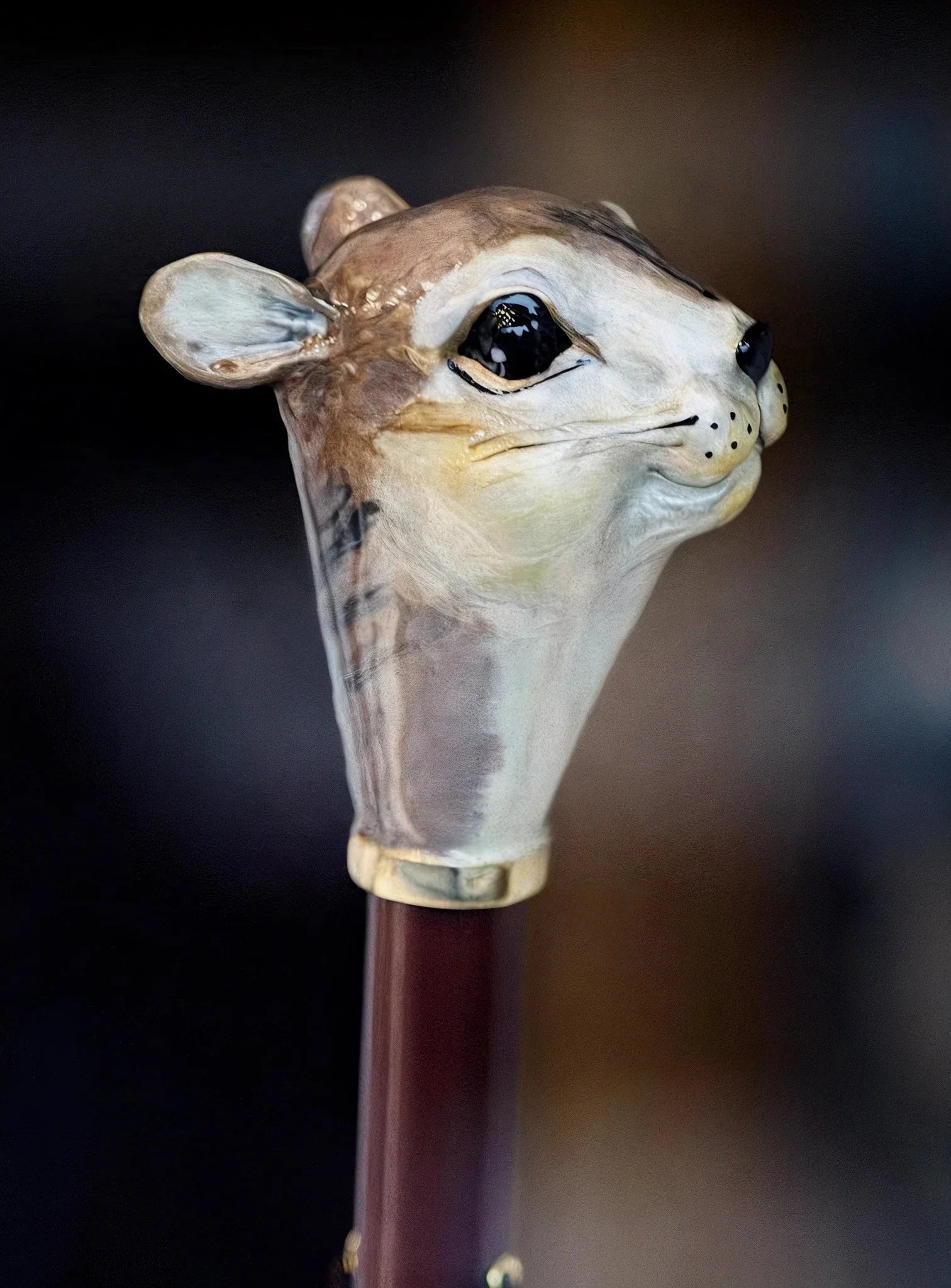
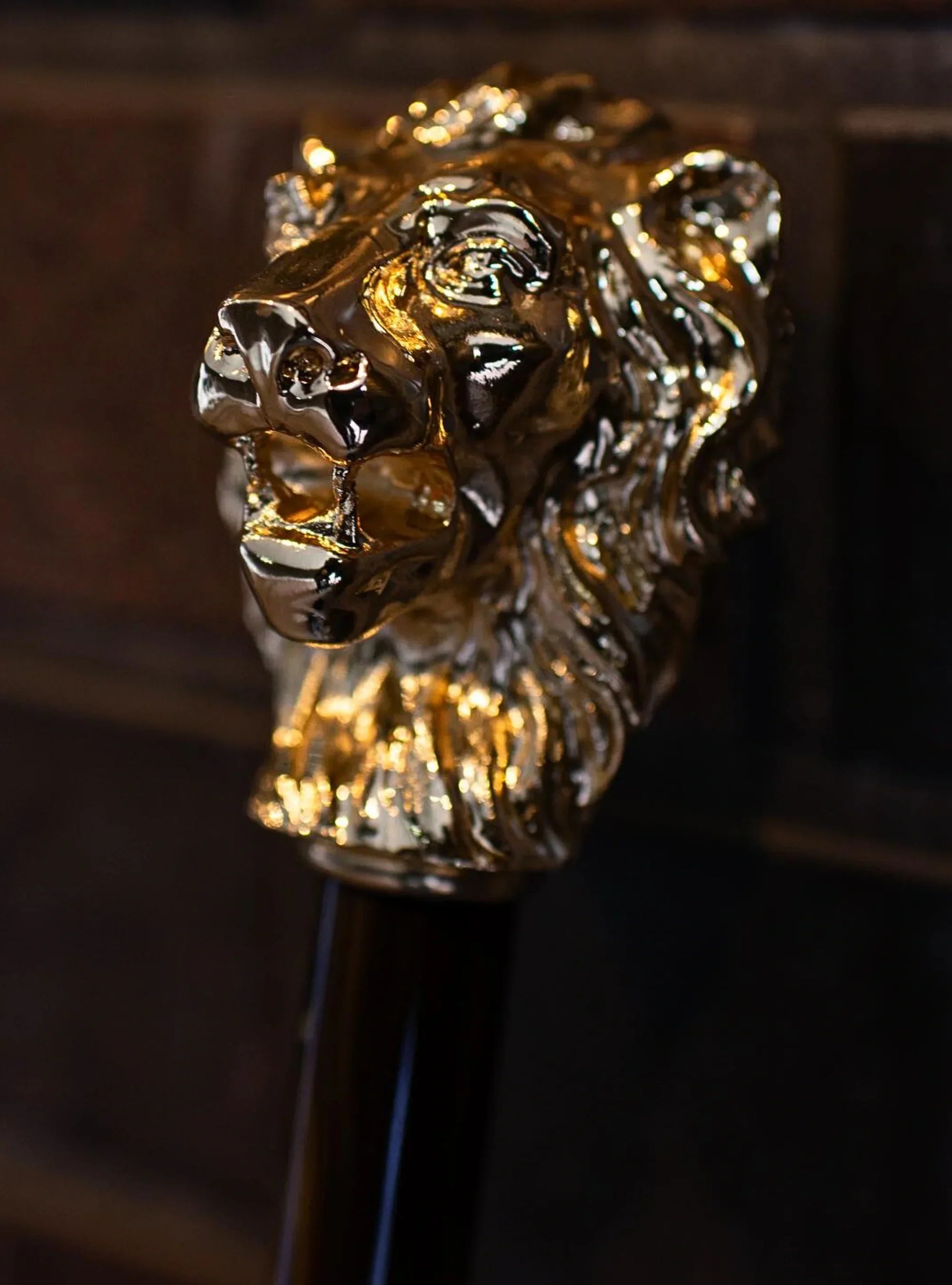
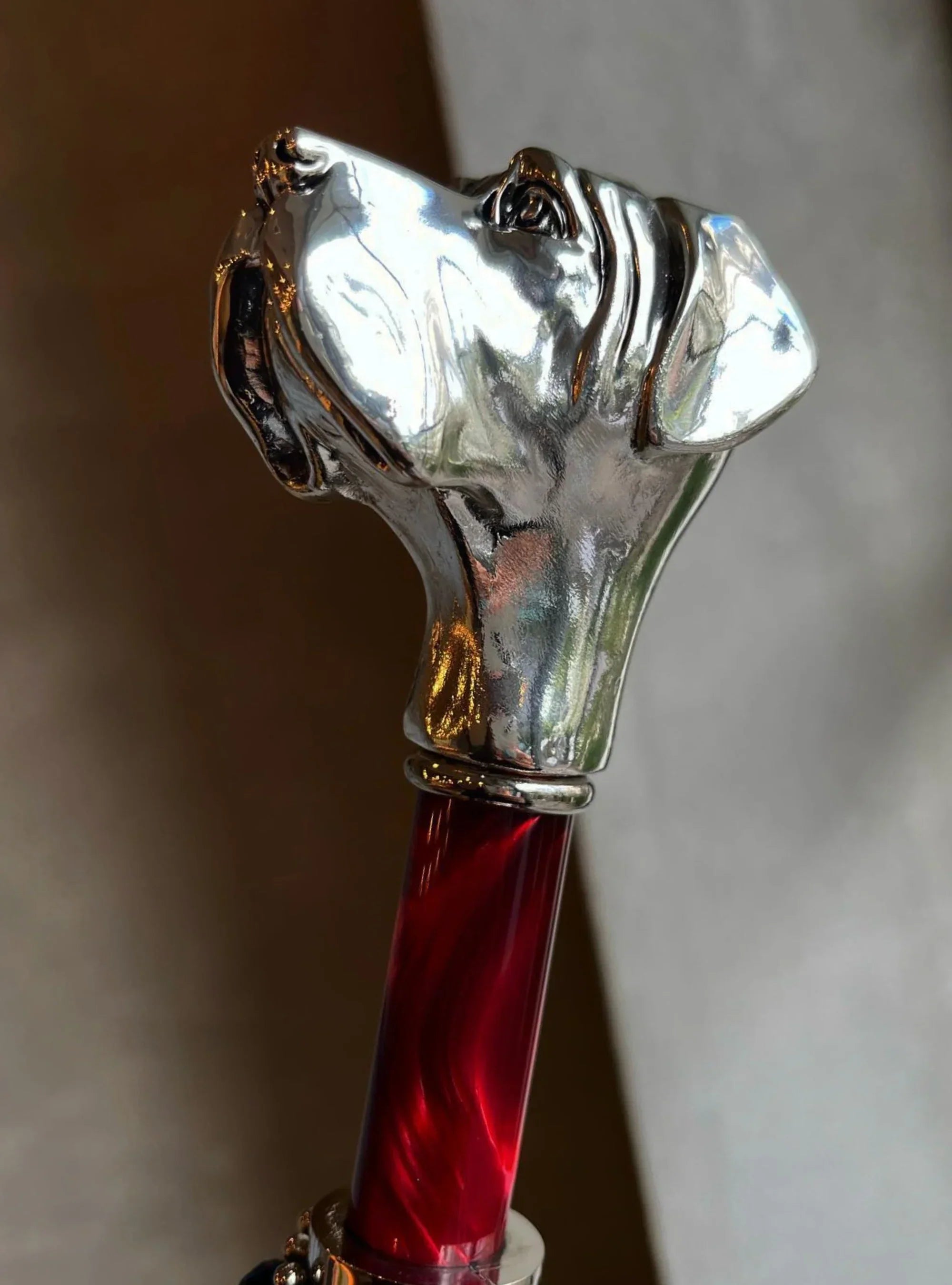
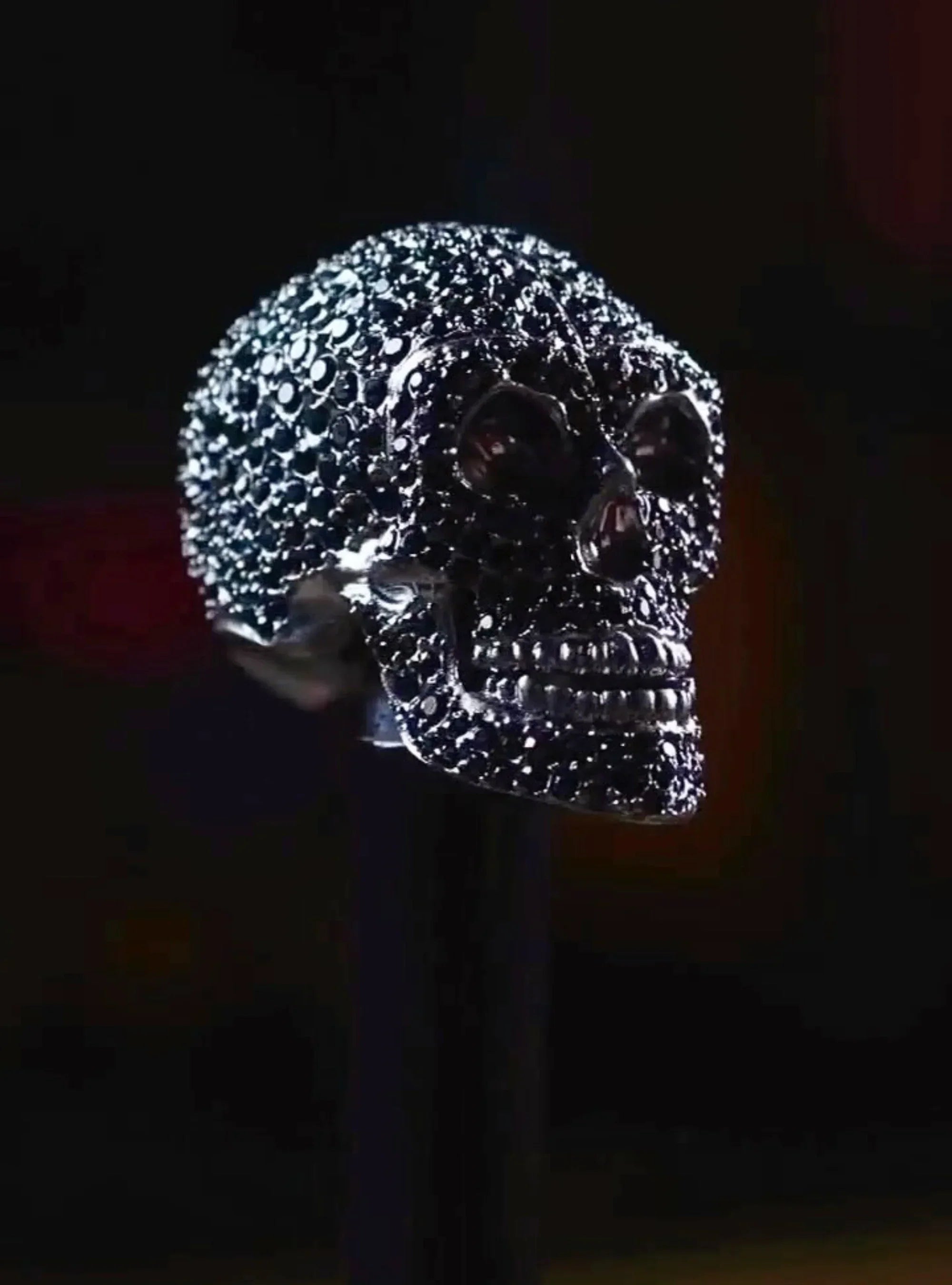
3. Thoughtful Handle Design
Handles on artisan umbrellas are carefully shaped for comfort and balance.
-
Hand-carved or individually finished
-
Ergonomic proportions
-
Natural textures that improve grip
By contrast, mass-made umbrellas use standardized handles with minimal attention to ergonomics.

4. Precision Frame Engineering
A quality frame ensures stability.
-
Balanced rib tension for wind resistance
-
Smooth open-and-close mechanisms
-
Reinforced joints to prevent breakage
Artisan umbrellas are engineered for durability, not disposability.

5. Fabric Quality and Canopy Finish
The canopy is where craftsmanship becomes visible.
-
Tightly woven fabrics resist tearing and sagging
-
Clean stitching with reinforced stress points
-
Rich, refined colors that resist fading
Mass-produced canopies often show uneven stitching and thin fabric that degrades quickly.
6. Longevity Over Convenience
Artisan umbrellas are designed to last years—even decades.
-
Repairable components
-
Replaceable parts
-
Timeless designs that don’t chase trends
Mass-made umbrellas are often treated as disposable, with limited repair options.
7. Aesthetic Integrity and Identity
Each artisan umbrella has character.
-
Subtle variations that reflect human craftsmanship
-
Cohesive design language
-
Elegant proportions and finishes
Rather than mass appeal, artisan umbrellas focus on individual refinement.

8. Ethical Production and Sustainability
Craftsmanship often goes hand in hand with responsibility.
-
Smaller workshops with fair labor practices
-
Reduced waste through careful production
-
Sustainable sourcing of materials
Mass production prioritizes scale, often at the cost of sustainability.
9. Emotional and Experiential Value
Using an artisan umbrella feels different.
-
A sense of weight, balance, and control
-
Appreciation for detail and material quality
-
Pride of ownership
It’s an accessory that reflects taste, patience, and discernment.
Final Thoughts
An artisan umbrella is defined by intention, not imitation. From hand-selected materials to meticulous construction, it offers a level of quality and character that mass-made umbrellas simply cannot replicate. For those who value durability, craftsmanship, and understated luxury, an artisan umbrella is a meaningful investment—one that transforms an everyday object into a refined personal statement.
Share:
How Umbrella Handle Design Affects Comfort and Control?
Tips for Using an Umbrella Comfortably Every Day