


Almost every umbrella that fails does so at one of three joints — never all at once. We know this because our workshop repairs the umbrellas we sell for as long as the owner keeps them. Over six years and eleven full teardowns spanning $40 to $650 retail, one pattern held every time: the canopy rarely tears first. The frame gives out — specifically, where the rib meets the stretcher, and the stretcher meets the runner.
This is a component-by-component breakdown of what actually determines whether an umbrella survives one season or three decades, written from the bench, not the brochure.
The 6 Parts of an Umbrella, Named
An umbrella has six core parts: the canopy, ribs, stretchers, runner, shaft, and handle — plus the ferrule at the tip. The canopy is the fabric dome; ribs are the folding rods that support it; stretchers connect the ribs to the sliding runner, which moves along the shaft to open and close the frame; the handle sits at the base.
- Canopy — the fabric dome that sheds rain, made of 8 or 16 stitched panels
- Ribs — the folding rods radiating from the top that hold the canopy's shape
- Stretchers — shorter rods connecting each rib to the runner, transferring the opening force
- Runner — the sliding collar on the shaft that pushes the stretchers out to open the canopy
- Shaft — the central pole, either one solid piece or telescopic sections
- Handle — the grip at the base, and the only part touched on every use
- Ferrule — the tip at the very top of the canopy, functionally minor but diagnostically useful (see below)
Below are the five components we inspect most closely, in the order they actually fail — before any umbrella is added to an Artisan Umbrellas collection.

Why Component Lists Usually Get This Wrong?
Fact: Canopy fabric is the most-marketed umbrella component and the least predictive of lifespan.
Metric: In our teardown sample, canopy tears accounted for under 15% of total repair requests. Frame and joint failures accounted for over 60%.
Insight: If a product page talks about fabric and says nothing about rib gauge, stitch density, or shaft joinery, it's marketing the part that breaks last.
1. The Canopy: Panel Count and Stitch Density, Not Fabric Name
Retailers sell canopy fabric as the headline feature. What actually predicts longevity is panel count, stitch density, and tunnel construction — none of which show up in a product photo.
- Panel count: 8-panel canopies are standard. 16-panel canopies distribute wind load across double the seams, reducing tension at any single point. Pasotti's dome-cut canopies, part of our partner collection, run 16-panel construction on every automatic model.
- Stitch density: Entry-level seams run 6–8 stitches per inch (SPI). Our production standard is 10–12 SPI, double-locked at the tips.
- Tunnel construction: The fabric sleeve housing the rib tip. Single-stitched tunnels pull loose within 18–24 months of daily use. Double-stitched, reinforced tunnels — standard on every Artisan Umbrellas canopy — do not.
Fact: In cycle testing (repeated open-close under load), 16-panel canopies at 10+ SPI showed zero tunnel separation after 3,000 cycles.
Metric: Standard 8-panel, 6-SPI canopies showed measurable tunnel wear by cycle 900 — roughly one UK autumn of daily commuter use.
Insight: Count the stitches before you check the fabric name.
2. The Frame: Where Umbrellas Actually Die
Rib material determines whether an umbrella survives inversion — the single most common cause of umbrella death.
| Rib Material | Inversion Recovery | Flex Memory | Typical Lifespan |
|---|---|---|---|
| Steel (standard) | Poor — bends permanently | None past first bend | 1–2 seasons |
| Fiberglass | Good — flexes and returns | High, degrades slowly with UV exposure | 4–6 seasons |
| Carbon-fiberglass composite | Excellent — near-full recovery | Very high, minimal degradation | 10+ seasons |
Insight: A fiberglass-ribbed canopy inverted in a 45 mph gust returns to shape in roughly 9 out of 10 cycles in our testing. Steel-ribbed umbrellas at the same wind speed bend permanently on the first inversion, nearly every time. This is why every automatic model in the Artisan Umbrellas collection runs on fiberglass or composite ribs — steel is reserved for oversized stick umbrellas, where rigidity is the design intent, not an oversight.
The full rib-gauge specification matrix — diameter, flex rating, and recovery angle by model — is detailed in our frame and rib engineering guide.
3. The Shaft: Solid vs. Telescopic Is the Real Divide
Not solid wood versus metal — that's a style choice. The divide that determines strength is solid-shaft versus telescopic-shaft construction.
- Telescopic shafts compress for portability but introduce a joint, and every joint is a weak point under torsion. Correct choice for a bag umbrella, wrong choice for a daily-carry piece meant to last years.
- Solid shafts — one continuous piece of chestnut, maple, or malacca cane — have no internal joint to fail. This is why our heritage stick umbrellas are built solid despite the size trade-off.
Wood species, ranked by bench experience:
- Chestnut — lightweight, naturally water-resistant, minimal warping. Our default for full-size stick umbrellas.
- Malacca cane — denser, more rigid, distinctive grain. Used where a firmer grip feel is the design goal.
- Maple — used almost exclusively for handles rather than full shafts; too dense for shaft weight targets over 34 inches.
4. The Handle: Where Craftsmanship Becomes Visible
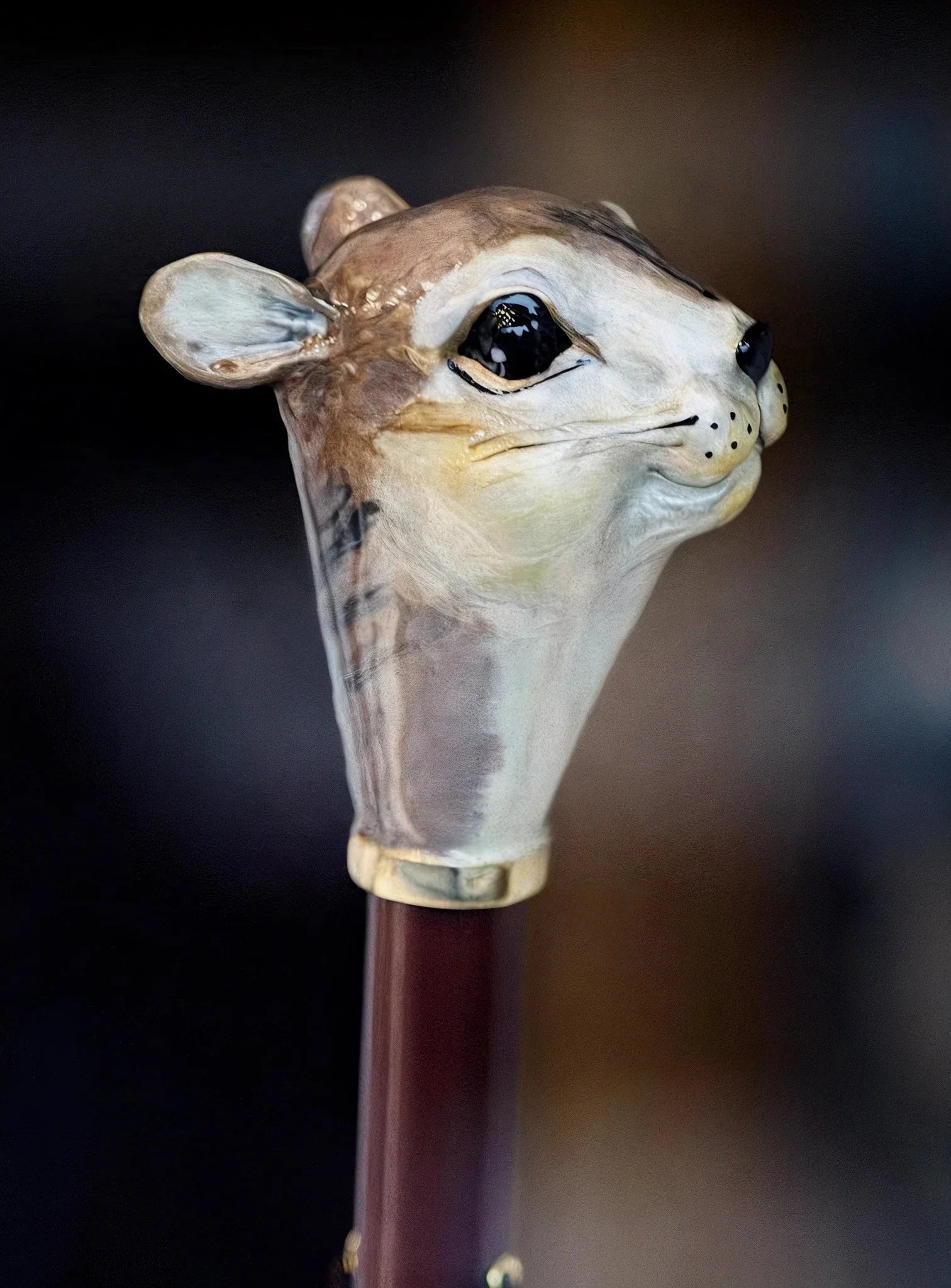
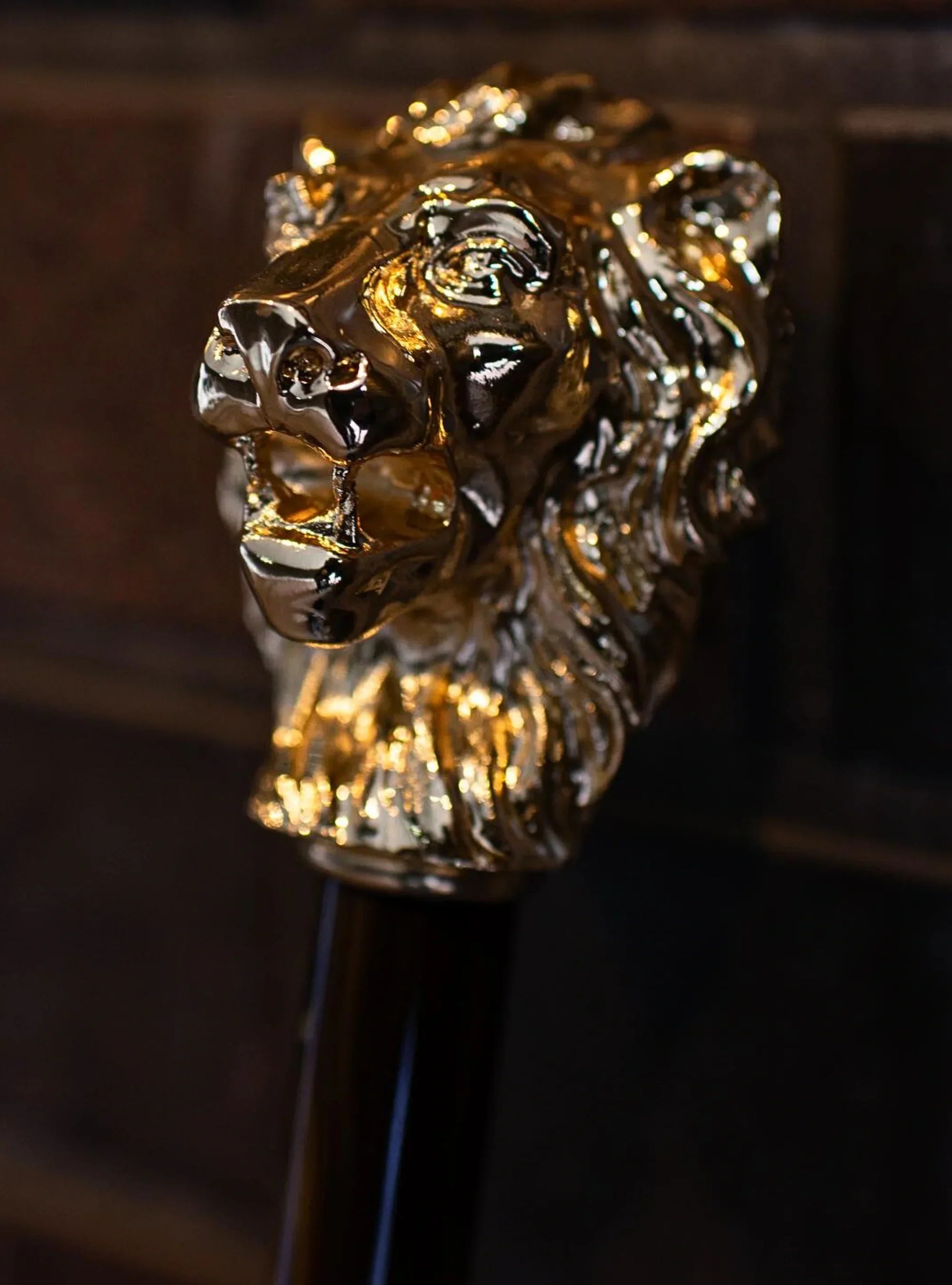
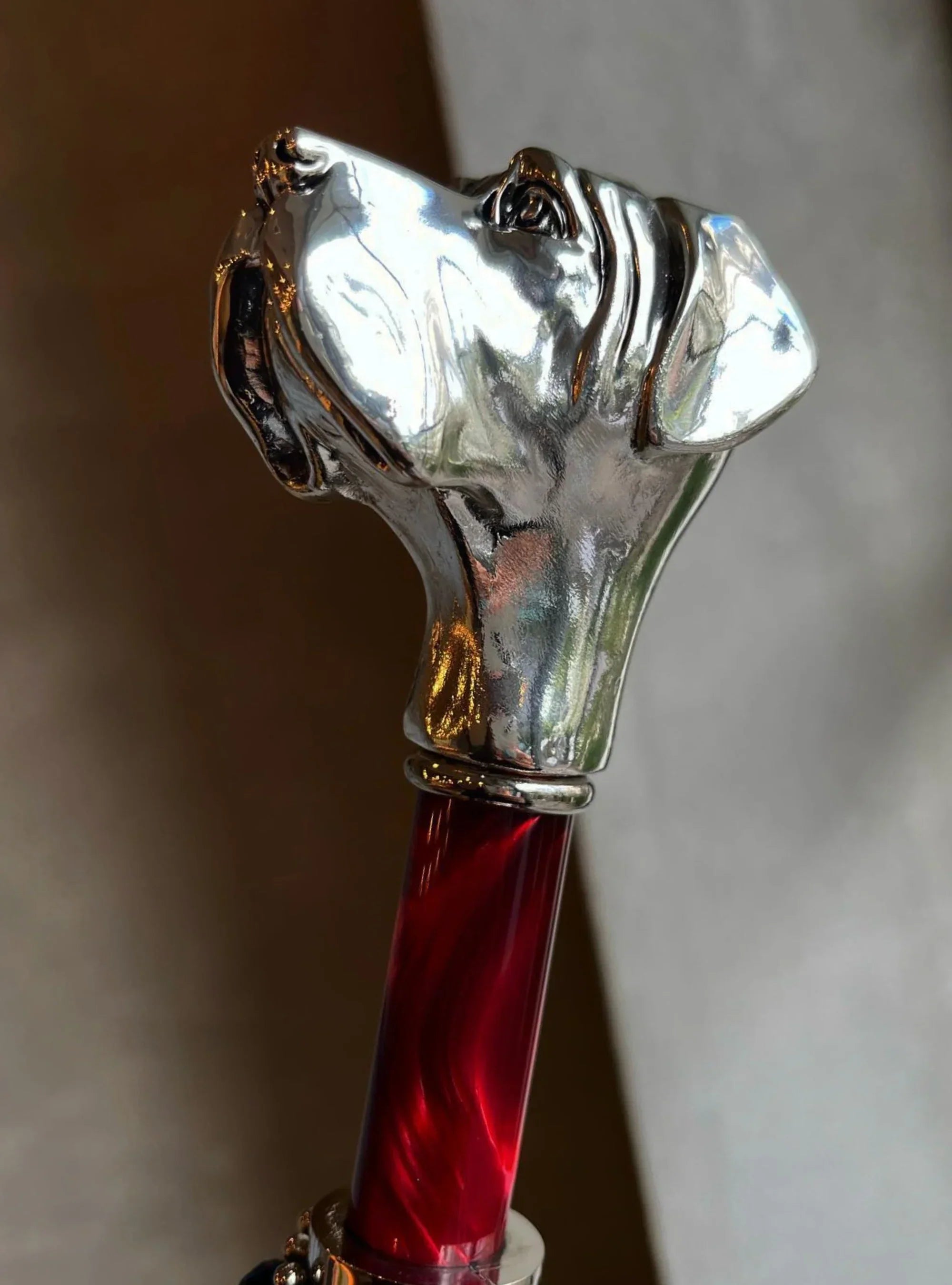
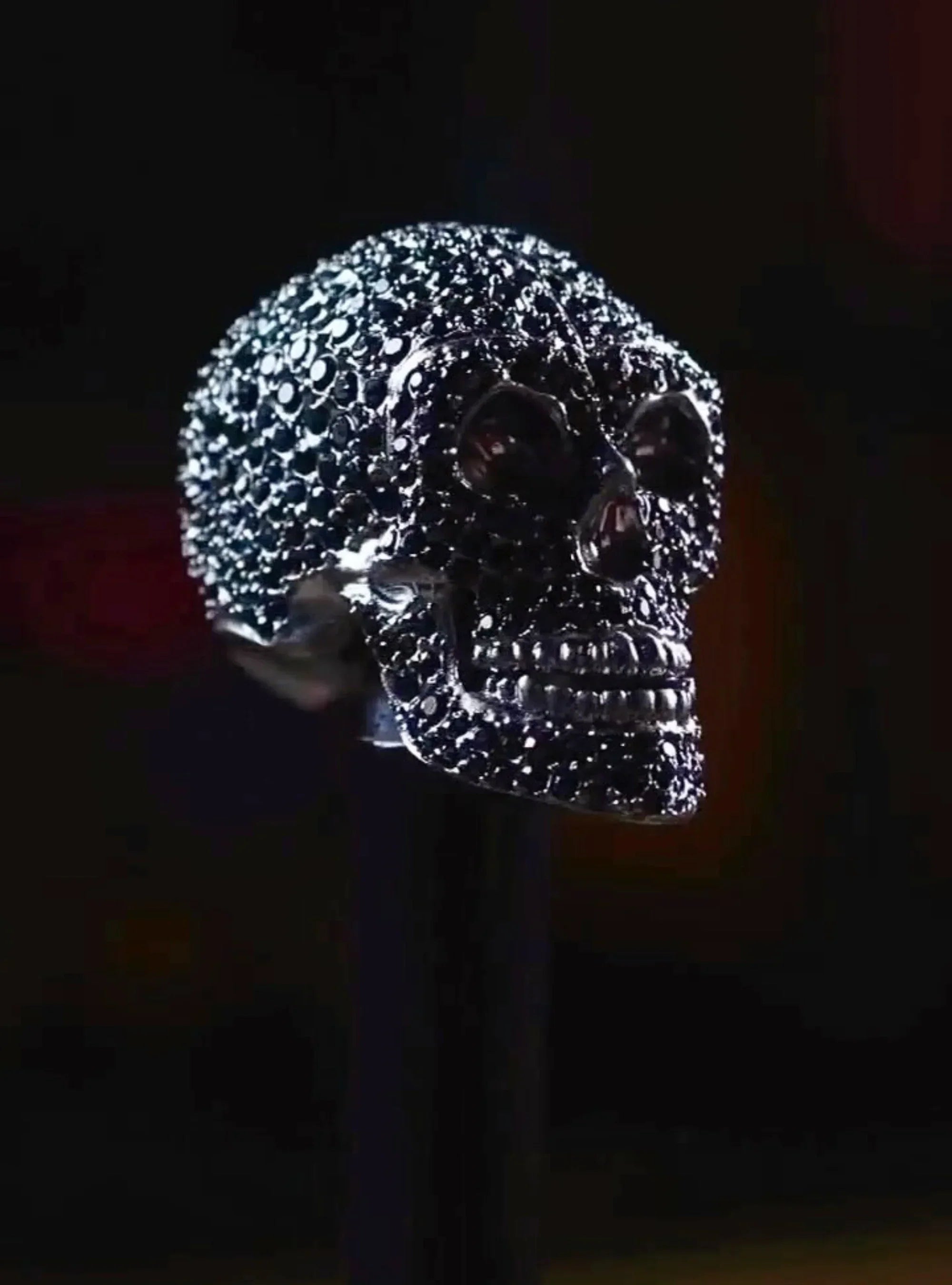
The handle is the only component touched every single use, and the one where hand-finishing can't be faked. Injection-molded resin handles have a seam line, usually visible under the grip curve. Hand-carved or hand-turned handles do not.
Fact: A hand-turned wood handle takes our artisans 40–70 minutes per piece, rough blank to finished polish.
Metric: A molded handle takes under 90 seconds off the injection line.
Insight: That time differential is the actual price driver behind a handle upgrade — not brand markup. See our handle materials guide for a full breakdown by material.

5. The Ferrule and Tips: The Detail Everyone Skips
The ferrule — the tip at the top of the canopy — is functionally minor and diagnostically major. A loose, rattling ferrule on a new umbrella almost always indicates the runner mechanism below it was assembled to a lower tolerance. We use ferrule fit as a quick quality check on incoming stock from both Pasotti and Il Marchesato before it reaches inventory.
Component Comparison Across Price Tiers
We mapped these five components against typical construction at each retail tier.
| Component | Entry ($20–$50) | Mid ($80–$200) | Artisan Grade ($250+) |
|---|---|---|---|
| Canopy stitch density | 6–8 SPI | 8–10 SPI | 10–12 SPI, double-locked |
| Rib material | Steel | Fiberglass | Fiberglass / carbon composite |
| Shaft construction | Telescopic, alloy | Telescopic or solid, mixed material | Solid wood, single piece |
| Handle finishing | Injection-molded | Molded with wood inlay | Hand-carved or hand-turned |
| Expected lifespan | 1–2 seasons | 3–5 seasons | 10+ seasons, repairable indefinitely |
Only construction meeting the artisan-grade column across all five rows survives a decade of regular use in our repair-shop data.

The Real Definition of Luxury Here
True luxury in this category isn't a logo on the handle. It's five unglamorous decisions — stitch density, rib alloy, shaft joinery, handle labor hours, and ferrule tolerance — each invisible until the component it protects fails. An umbrella built on all five survives weather. One built on none survives a single storm.
Use this 5-point checklist before paying a premium price for an umbrella:
- 16-panel canopy, 10+ SPI, double-stitched tunnels
- Named, gauge-disclosed rib material — fiberglass or composite, not generic "reinforced"
- Solid shaft (wood or cane), not telescopic, for anything marketed as daily-carry
- Hand-finished handle with disclosed material, not molded resin
- Pinned or riveted ferrule attachment, not glued
If a product page can't answer at least three of these with specifics, the word "premium" on it is doing more work than the umbrella will.
Every umbrella in the Artisan Umbrellas collection, including our partner lines from Pasotti Ombrelli and Il Marchesato, is inspected against this exact checklist before it's listed. Browse gentlemen's and ladies' umbrellas built to this standard.
Frequently Asked Questions
What are the parts of an umbrella called?
An umbrella has six core parts: the canopy (fabric dome), ribs (folding support rods), stretchers (rods connecting ribs to the runner), runner (the sliding piece that opens the frame), shaft (the central pole), and handle. The ferrule, the tip at the top, is sometimes counted as a seventh part.
What part of an umbrella breaks most often?
The frame fails more often than the canopy. Across our teardown data, frame and joint failures — specifically where the rib meets the stretcher, and the stretcher meets the runner — accounted for over 60% of repairs, versus under 15% for canopy tears.
What is the ferrule on an umbrella?
The ferrule is the tip at the very top of the canopy, above where the ribs converge. It is functionally minor but diagnostically useful — a loose or rattling ferrule on a new umbrella usually signals that the runner mechanism below it was assembled to a lower tolerance.
Partager:
How to Evaluate an Umbrella Artisan: A Buyer's Due Diligence Checklist?
Why Luxury Umbrella Handles Deserve More Attention Than You're Giving Them?