

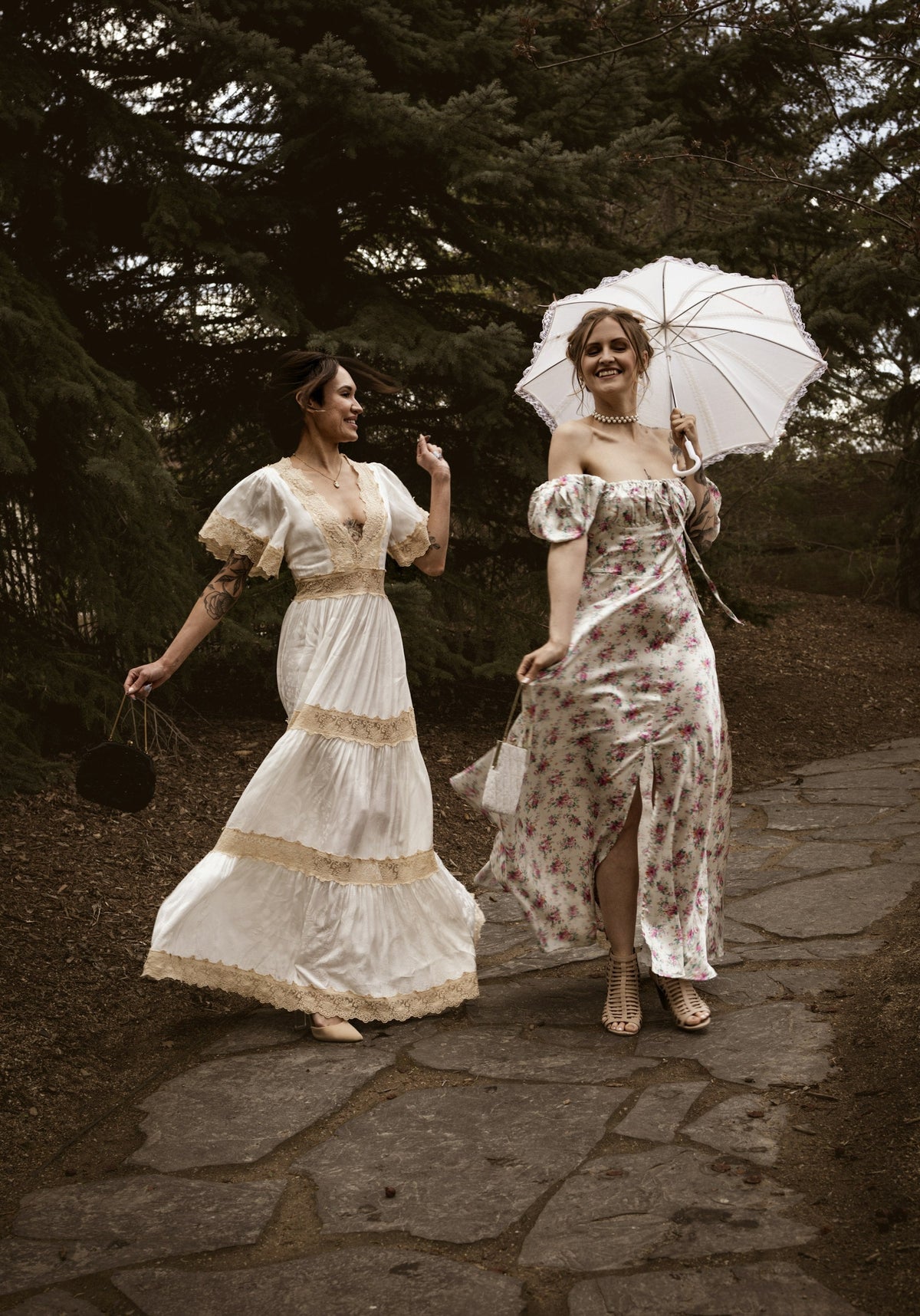
Last updated: September 2026
An umbrella is one of the few accessories that behaves in public. It opens, it closes, it drips, it gets handed to a stranger under an awning during a downpour — and at every one of those moments, it quietly reveals whether the person holding it was raised with any manners at all. Nowhere is this truer than in the specific, small rituals that surround it: whether you open it indoors, how you carry it past someone on a narrow pavement, whether you offer to share it, and what it means, in some cultures, to give one as a gift.
None of this is written down in any single etiquette manual. It survives instead as folklore, half-remembered superstition, and household habit — passed the way most good manners are, by someone's grandmother correcting someone's grandchild. Here is where the rules actually came from, and which ones are still worth keeping.
Why You Never Open an Umbrella Indoors
The superstition is nearly universal across Britain, North America, and much of Western Europe: open an umbrella inside the house and you invite bad luck under the same roof. The folklore explanation varies by household — some say it insults the sun god who no longer needs to be sheltered from, others simply call it disrespectful to open a tool meant for the outdoors while indoors — but the practical origin is almost certainly Victorian, and almost certainly mechanical.
The steel-ribbed umbrella, mass-produced from the mid-1800s onward, opened with a spring-loaded mechanism that had a habit of snapping suddenly and with real force. In the cramped, over-furnished parlours of the period, a badly timed opening could knock over a lamp, startle a household, or injure a bystander. The superstition did the job manners often do: it turned a genuine physical hazard into a rule simple enough for a child to remember and follow without needing the engineering explanation.
The rule has outlived the danger. A modern folding umbrella with a controlled telescoping action is unlikely to hurt anyone. The etiquette persists anyway, which is really the definition of a good superstition — it keeps being useful long after anyone remembers why.
The Japanese Relationship With Rain Gear
Few cultures treat rain protection with as much quiet formality as Japan, where the traditional oil-paper wagasa is still used at tea ceremonies, weddings, and in the geisha districts of Kyoto, and where the everyday transparent vinyl umbrella (biniigasa) has its own set of unwritten rules. Umbrella stands sit outside nearly every shop entrance, and walking indoors with a dripping umbrella in hand — rather than leaving it, sleeved and secured, at the door — reads as a minor social failure.
There is also a long-standing courtesy around passing another pedestrian on a narrow street: the custom of tilting one's umbrella slightly away from an oncoming person, called kasa-katage, so that neither canopy collides nor drips on the other person's shoulder. It is a small gesture, done almost unconsciously, and it says something about a culture that has spent centuries thinking carefully about shared, narrow space.
Is It Rude to Share an Umbrella?
In most Western contexts, offering to share an umbrella with someone caught in the rain is read as generosity, not intrusion — a small, low-stakes kindness between strangers waiting at the same crosswalk. The etiquette risk runs the other way: it is considered poor form to accept the offer and then fail to hold your share of the canopy, leaving your host to absorb the runoff meant for both of you.
The calculus changes with formality and with distance. Sharing a large gentleman's umbrella with a colleague on the walk to a meeting is unremarkable; sharing one for an extended walk with someone you do not know well can read as presumptuous in more reserved cultures, Britain among them, where personal space is guarded even under matching disadvantage.
Giving an Umbrella as a Gift
An umbrella is, on paper, a thoughtful and practical gift — which is exactly why the etiquette around giving one is more layered than it first appears. In several East Asian traditions, gifting an umbrella to a couple or a close friend is considered inauspicious, because the word for "umbrella" in Mandarin (sǎn, 傘) is a near-homophone for the word meaning "to scatter" or "to part ways" (sàn, 散) — an unfortunate association for a gift meant to symbolize care, not separation. The superstition is taken seriously enough that many gift guides in Chinese-speaking markets flag umbrellas as an item to avoid for weddings and housewarmings specifically.
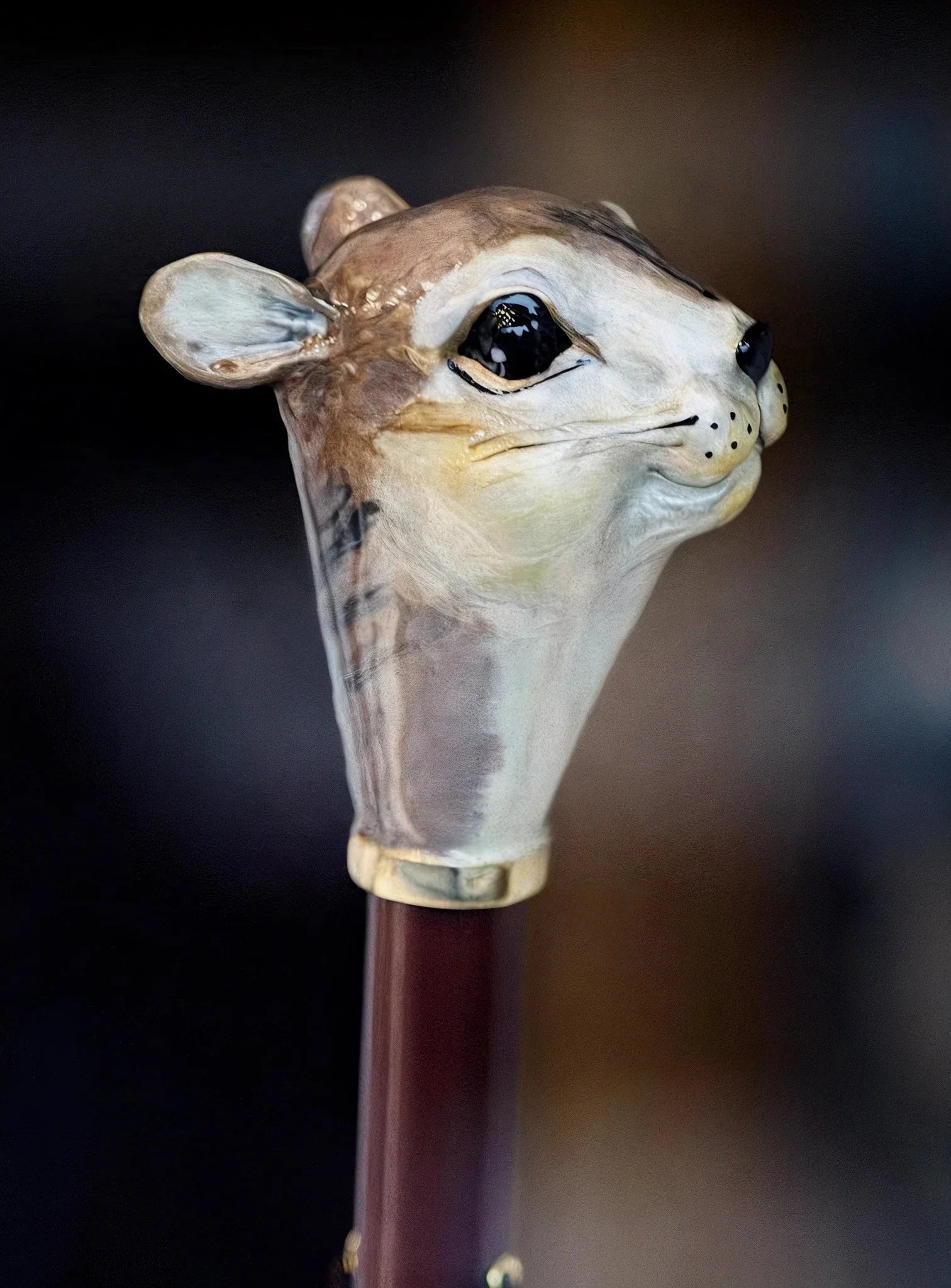
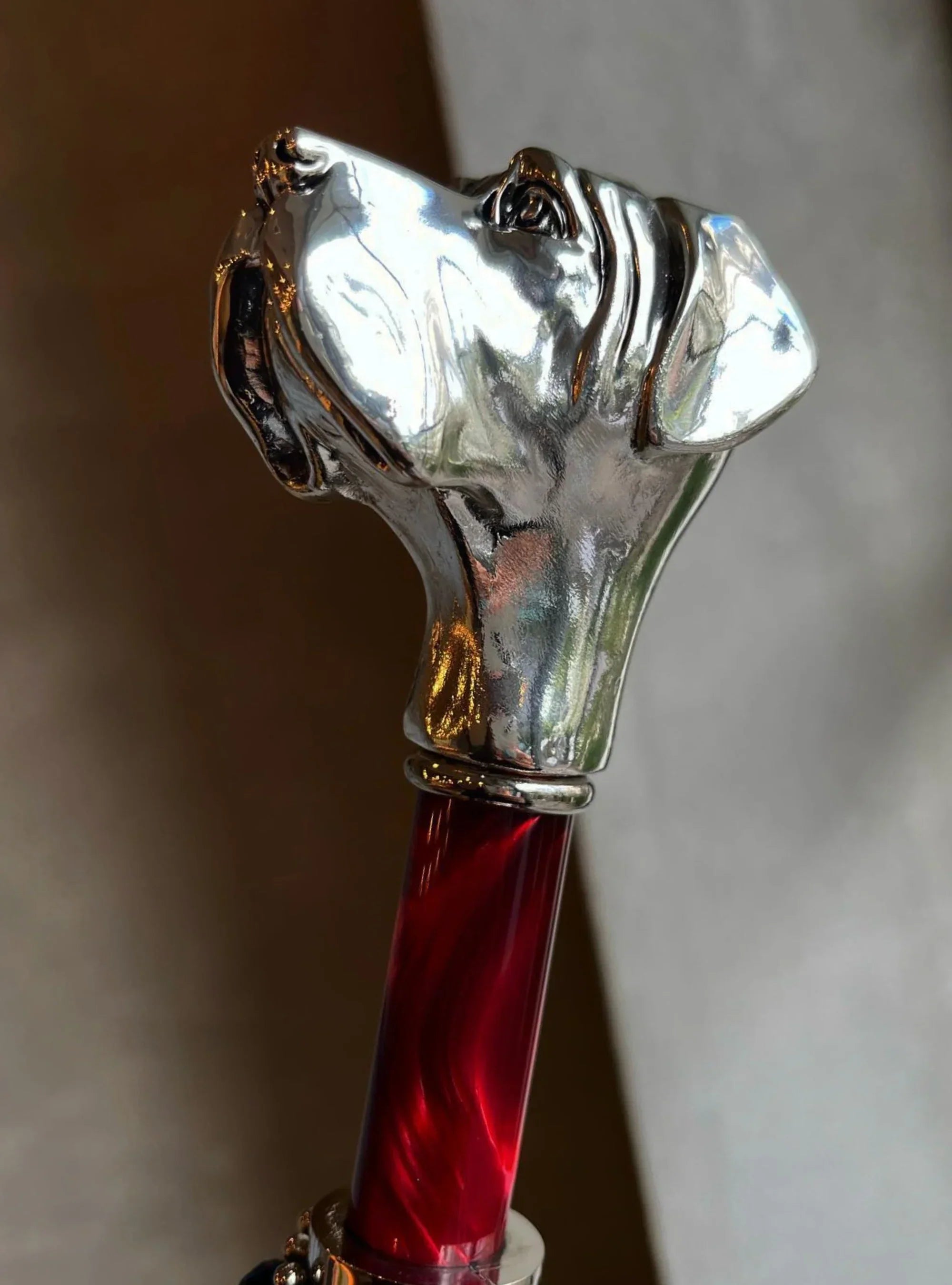
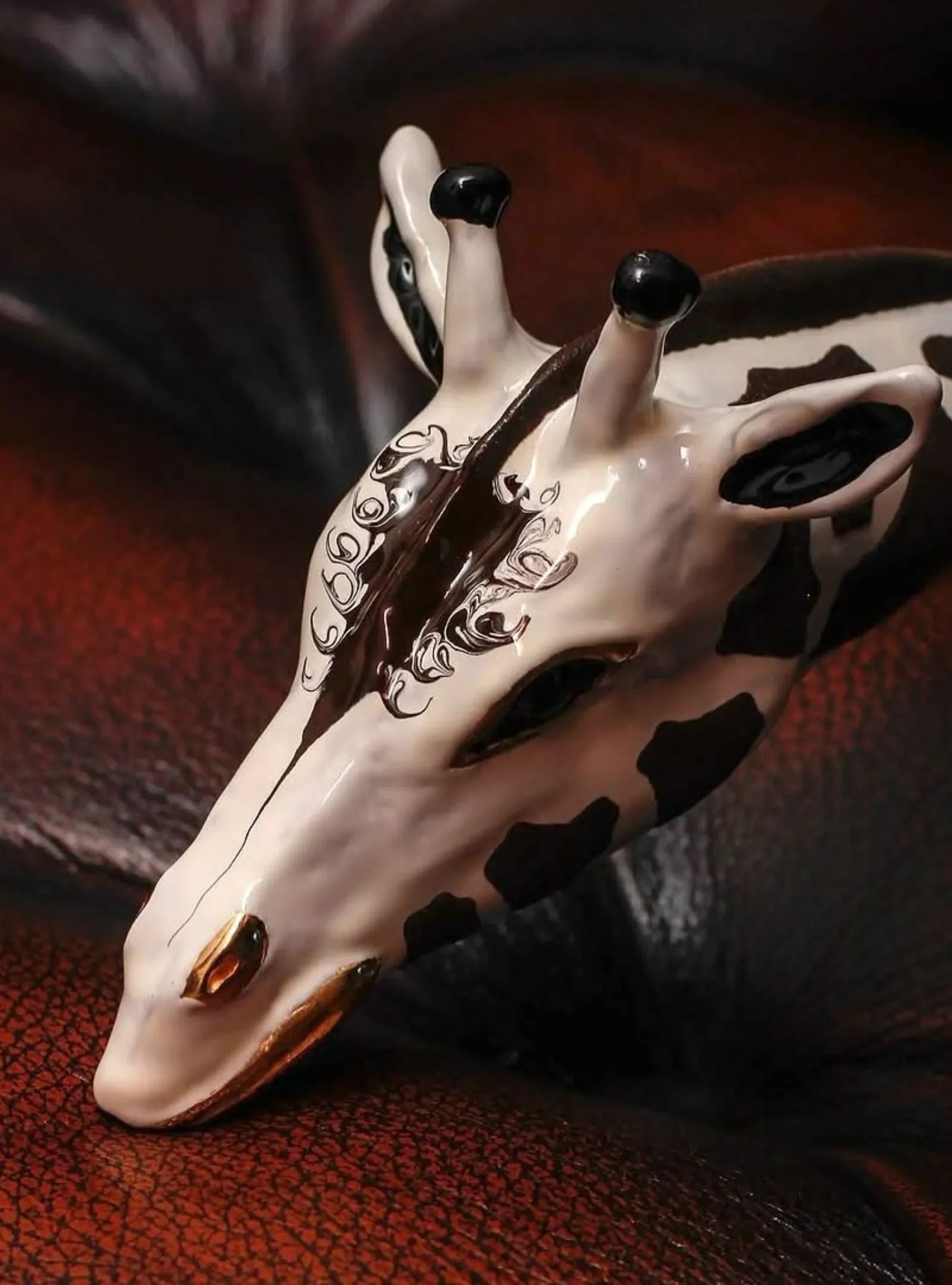
Western tradition carries no such baggage, and a well-made umbrella has become a favored corporate and wedding-party gift precisely because it photographs beautifully, is used often, and lasts for years rather than being consumed and forgotten. The one universal courtesy, regardless of culture: give a closed umbrella, never a used or damaged one, and if the gesture is meant to carry real weight, choose a piece finished by hand rather than something anonymous and mass-produced.
Carrying an Umbrella Well
The most common breach of umbrella etiquette has nothing to do with superstition and everything to do with spatial awareness. A closed umbrella should be carried vertically, tip toward the ground, not swung at hip height where a metal ferrule can catch an ankle or a stranger's coat. An open umbrella should be held slightly forward and slightly elevated in crowds — angled to protect the canopy of the person coming toward you, not merely one's own shoulders — and lowered, tilted, or briefly closed when passing through a doorway rather than forced through at full span.
At the table, in a restaurant vestibule, or in any shared indoor space, the correct place for a wet umbrella is in a stand or a bag, not leaning, dripping, against a chair someone else will later sit in. It is a small thing. Most good manners are.
Frequently Asked Questions
Why is it considered bad luck to open an umbrella indoors?
The superstition dates to the Victorian era, when early spring-loaded umbrella frames could snap open with enough force to injure someone or damage furniture in a small room. The physical risk has faded with modern mechanisms, but the custom of not opening an umbrella indoors has persisted as a matter of habit and courtesy.
Is it rude to share an umbrella with a stranger?
No — in most Western cultures, offering to share an umbrella is seen as a small kindness. The etiquette obligation falls on the person accepting the offer, who should hold their share of the canopy rather than leaving the other person exposed to the runoff.
Why do some cultures avoid giving umbrellas as gifts?
In Chinese-speaking cultures, the word for umbrella (sǎn) sounds almost identical to the word for "to scatter" or "to part" (sàn), making it a symbolically unlucky gift for weddings, housewarmings, or close relationships. The superstition does not carry over into most Western gift-giving traditions.
What is the correct way to carry a closed umbrella?
A closed umbrella should be carried vertically with the tip pointing toward the ground, not swung loosely at hip height, where the ferrule can catch on an ankle, a bag, or another person's clothing.
Source note: Historical and cultural context drawn from established etiquette and linguistic traditions; product recommendations reflect the current Artisan Umbrellas collection.


Partager:
Parasol, Sunshade, or Luxury Umbrella? The Three Words the Industry Uses Wrong
Inside the Atelier: How a Pasotti Umbrella Comes to Life, Panel by Panel