

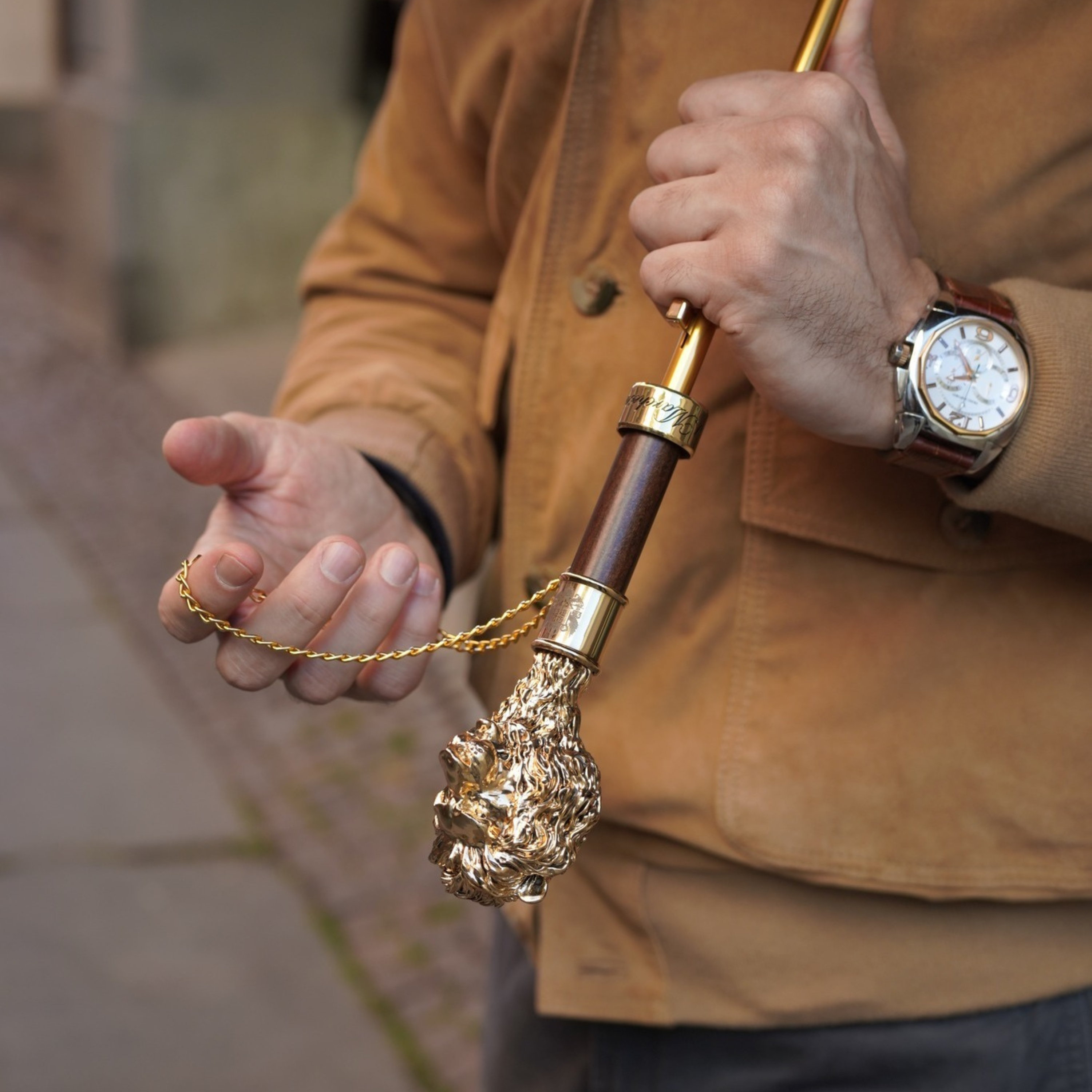
An umbrella may seem like a simple everyday accessory, but choosing the right one can make a significant difference in comfort, durability, and protection. Many people focus only on appearance or price, only to discover later that their umbrella struggles in wind, leaks during heavy rain, or breaks after minimal use.
Whether you need an umbrella for daily commuting, travel, outdoor events, or long-term reliability, understanding the key features can help you make a smarter purchase. This guide explains the most important umbrella features and how each one affects performance, durability, and user experience.
What Features Matter Most in an Umbrella?
Why Umbrella Features Matter?
A quality umbrella is more than a rain shield. It protects you from harsh weather, reduces the inconvenience of unexpected storms, and can last for years when built with durable materials and thoughtful design.
The best umbrella is not necessarily the most expensive one. Instead, it is the one that combines the right features for your specific needs.

1. Canopy Size
One of the first features to consider is canopy size.
The canopy is the fabric portion that provides coverage from rain or sunlight. Larger canopies offer greater protection but may be less convenient to carry.
Small Canopy (35–40 inches)
Best for:
- Compact storage
- Travel
- Lightweight everyday use
Medium Canopy (40–48 inches)
Best for:
- Most daily users
- Commuting
- Balanced portability and coverage
Large Canopy (48+ inches)
Best for:
- Heavy rain
- Sharing with another person
- Maximum protection
A larger canopy generally provides better coverage, but it can become more difficult to navigate through crowded areas.
2. Wind Resistance
Wind resistance is one of the most important indicators of umbrella quality.
Many umbrellas fail not because of rain but because strong wind causes them to invert or break.
Look for:
- Reinforced frame construction
- Flexible ribs
- Wind-vented canopies
- Fiberglass support components
Vented Canopies
A vented canopy contains specially designed openings that allow wind to pass through rather than becoming trapped underneath.
Benefits include:
- Reduced inversion
- Better stability
- Improved durability during storms
For people living in windy climates, wind resistance should be a top priority.
3. Frame Material
The frame serves as the umbrella's skeleton. Its quality largely determines longevity and performance.
Fiberglass
Fiberglass has become one of the most respected umbrella materials because it offers:
- Flexibility
- Strength
- Corrosion resistance
- Lightweight construction
Unlike rigid metals, fiberglass bends under pressure and returns to its original shape.
Steel
Steel provides:
- Excellent strength
- Affordable pricing
However, steel can be heavier and may eventually rust if not properly protected.
Aluminum
Aluminum offers:
- Lightweight portability
- Corrosion resistance
The trade-off is that some aluminum frames may not withstand strong winds as effectively as fiberglass.
4. Canopy Fabric Quality
The fabric covering directly affects water resistance, appearance, and lifespan.
Polyester
The most common umbrella fabric.
Advantages:
- Affordable
- Lightweight
- Quick drying
Pongee Fabric
A premium material often found in higher-quality umbrellas.
Advantages:
- Smooth texture
- Enhanced water repellency
- Improved durability
- Elegant appearance
Nylon
Nylon is lightweight and water-resistant but may show wear faster than premium fabrics.
A high-quality fabric should repel water effectively and maintain its appearance after repeated use.
5. Water Repellency
Not all umbrellas handle water equally well.
Advanced water-repellent coatings allow raindrops to bead and roll off the canopy surface.
Benefits include:
- Faster drying
- Reduced dripping
- Easier storage after use
- Improved cleanliness
A quick-drying canopy is especially useful for commuters and travelers.

6. Handle Design and Comfort
Since an umbrella is carried by hand, handle comfort plays a major role in user satisfaction.
Crook Handles
Traditional curved handles offer:
- Elegant appearance
- Easy hanging
- Secure grip
Straight Handles
Modern straight handles provide:
- Compact storage
- Contemporary style
- Convenient portability
Ergonomic Handles
Designed specifically for comfort.
Benefits include:
- Reduced hand fatigue
- Better grip security
- Increased comfort during prolonged use
The best handle depends on personal preference and how frequently the umbrella is used.
7. Opening and Closing Mechanism
Umbrellas generally fall into three categories.
Manual Open
Advantages:
- Fewer moving parts
- Reliable construction
- Lower cost
Automatic Open
Advantages:
- Quick deployment
- Convenient during sudden rain
Automatic Open and Close
Advantages:
- One-handed operation
- Excellent convenience
- Ideal for commuters
While automatic systems increase convenience, quality construction becomes especially important to ensure long-term reliability.
8. Portability and Weight
The ideal umbrella should be easy to carry without sacrificing durability.
Compact Umbrellas
Best for:
- Travel
- Handbags
- Backpacks
Full-Length Umbrellas
Best for:
- Daily use
- Greater durability
- Better wind resistance
Frequent travelers often prioritize portability, while daily walkers may benefit more from a larger, sturdier design.
9. Durability and Longevity
A durable umbrella can provide years of reliable service.
Features associated with longevity include:
- Reinforced ribs
- Fiberglass components
- High-quality fabric
- Secure stitching
- Corrosion-resistant materials
Investing in durability often reduces replacement costs over time.
10. UV Protection
Many modern umbrellas provide protection beyond rain.
UV-blocking canopies help shield users from harmful ultraviolet rays.
Benefits include:
- Reduced sun exposure
- Improved comfort in hot weather
- Better skin protection
For sunny climates, UV protection can be as valuable as rain protection.
11. Build Quality and Craftsmanship
Small construction details often separate premium umbrellas from disposable ones.
Look for:
- Even stitching
- Secure canopy attachment
- Smooth opening action
- Strong rib connections
- High-quality finishing
Careful craftsmanship typically results in better long-term performance.
12. Style and Appearance
Although functionality should come first, style remains an important consideration.
Popular options include:
- Classic black umbrellas
- Wooden handle umbrellas
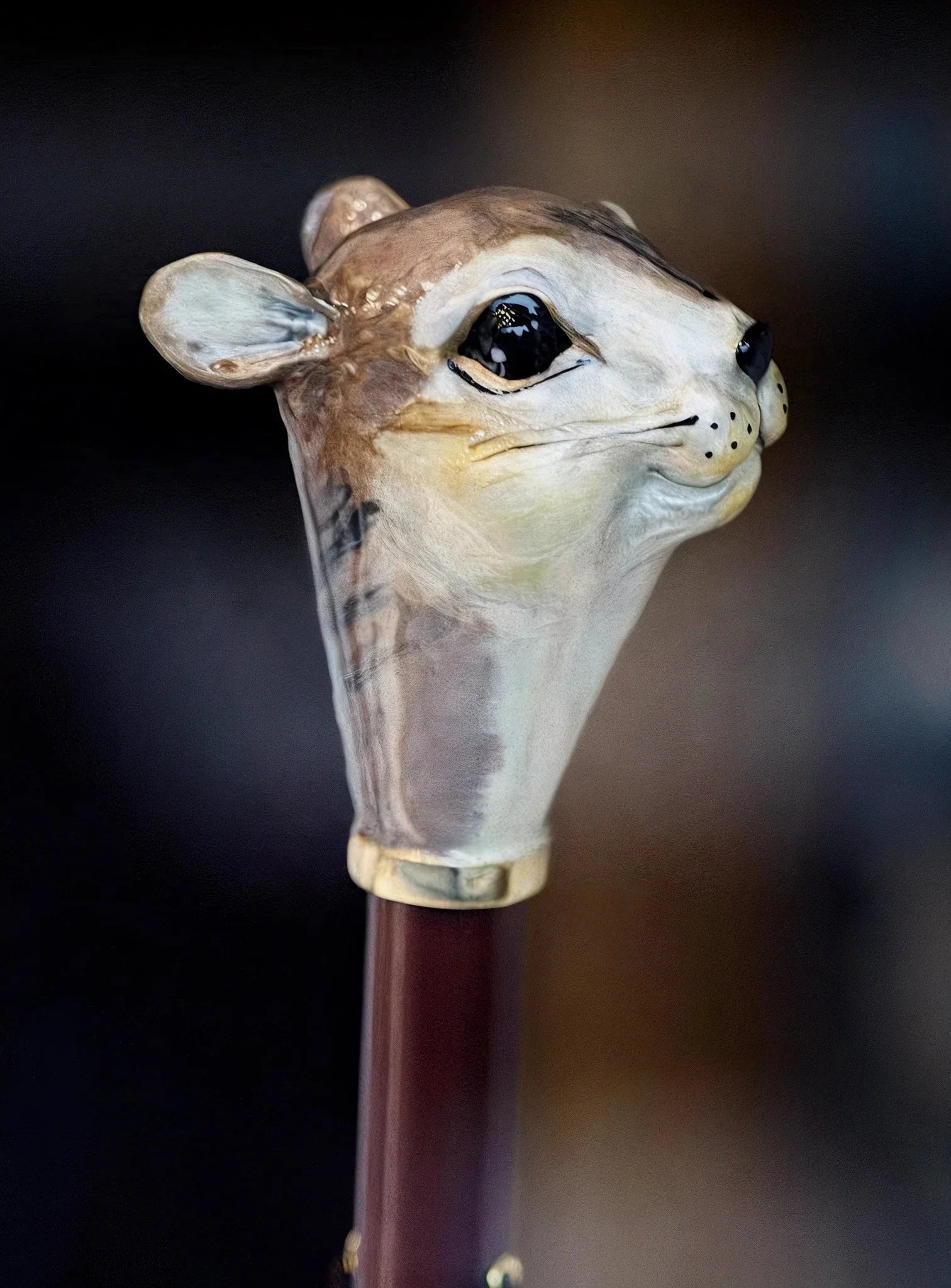
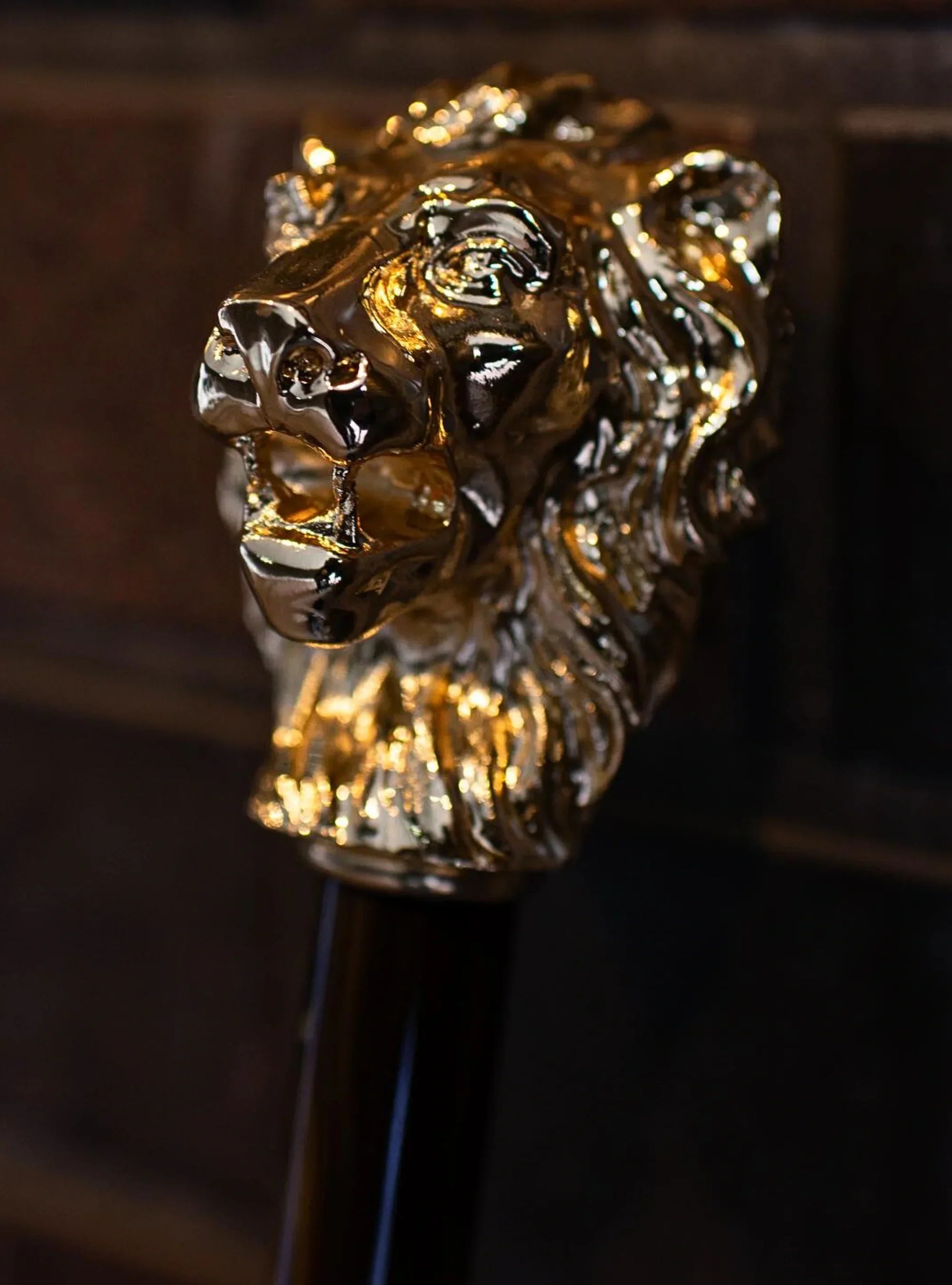
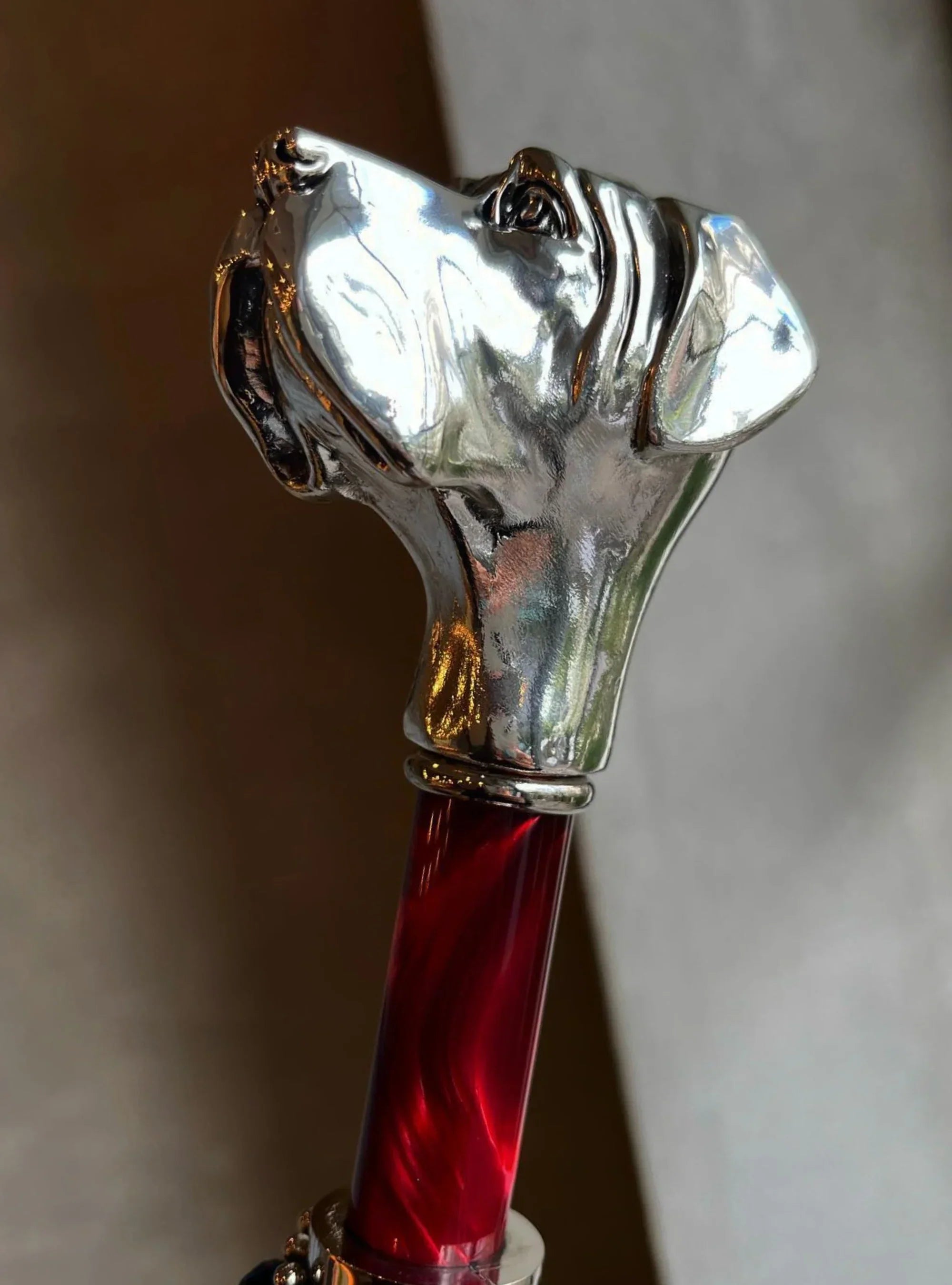
- Luxury handcrafted designs
- Modern minimalist styles
- Traditional gentleman's umbrellas
A well-designed umbrella can complement both casual and formal attire while maintaining practical performance.
How to Choose the Right Umbrella for Your Needs?
For Daily Commuting
Prioritize:
- Automatic opening
- Medium canopy size
- Wind resistance
- Lightweight design
For Frequent Travel
Prioritize:
- Compact folding design
- Lightweight frame
- Quick-drying canopy
For Windy Areas
Prioritize:
- Fiberglass frame
- Vented canopy
- Reinforced ribs
For Long-Term Value
Prioritize:
- Premium materials
- Quality craftsmanship
- Durable construction

Final Thoughts
The most important umbrella features depend on how and where you use your umbrella. However, certain characteristics consistently provide the greatest value: strong wind resistance, durable frame materials, quality canopy fabric, comfortable handling, and reliable construction.
Rather than focusing solely on appearance or price, evaluate an umbrella based on its ability to perform in real-world conditions. A well-made umbrella offers dependable protection, greater comfort, and a significantly longer lifespan, making it a worthwhile investment for everyday use.
Frequently Asked Questions
What is the most important feature in an umbrella?
Wind resistance is often considered the most important feature because strong winds are a leading cause of umbrella failure. A sturdy frame and flexible ribs greatly improve performance.
Which umbrella frame material is best?
Fiberglass is widely regarded as one of the best materials due to its combination of strength, flexibility, lightweight construction, and resistance to corrosion.
Are vented umbrellas better?
Yes. Vented umbrellas allow wind to pass through the canopy, reducing the risk of inversion and improving stability during storms.
What canopy size should I choose?
Most people find a medium canopy size between 40 and 48 inches provides the best balance between coverage and portability.
Is a more expensive umbrella worth it?
Higher-quality umbrellas often use better materials and craftsmanship, resulting in greater durability and improved performance over time.
What fabric is best for an umbrella?
Pongee fabric is often preferred for premium umbrellas because it is durable, attractive, and highly water-repellent.
Do umbrellas provide UV protection?
Some umbrellas include UV-blocking coatings that help protect users from harmful ultraviolet radiation and increase comfort on sunny days.
How long should a good umbrella last?
A well-constructed umbrella made with quality materials can last for many years when properly maintained and stored.
Are automatic umbrellas reliable?
High-quality automatic umbrellas are generally reliable and convenient. However, the durability of the mechanism depends on overall build quality.
What makes a luxury umbrella different?
Luxury umbrellas typically feature superior materials, handcrafted details, premium fabrics, stronger frames, and refined handle designs that enhance both performance and aesthetics.
Partager:
Choisir le bon style de poignée de parapluie pour vous
Luxury Umbrella Brand Authority