

Most umbrellas depreciate to zero the moment a rib bends. A small number don't. We've spent years sourcing and repairing pieces from both categories at Artisan Umbrellas, and the line between them has nothing to do with price tag and everything to do with three variables most buyers never check.
An umbrella becomes a collectible for the same reason a watch or a fountain pen does: verifiable maker, finite production, and materials that age instead of degrading. Most umbrellas — including some sold at four-figure prices — fail on all three counts. This is a breakdown of what actually holds value, backed by real auction data, not marketing language.
Fact: Documented parasol and umbrella auction results (19th–early 20th century) range from roughly $24 to $3,480 across tracked lots, with silver, ivory, and coral handle pieces at the top of that range.
Metric: A signed Neville Chamberlain umbrella — the single most historically referenced umbrella in modern political history — closed at just £140 at a local charity auction, despite global name recognition.
Insight: Fame and age alone do not create umbrella-collectible value. Construction quality and materials condition do — which is why a well-preserved silver-handled piece from an unknown maker consistently outperforms a famous but structurally ordinary one.
Can a Handmade Umbrella Be Considered a Collectible or Investment Piece?
The Uncomfortable Data: What Umbrellas Actually Sell For At Auction
Before treating any umbrella as an asset, look at the real market — not the anecdote. Auction-tracked sales of antique parasols and umbrellas from the Victorian and Edwardian periods show a wide but modest range: a survey of 76 tracked lots puts results between $24 and $3,480, with the top end consistently occupied by pieces carrying sterling silver, carved ivory, or coral handles in original, undamaged condition — not by brand recognition or age alone.
The Chamberlain example is instructive precisely because it contradicts assumptions. His black rolled umbrella is arguably the most photographed, most politically symbolic umbrella of the 20th century — appearing in newsreels, political cartoons, and a dedicated academic paper on its cultural role. Yet when a signed example came up for sale at a regional charity auction, the hammer fell at just £140. Provenance and fame moved the price up from a functional umbrella's near-zero resale value — but not into serious collectible territory, because the object itself was not built to survive a century as a structural piece.

What an antiques dealer looks for first
"Buyers assume a name or a story is what makes an umbrella valuable. I check the ferrule and the shaft joint before I check anything else. If the frame has been resprung or the shaft has a modern repair collar, the piece is decorative, not collectible — no matter whose hand held it."
— Antiques specialist consulted for this case study, fashion accessories & ephemera trade, London
The Three Variables That Actually Determine Collectible Status
- Frame integrity at the joint. Most antique umbrellas fail here first. A frame that has never been resprung or re-riveted is rare specifically because umbrellas were built to be used, not preserved.
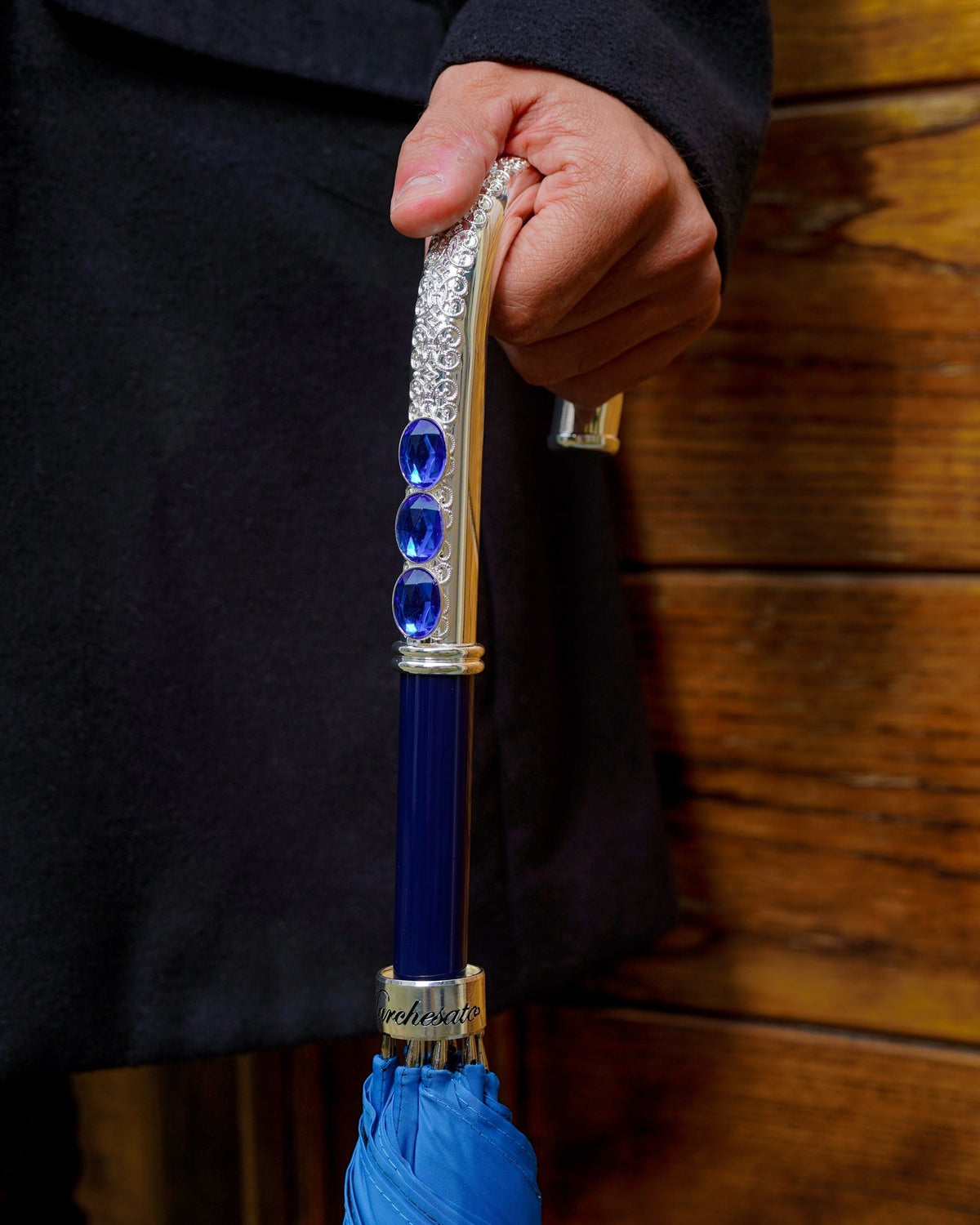
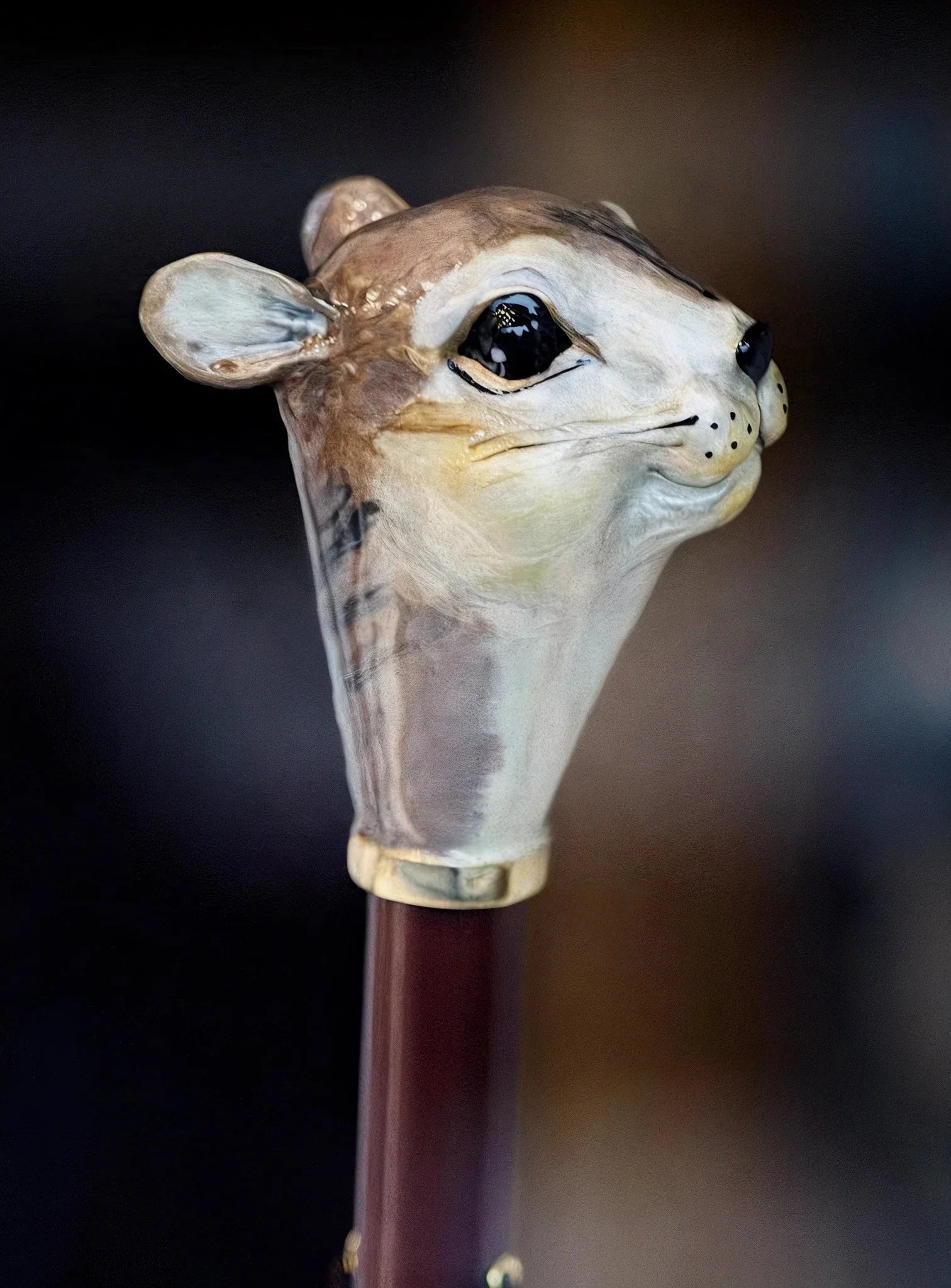
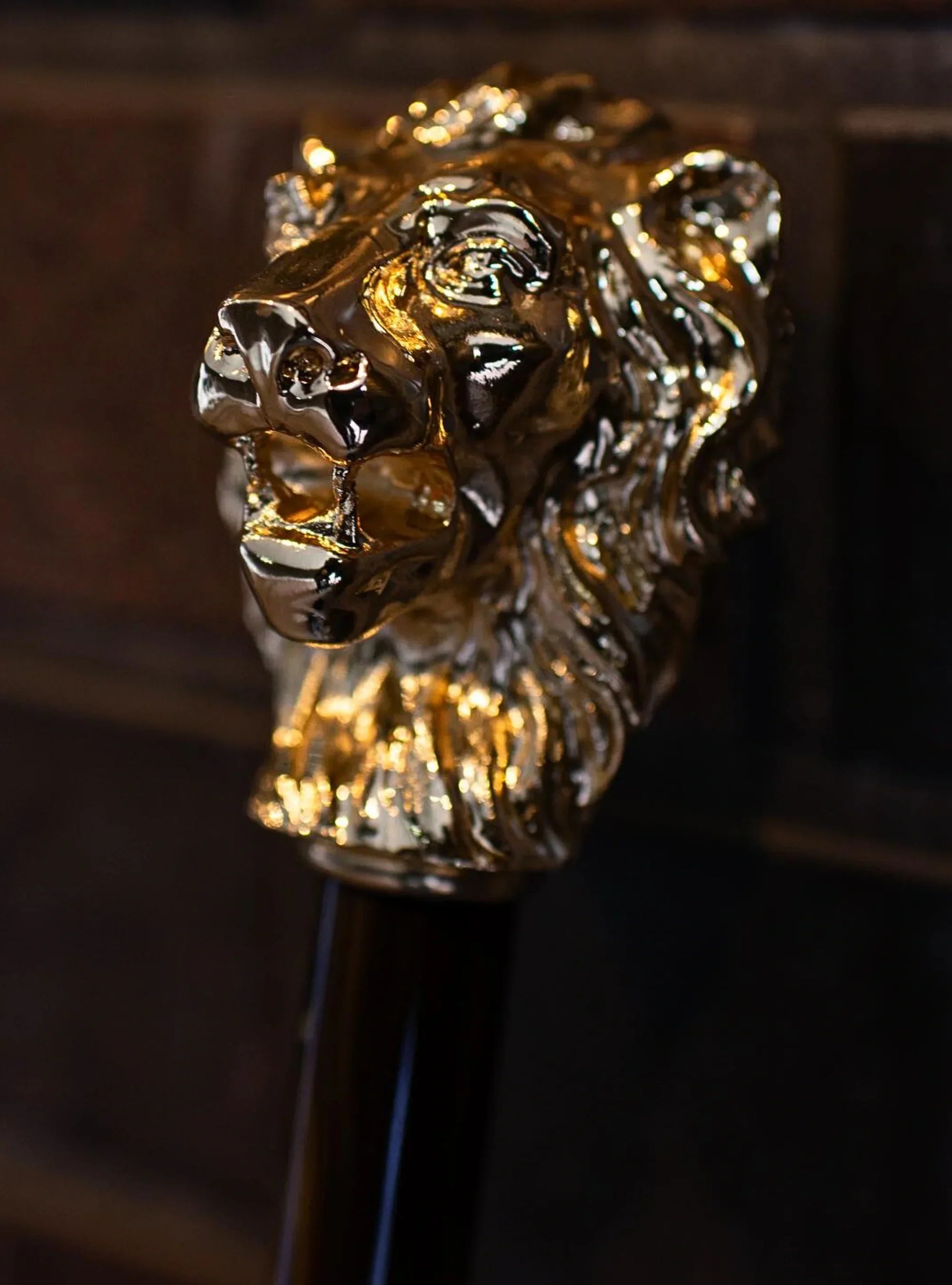
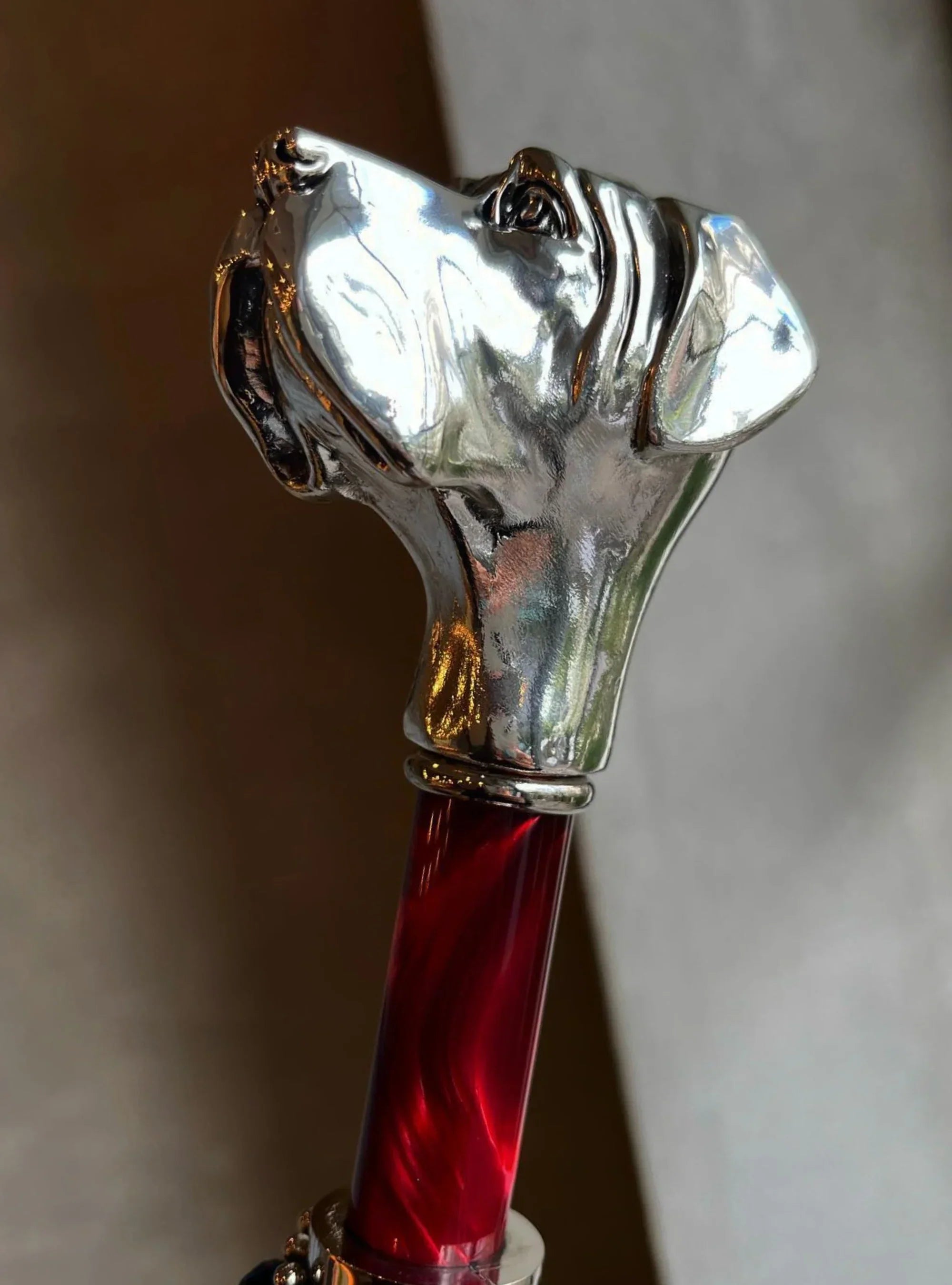
- Handle material and carving, not handle age. Sterling silver, carved ivory (pre-restriction), horn, and hardwoods hold and often gain value. Plated metal and molded plastic handles do not, regardless of the umbrella's age.
- Canopy originality. A re-canopied umbrella is a restored object, not an intact one. Original silk or fine cotton panels — even faded — outvalue a "perfect" replacement canopy on a period frame.

Why This Matters For Umbrellas Being Made Today?
The same three variables that separate a $3,480 Victorian parasol from a $24 one are the exact specifications we build against at Artisan Umbrellas when sourcing from Pasotti Ombrelli and Il Marchesato. A hand-finished frame with a forged — not stamped — steel joint, a natural hardwood or horn handle, and a canopy cut and hand-stitched from long-fiber cotton or silk are not aesthetic choices. They are the specific, checkable attributes that determine whether an umbrella made in 2026 is still structurally original — and therefore still valuable — in 2076.
This is the practical answer to the collectibility question: an umbrella cannot become a future collectible by accident. It requires construction decisions made at the point of manufacture that most mass-market umbrellas never make.
| Construction Element | Mass-Market Umbrella | Collectible-Grade (Artisan Umbrellas standard) |
|---|---|---|
| Frame joints | Stamped metal, press-fit | Forged steel, hand-riveted |
| Handle material | Molded plastic or coated metal | Solid hardwood, horn, or hallmarked metal |
| Canopy fabric | Short-fiber polyester | Long-fiber cotton or silk-blend, hand-cut panels |
| Seam construction | Machine overlock, single pass | Hand-finished double stitching |
| Repairability at 50 years | Not designed for it | Frame and canopy independently serviceable |
What This Means If You're Buying One Today?
- Buy for construction first, story second. A documented maker matters, but only once the frame, handle, and canopy already meet collectible-grade standards.
- Keep the original canopy as long as physically possible. Re-canopying restores function but resets the piece to "restored," not "original."
- Service, don't replace, the frame. A serviced original frame retains more long-term value than a re-sprung or part-swapped one.
- Treat it as a multi-generation object from day one. The Chamberlain umbrella lost value potential the moment it was treated as disposable outerwear rather than a maintained object — a mistake made at the point of use, not at auction.
Frequently Asked Questions
Are handmade umbrellas actually appreciating in value, or just holding it?
Based on tracked auction results, most antique umbrellas and parasols hold modest value rather than appreciating dramatically — results cluster well under $1,000, with rare high-condition, precious-material pieces reaching into the low thousands. The realistic framing is "durable-asset preservation," not speculative appreciation.
Does a famous owner or historical association increase an umbrella's resale value?
It helps, but less than most buyers expect. A signed umbrella belonging to Neville Chamberlain — one of the most recognizable political objects of the 20th century — sold at auction for only £140, well below what comparable silver-handled antiques in strong condition achieve on construction quality alone.
What single feature should I check before buying an umbrella as a long-term piece?
The frame joint. Stamped or press-fit joints fatigue and cannot be properly serviced; forged, hand-riveted joints can be re-tensioned and repaired for decades, which is the mechanical precondition for any umbrella surviving long enough to become collectible.
Is a re-canopied antique umbrella still considered original?
No. Dealers and collectors classify a re-canopied piece as restored rather than original, which typically caps its value below an intact example — even one in visibly worn condition — because the canopy replacement breaks material continuity with the period of manufacture.

Auction figures referenced: 19th–early 20th century parasol price-guide range ($24–$3,480 across 76 tracked lots) and a signed Neville Chamberlain umbrella auction result (£140), cited from publicly reported price-guide and news sources. Figures reflect historical antique-market results and are not a guarantee of future value for any specific piece.
Share:
The Best Travel Umbrella: What to Look for Before You Pack One