

Last updated: September 2026
The umbrella itself matters less than where it dries and lives afterward: a wet umbrella needs 2–3 hours fully open in moving air before it goes near a closet, and where that closet is changes everything. In a house, the usual mistake is a damp basement or an airtight garage. In an apartment, it's a single hall closet with zero air exchange and a still-damp canopy wedged between winter coats. Most umbrella care guides give one generic answer. The right answer depends on which of those two failure modes you're actually risking.
The One Rule That Applies to Both
Never fold a damp umbrella closed and put it away. Water trapped inside the folded canopy layers is what causes mildew, that musty smell, and dark spotting on the fabric — not the storage location itself. Open the umbrella fully as soon as you're indoors, stand it upright (handle down, canopy up) on a mat or in a sink, and let it air dry completely before closing it. This one habit prevents more damage than any storage spot can fix after the fact.
A wooden or horn handle adds a second rule: don't let it stand in a puddle of its own runoff while drying. Prop it so water drains away from the handle joint, not into it — that's where the ferrule meets the shaft, and it's the part that swells, loosens, or discolors first.
If You Live in a House
Use the mudroom — but only if it actually breathes
A mudroom or tiled entryway is the best storage spot in a house, provided it has some airflow: a window that cracks, a door to the outside, or just enough open space that air isn't trapped. A mudroom closet with a solid door sealed shut behaves exactly like a bad apartment closet.
Skip the basement
This is the single most common house mistake. Basements are the most humid room in most houses, and an umbrella stored there — even one that was bone dry going in — can pick up a musty smell from the ambient humidity alone over a season. If a basement is the only option, add a silica gel packet or two to whatever it's stored in and check on it monthly.
Garages work, with one caveat
Garages are usually dry enough, but they swing through wider temperature extremes than any indoor room — well below freezing in winter, well above 90°F (32°C) in summer in most of the US. Repeated temperature swings are hard on wooden and horn handles specifically, causing the material to expand and contract until it cracks. If you store a handcrafted umbrella in a garage, keep it away from the exterior-facing wall and out of direct summer sun through a window.
Pick one station, not one per door
Houses often have two or three entry points, which tempts you to keep an umbrella near each one "just in case." In practice this means umbrellas get stashed wherever is closest — sometimes still damp — instead of at the one spot set up to dry them properly. One designated station beats three convenient ones.

If You Live in an Apartment
Apartments remove the easy options: no mudroom, no basement to warn you about, often no garage. The two real constraints are space and shared hallways.
Check your building's hallway rules before you improvise
Many co-op and rental buildings explicitly prohibit leaving wet items — umbrellas included — in shared corridors, both as a trip hazard and a water-damage liability for the building. If you've been propping a dripping umbrella outside your door to dry, it's worth checking your lease or house rules; this is a more common restriction than people expect.
The bathroom instinct is usually wrong
Hanging a wet umbrella over the tub or shower rod feels logical — it's already the "wet room." But most apartment bathrooms have weak or no ventilation, which means the umbrella sits in humid air rather than drying in it. If you do use the bathroom, run the exhaust fan or crack a window for the first hour, then move the umbrella out once it's mostly dry to finish air-drying somewhere with better circulation — near an entryway window, or by the front door with it propped open briefly.
Go vertical
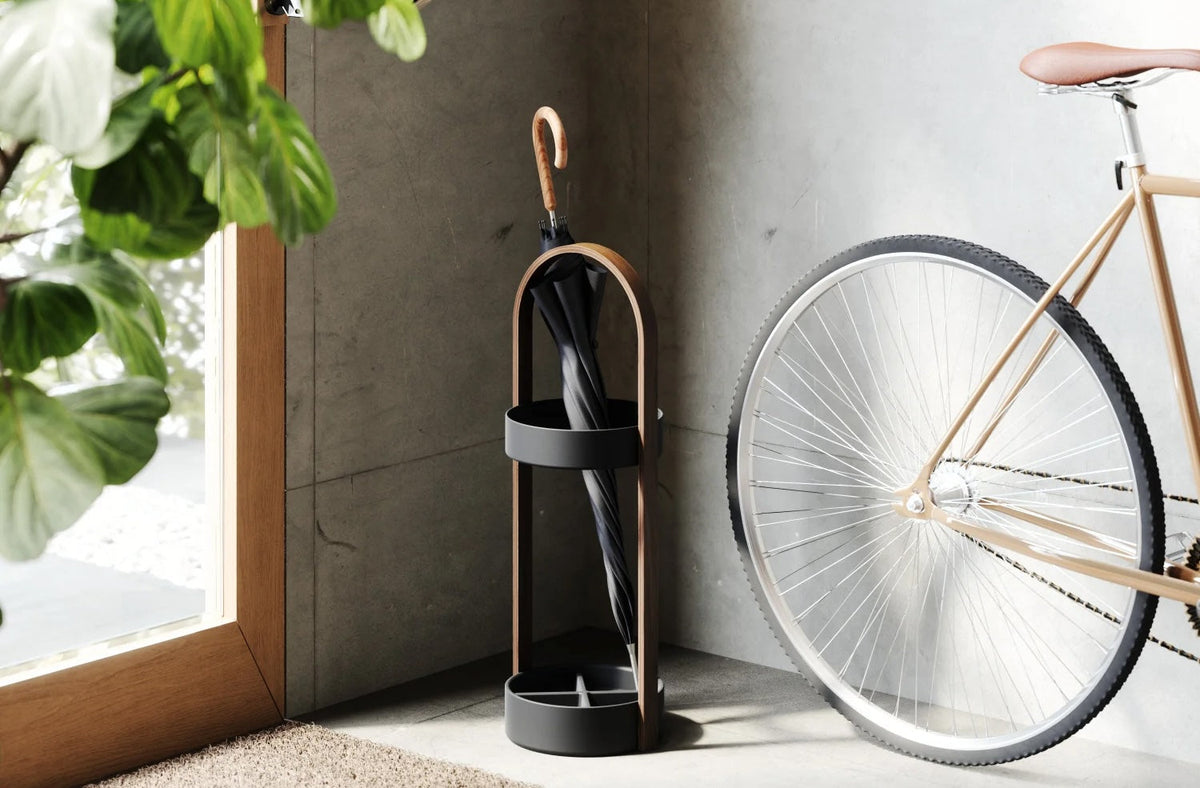
With no dedicated entry closet, wall space does the work a mudroom would: a single wall hook or an over-the-door hook keeps the umbrella off the floor and away from coats, with air on all sides. A slim stand tucked behind a door works too, as long as it isn't jammed against fabric that will absorb the runoff.
Use a balcony if you have one
A balcony or even a screened window ledge is the fastest apartment drying spot there is — better airflow than almost any indoor room. Ten minutes propped open on a balcony often finishes what an hour indoors would only start.
If it has to live in a closet, help it breathe
A coat closet is fine for long-term storage once the umbrella is fully dry — the risk is only for the first day or two after use. Crack the closet door for the first 24 hours, add a silica gel packet if the closet runs damp, and don't wedge the umbrella tight against coats or shoes; a couple of inches of clearance is enough to stop moisture from transferring.

A Note for Handcrafted Handles
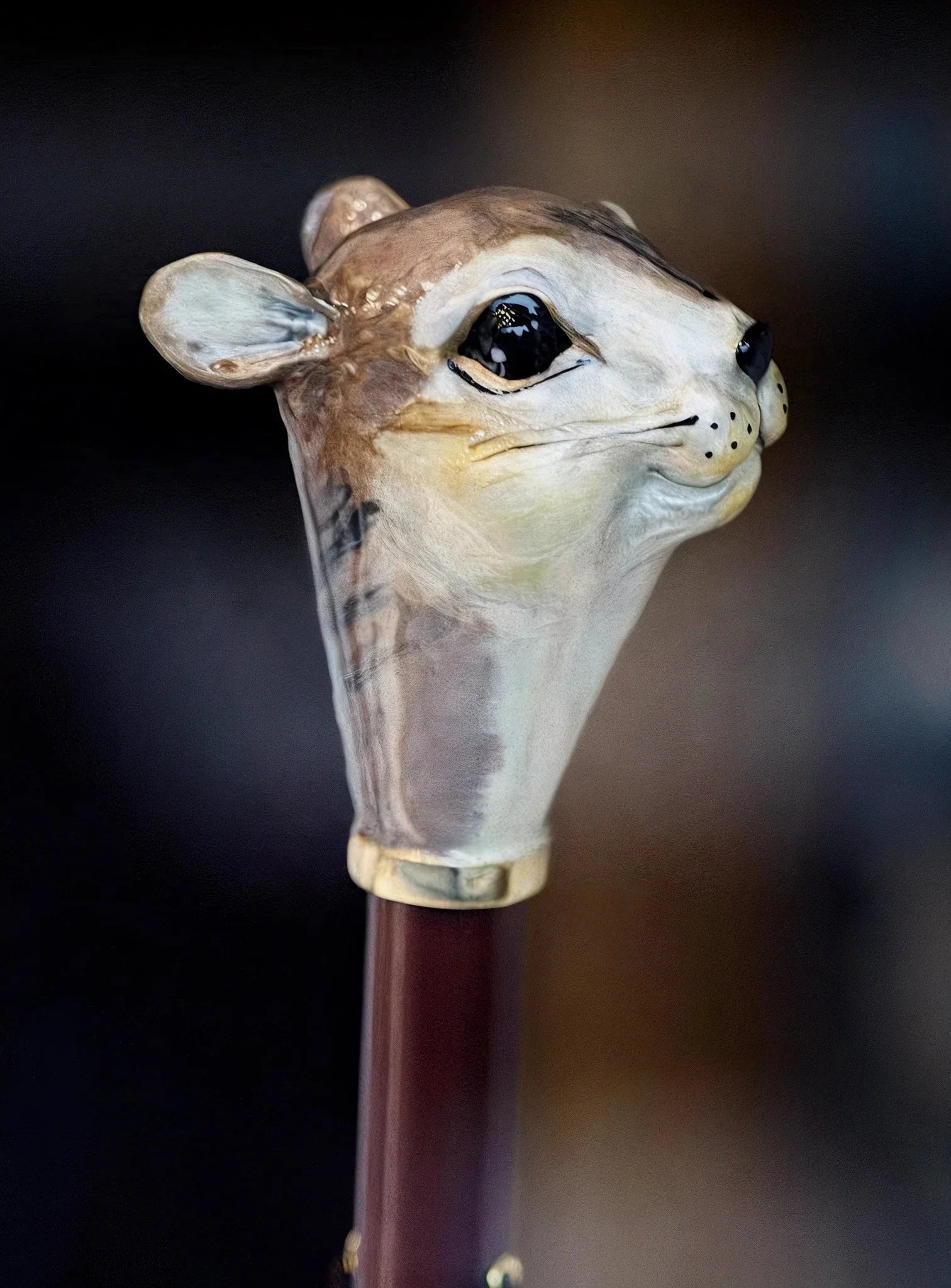
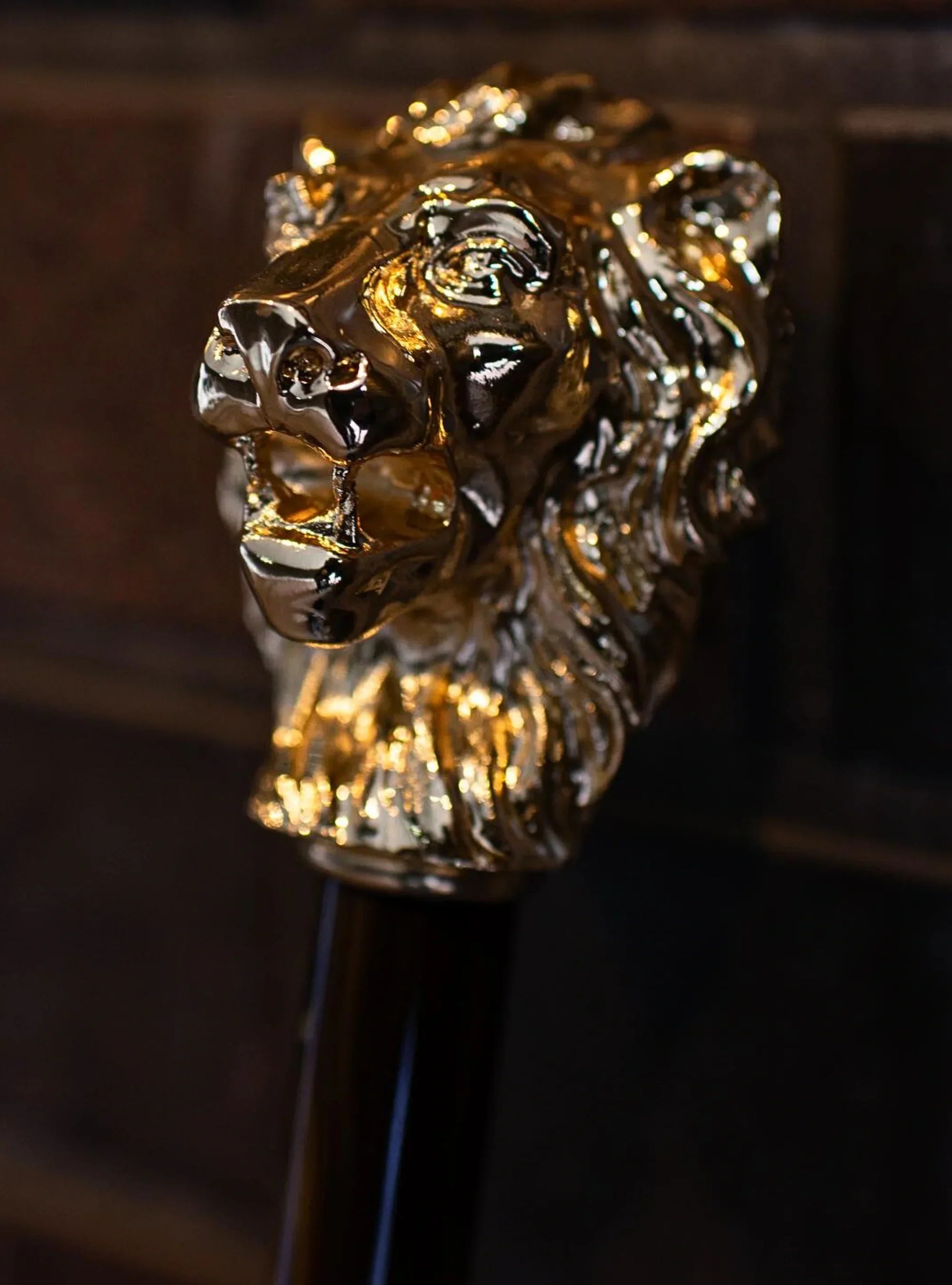
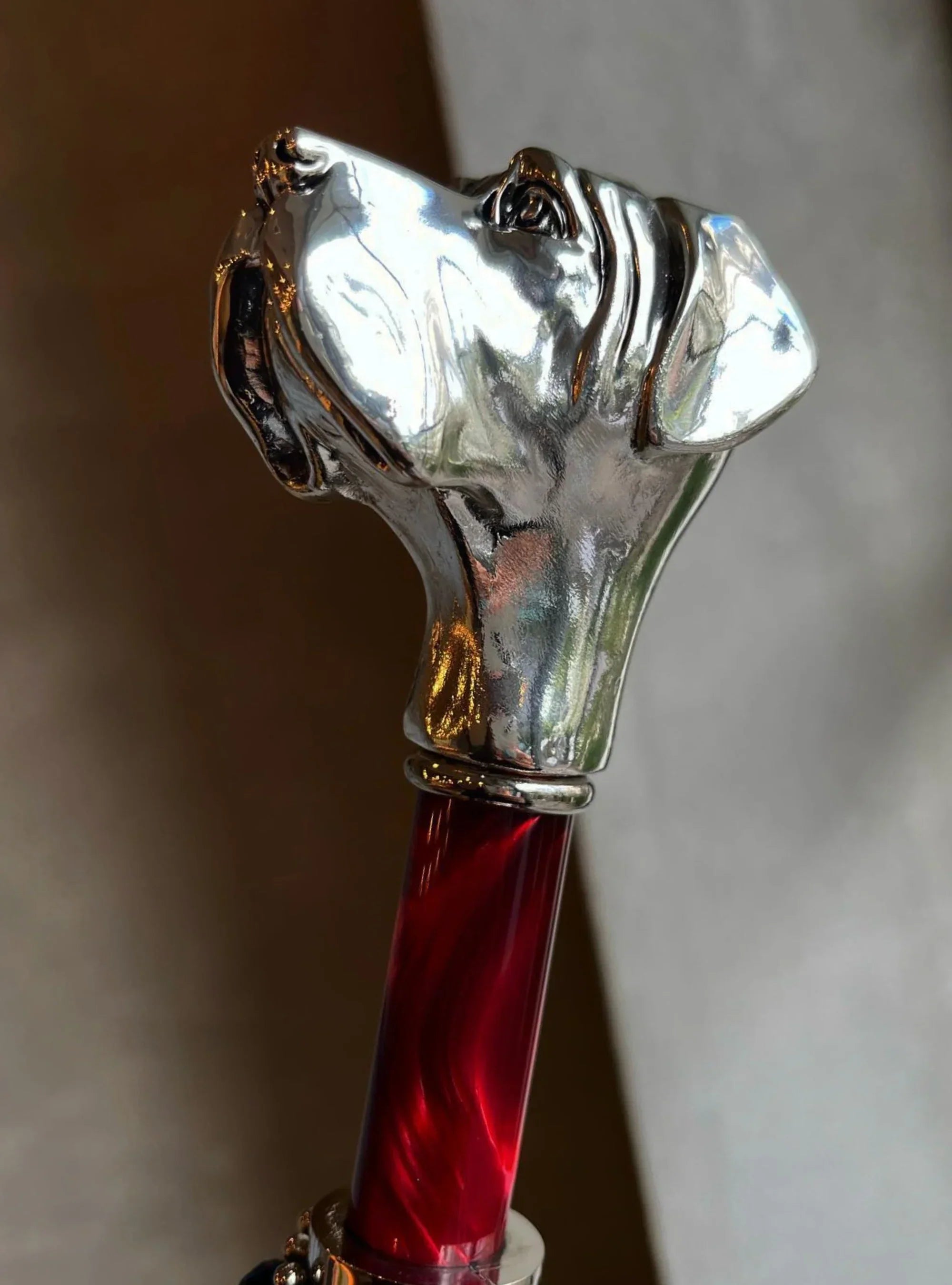
Wood, horn, and leather-wrapped handles — the kind used on handcrafted Italian umbrellas — respond to their storage environment more than a plastic or rubber grip does. Two habits matter more than the rest:
- Keep the handle away from direct heat. That means radiators and forced-air vents in a house, and baseboard heaters in an apartment. Repeated heat cycling dries the material faster than normal aging and is a common cause of hairline cracks in wood and horn.
- Condition leather-wrapped handles if you're storing the umbrella for a season. A summer of not using a heavier winter umbrella is long enough for leather to stiffen. A small amount of leather conditioner before it goes into off-season storage keeps the wrap supple.
Frequently Asked Questions
Should I store my umbrella open or closed?
Open it fully to dry after every use, then close it for storage once it's completely dry — usually 2–3 hours of air exposure. You don't need to store it permanently open; the goal is just making sure no moisture is trapped in the folds when you close it.
Why does my umbrella smell musty?
A musty smell almost always means it was folded and stored while still damp, or stored somewhere with ambient humidity (a basement, a sealed closet, an unventilated bathroom). The moisture allows mildew to develop inside the folded canopy. Re-drying it fully open in ventilated air and, if the smell persists, wiping the canopy with a diluted vinegar solution before a final full dry usually resolves it.
Can I store a damp umbrella in its sleeve or a plastic bag?
No — this is one of the most common causes of mildew. A sleeve or bag traps whatever moisture is left against the fabric with no airflow at all. Only put an umbrella back in its sleeve once it's fully dry.
Is it okay to leave an umbrella in a car?
For a day or two, it's fine. Long-term, a car interior goes through even wider temperature swings than a garage, which is hard on wooden handles and can degrade canopy fabric and waterproof coatings faster than normal use would. Treat the car as a place an umbrella passes through, not where it lives.
How do I stop a wooden umbrella handle from cracking?
Keep it away from direct heat sources and out of prolonged direct sunlight, dry it fully before storage so water doesn't sit at the handle joint, and avoid extreme temperature swings (a hot car, a freezing garage). If the wood looks dry, an occasional light application of furniture wax or wood conditioner — the same kind used on fine wood furniture — helps.
For repairs beyond normal wear, see our guide on when to repair versus replace a luxury umbrella. Shopping for a piece worth taking care of? Browse our gentlemen's and ladies' collections.

Share:
Can a Handmade Umbrella Be Considered a Collectible or Investment Piece?