

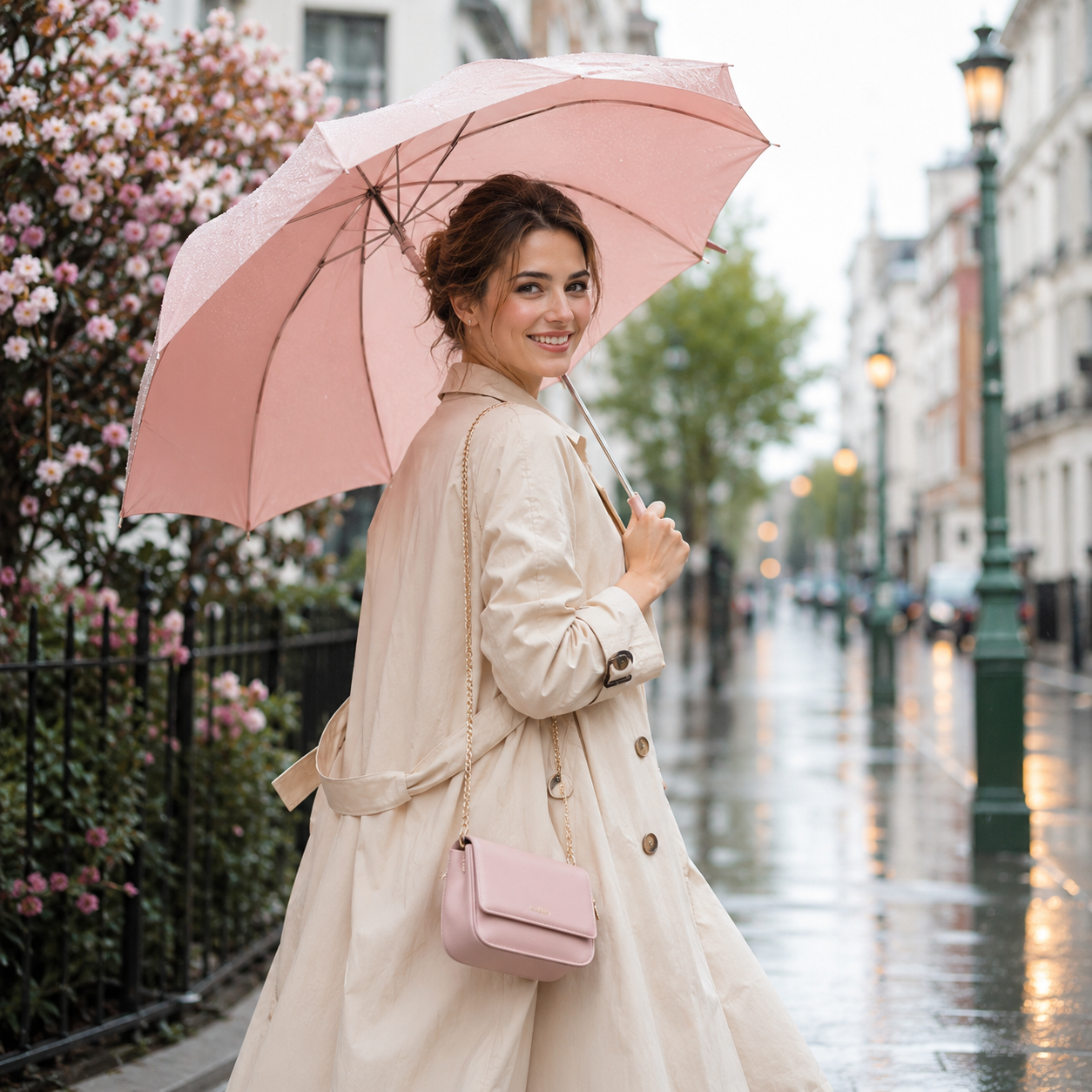
An umbrella is one of the most overlooked daily accessories. Most people only think about it when the weather turns bad — and unfortunately, that often leads to habits that shorten its lifespan. Whether you own an inexpensive compact umbrella or a premium handcrafted model, avoidable mistakes can quickly damage the frame, canopy, ribs, or handle.
Understanding how umbrellas fail is the first step toward protecting your investment. In this guide, we’ll cover the most common mistakes that damage umbrellas, explain why they happen, and show how proper care can keep an umbrella looking and functioning like new for years.
Common Mistakes That Damage Umbrellas
Why Umbrellas Get Damaged So Easily?
Modern umbrellas are engineered to balance flexibility, tension, and lightweight construction. Even durable luxury umbrellas rely on precise frame alignment and fabric tension to open and close correctly.
Most umbrella damage comes from:
- Improper handling
- Strong wind misuse
- Moisture neglect
- Incorrect storage
- Low-quality maintenance habits
Many problems develop gradually rather than instantly. A slightly bent rib, loose shaft, or stretched canopy may seem harmless at first but can eventually lead to complete structural failure.
1. Closing a Wet Umbrella and Storing It Immediately
One of the biggest mistakes people make is folding an umbrella while it is still wet and leaving it closed for long periods.
Why This Causes Damage?
Moisture trapped inside the canopy can lead to:
- Mold and mildew growth
- Fabric weakening
- Rust on metal components
- Unpleasant odors
- Staining and discoloration
Premium umbrella fabrics often feature water-resistant coatings, but constant trapped moisture still accelerates deterioration.
Best Practice
After use:
- Open the umbrella indoors
- Allow it to air dry completely
- Keep it away from direct heat sources
- Fold it only after the canopy is dry
Drying properly significantly extends the lifespan of both the frame and the fabric.

2. Using an Umbrella in Extreme Wind Conditions
Even wind-resistant umbrellas have limits.
Common Wind Damage
Strong gusts can:
- Bend ribs permanently
- Snap support struts
- Stretch the canopy
- Loosen frame joints
- Invert the umbrella repeatedly
Repeated inversion weakens the structural integrity of the frame over time.
Important Tip
When winds become severe:
- Tilt the umbrella into the wind
- Reduce canopy resistance
- Avoid fighting against strong gusts
- Consider closing the umbrella temporarily
A luxury umbrella may survive occasional inversion, but repeated stress reduces long-term durability.
3. Forcing the Umbrella Open or Closed
Many people rush the opening mechanism, especially with automatic umbrellas.
What Happens Internally?
Forcing movement can:
- Damage springs
- Misalign the runner
- Bend frame connectors
- Crack automatic mechanisms
This is especially common when the canopy fabric becomes caught between ribs.
Proper Handling
Always:
- Open the umbrella smoothly
- Shake it gently before opening if wet
- Ensure fabric is not twisted
- Close it carefully without excessive force
Slow, controlled handling protects the internal mechanics.

4. Leaving the Umbrella in a Hot Car
Heat exposure is more damaging than many people realize.
Heat-Related Problems
High temperatures can:
- Warp plastic components
- Dry out wooden handles
- Damage waterproof coatings
- Fade canopy colors
- Weaken glue and adhesives
Luxury umbrellas with natural wood handles are especially vulnerable to temperature extremes.
Better Storage Options
Instead of storing an umbrella in a hot vehicle:
- Keep it indoors
- Use a hallway stand
- Store it in a cool, dry location
Consistent temperatures preserve both appearance and functionality.
5. Wrapping the Strap Too Tightly
The closing strap is designed to secure the canopy gently — not compress it aggressively.
Why Tight Wrapping Is Harmful?
Over-tightening can:
- Stretch the fabric
- Create permanent creases
- Stress stitching
- Distort canopy shape
This often causes uneven opening later.
Correct Technique
Fold the canopy naturally around the shaft and secure the strap with light tension rather than pulling it excessively tight.
6. Using the Umbrella as a Walking Stick
Many full-size umbrellas resemble canes, but they are not designed to support body weight unless specifically manufactured for that purpose.
Potential Damage
Using an umbrella for support can:
- Bend the shaft
- Loosen the handle
- Crack internal frame joints
- Misalign opening mechanisms
Even slight shaft bending can affect how the umbrella opens.
Safer Alternative
If walking support is needed, use a proper cane instead of relying on a standard umbrella.
7. Ignoring Small Frame Problems
Minor issues often become major repairs when ignored.
Early Warning Signs
Watch for:
- Loose ribs
- Uneven canopy tension
- Clicking sounds
- Wobbling shafts
- Difficulty locking open
Small alignment problems place uneven stress on the entire frame.
Why Early Attention Matters?
Fixing minor issues early can prevent:
- Complete rib breakage
- Torn canopy panels
- Permanent frame distortion
Luxury umbrellas especially benefit from occasional maintenance inspections.
8. Storing Umbrellas Incorrectly
Improper storage gradually damages both the fabric and the frame.
Common Storage Mistakes
Avoid:
- Tossing umbrellas onto floors
- Storing under heavy objects
- Keeping them tightly packed for months
- Leaving them in damp closets
Pressure and humidity accelerate wear.
Ideal Storage Conditions
Store umbrellas:
- Vertically when possible
- In dry environments
- Away from direct sunlight
- With enough space to avoid crushing
Proper storage preserves canopy shape and frame alignment.
9. Opening an Umbrella Too Quickly Indoors
Sudden opening in confined spaces can strike walls, ceilings, or furniture.
Resulting Damage
This can:
- Bend rib tips
- Tear canopy stitching
- Damage ferrules
- Scratch handle finishes
Decorative or handcrafted handles are particularly susceptible to impact damage.
Smart Habit
Open umbrellas carefully in open areas whenever possible.

10. Buying Extremely Cheap Umbrellas Repeatedly
Low-cost umbrellas often use inferior materials that fail faster under normal use.
Typical Weak Points
Cheap umbrellas commonly feature:
- Thin aluminum ribs
- Weak plastic joints
- Poor stitching
- Low-tension canopies
- Fragile automatic mechanisms
While inexpensive initially, they frequently require replacement.
Why Quality Matters?
Well-made umbrellas typically provide:
- Stronger frame engineering
- Better wind resistance
- More durable fabrics
- Longer service life
- Improved comfort and balance
A quality umbrella often becomes more economical over time because it lasts significantly longer.
How to Make an Umbrella Last Longer?
Simple maintenance habits can dramatically extend umbrella lifespan.
Umbrella Care Checklist
- Dry thoroughly after every use
- Open and close gently
- Avoid extreme wind exposure
- Store properly
- Clean dirt and debris regularly
- Inspect frame alignment occasionally
- Avoid prolonged heat exposure
Consistent care matters more than most people realize.
Final Thoughts
Most umbrella damage is preventable. Small daily habits — like drying properly, storing carefully, and avoiding excessive force — make a major difference in long-term durability.
Whether you carry a compact travel umbrella or a handcrafted luxury model, treating it as a precision accessory rather than a disposable item helps preserve both performance and appearance.
A well-maintained umbrella can remain reliable for many years, offering better protection, better style, and better overall value.

Share:
Signature Design Elements of Umbrellas
Are Expensive Umbrellas Worth It?