

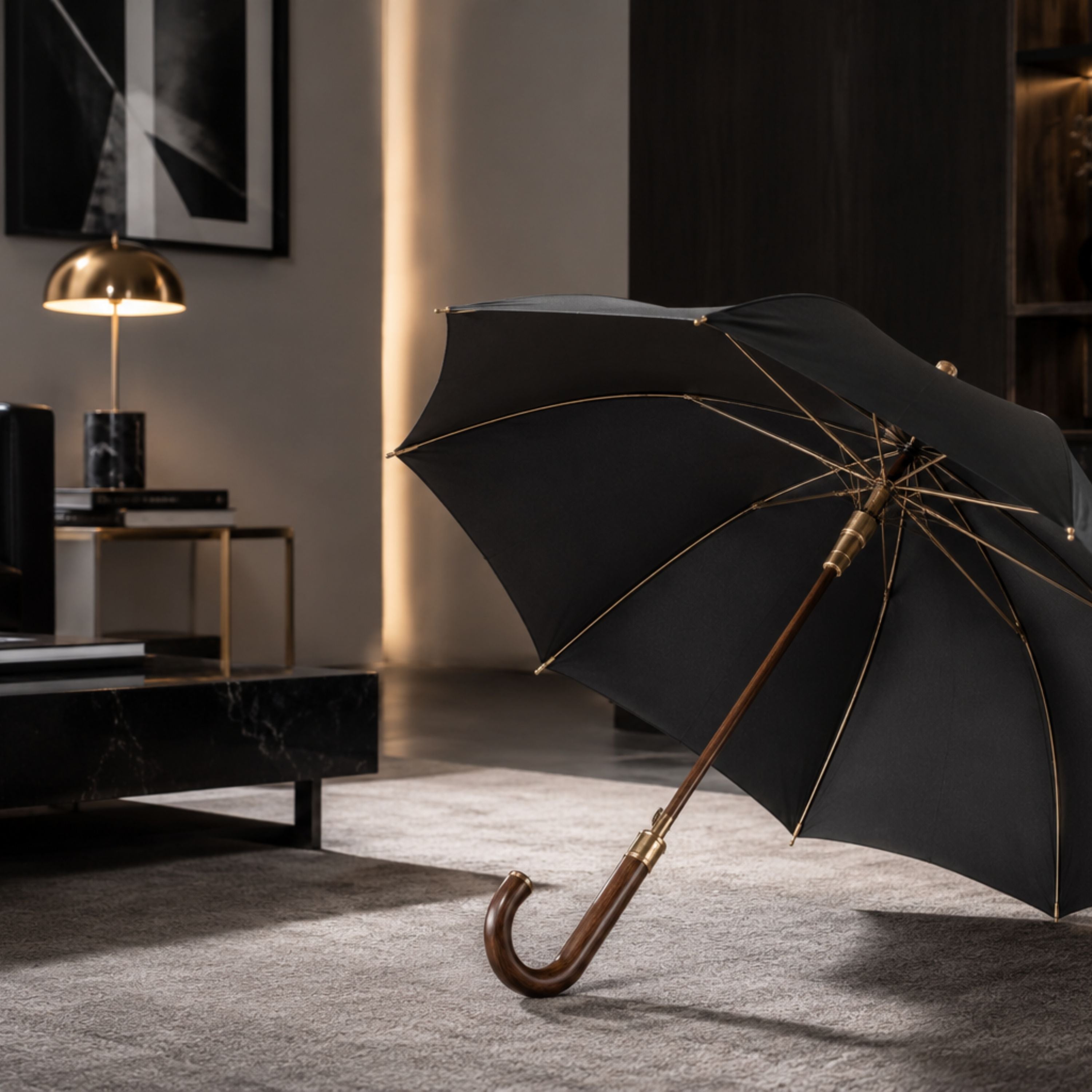
The first time I noticed the design of an umbrella beyond its basic function, I was standing outside a hotel during heavy rain.
Several people walked past carrying umbrellas that technically did the same thing. But one of them felt completely different. The silhouette was cleaner. The handle looked balanced in the hand. Even the way the canopy moved in the wind seemed calmer somehow.
I remember realizing, almost unexpectedly, that umbrellas have design language just like watches, furniture, or clothing.
And once you start noticing those details, it becomes impossible to ignore them.
Most people see umbrellas as purely practical objects.

Open. Close. Stay dry.
But luxury and well-designed umbrellas communicate something through proportion, material choice, movement, and restraint. Their signature elements aren’t usually loud. They reveal themselves slowly through repeated use.
That subtlety is part of what makes them feel refined.
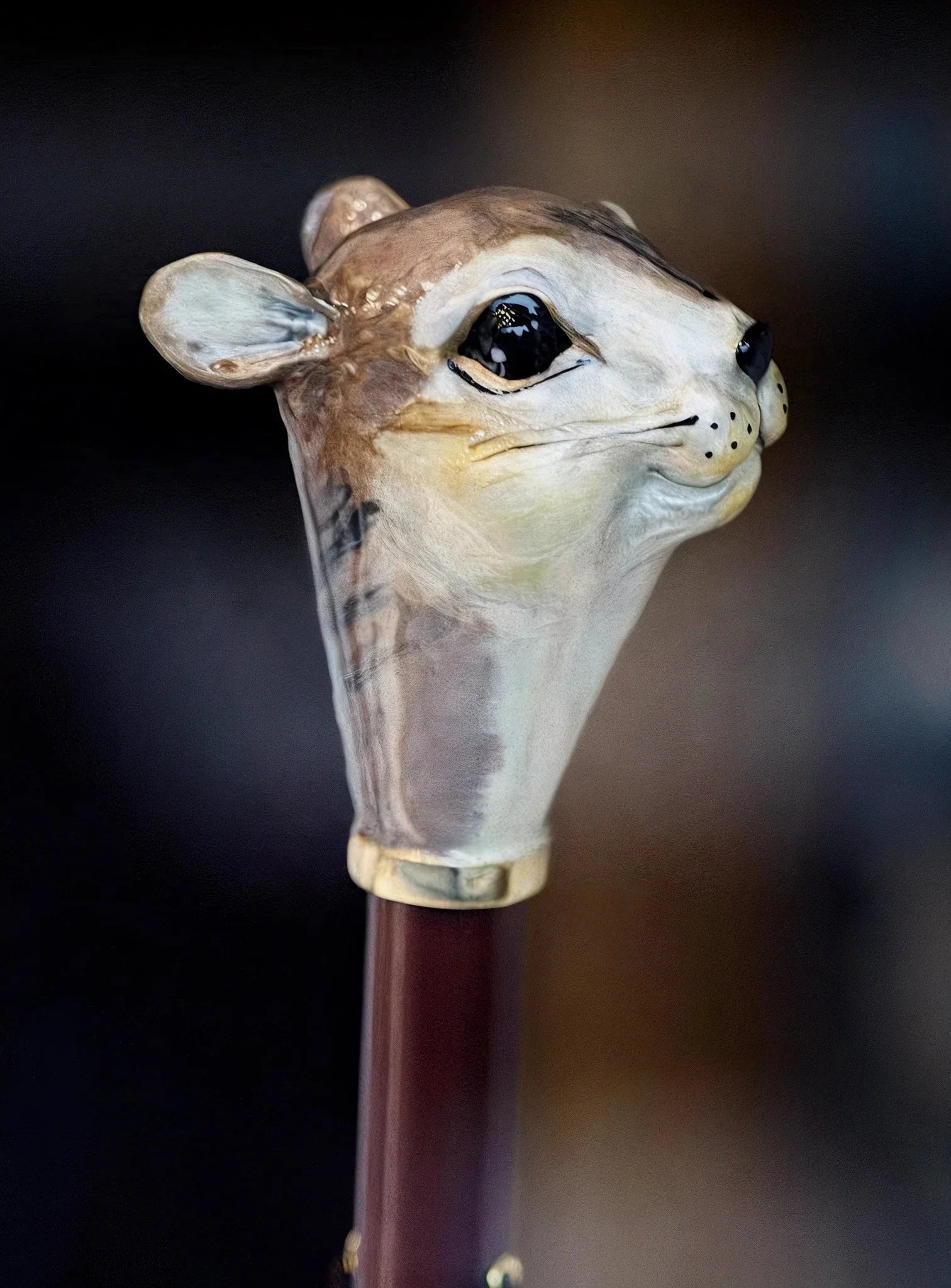
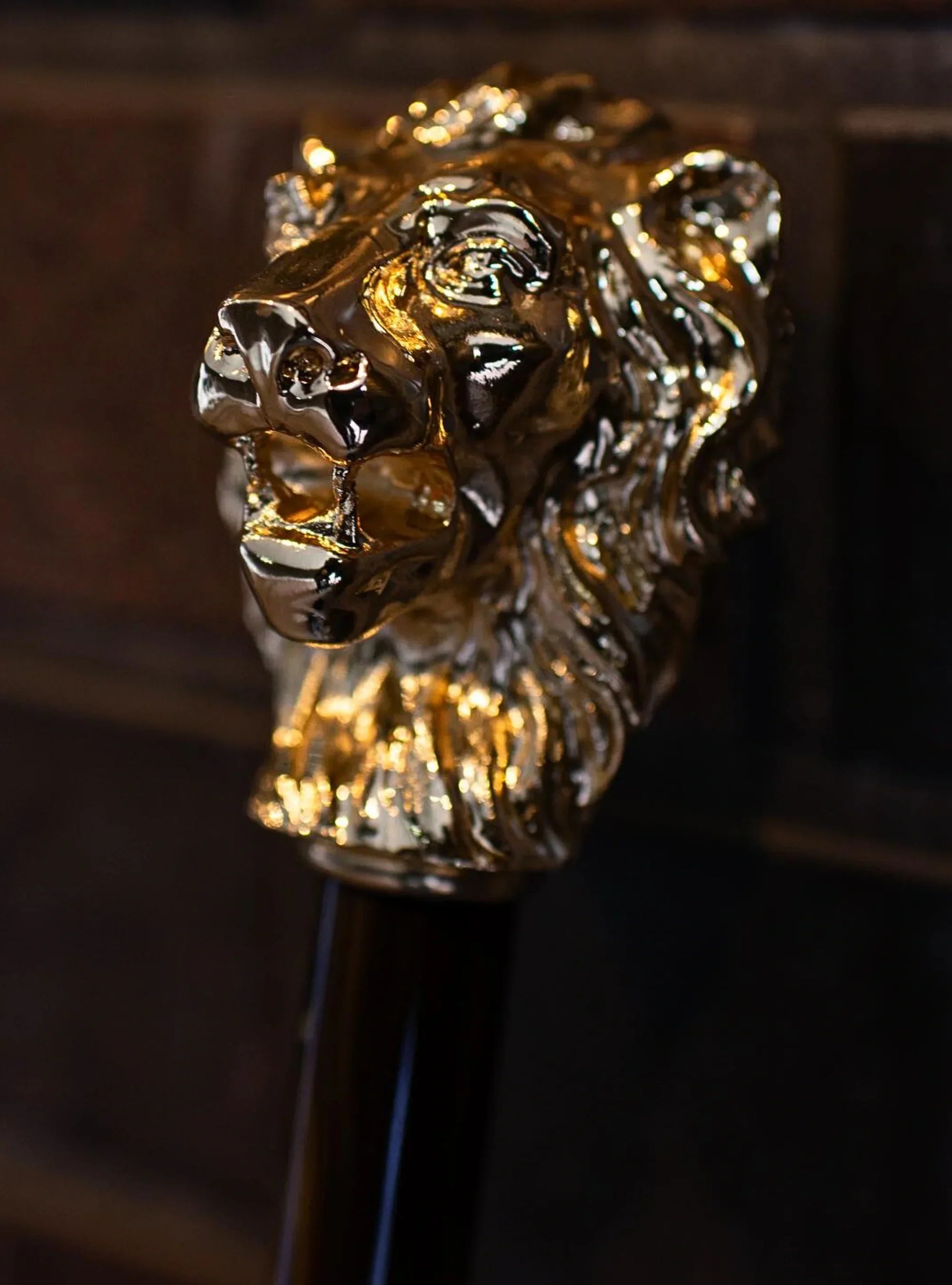
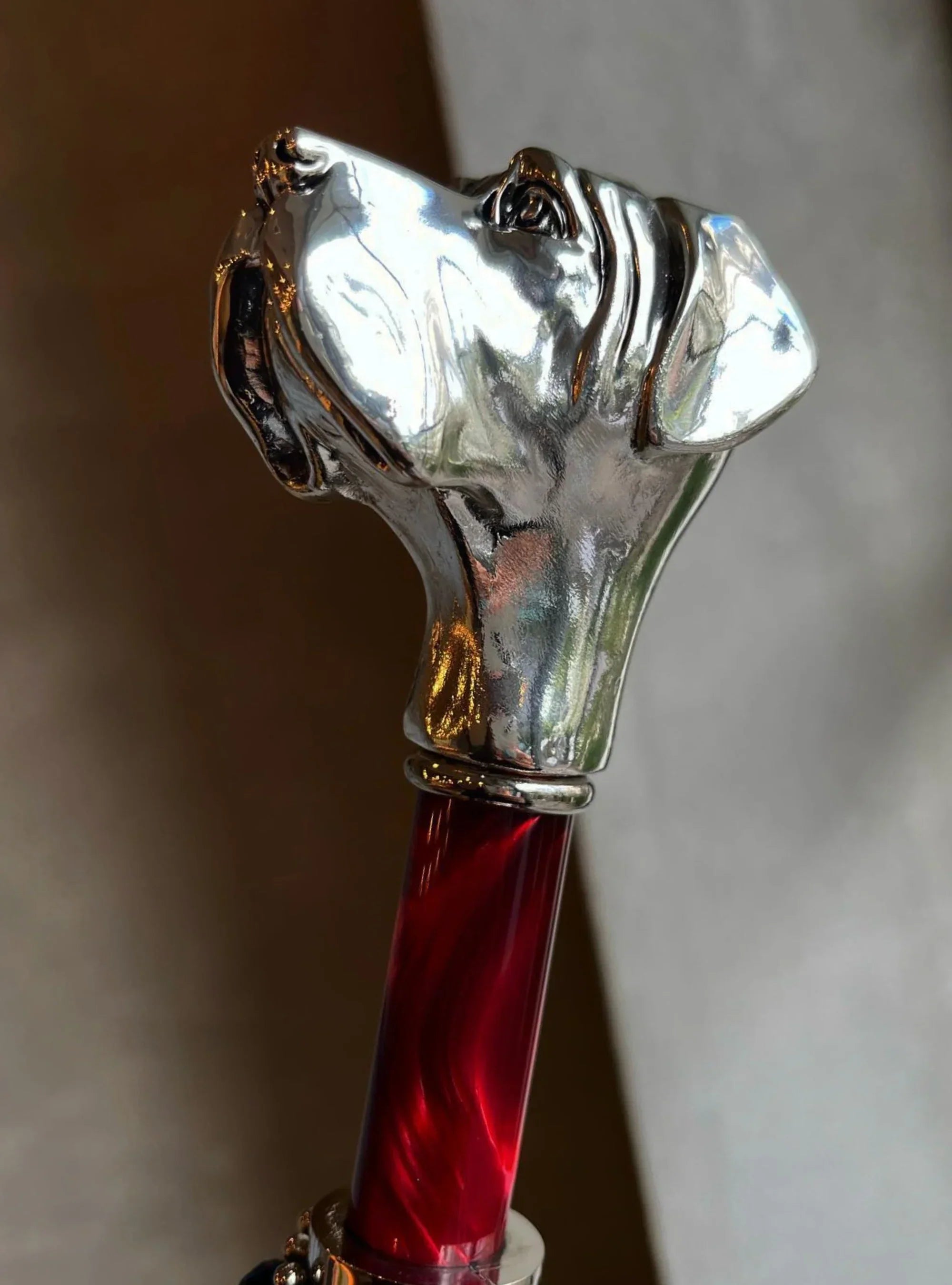
The handle is probably the strongest identity element of any umbrella.
It changes the personality immediately.
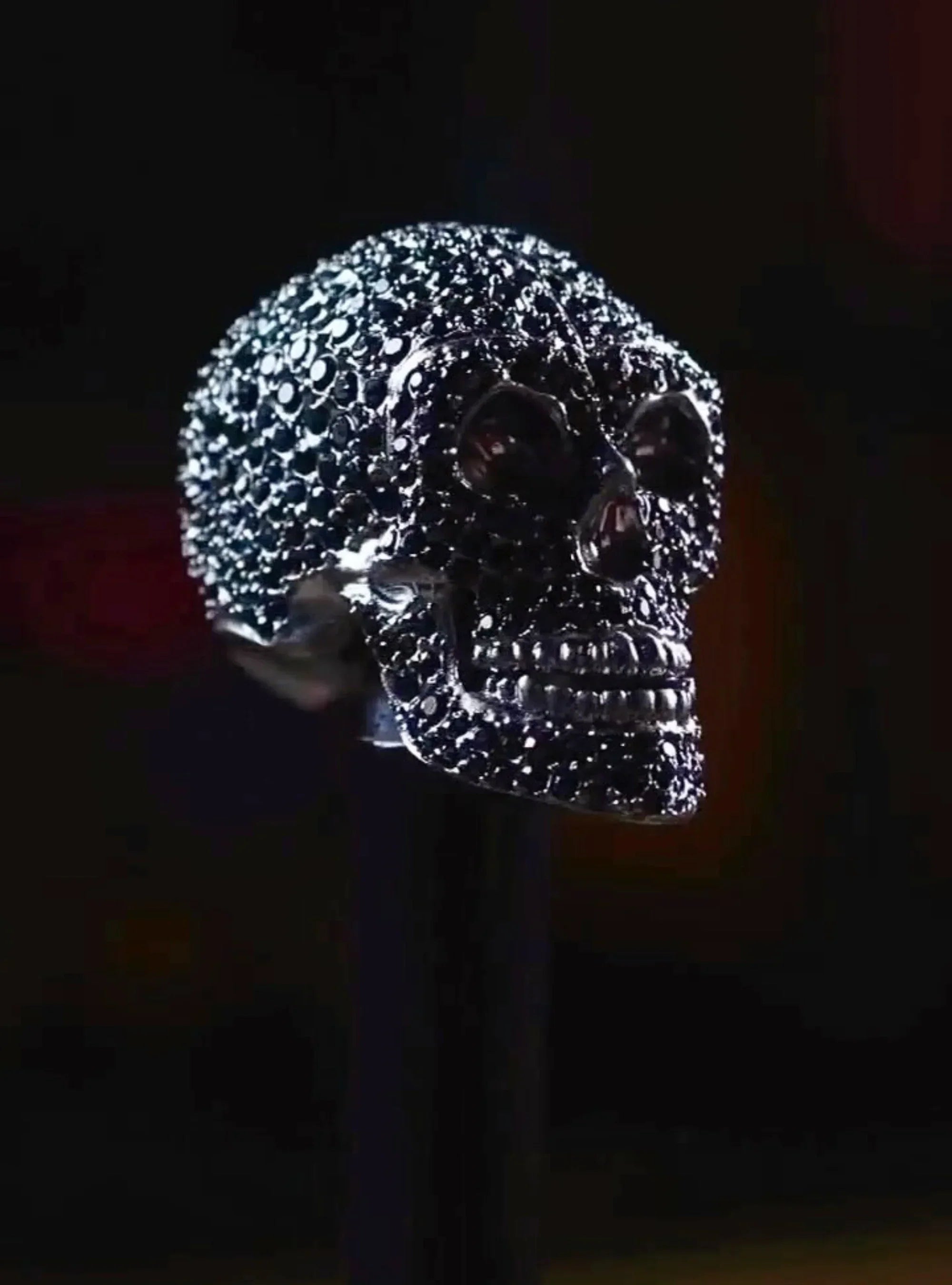
Curved wooden handles feel traditional, almost ceremonial in certain designs. Straight handles often feel more modern and architectural. Some handles emphasize texture and warmth, while others prioritize minimal precision.
The interesting thing is that people notice handles instinctively before they understand why.
It’s the first physical connection between the object and the user.
So the emotional tone begins there.
Canopy shape matters more than I expected too.
Some umbrellas create a deep rounded silhouette that feels classic and protective. Others use flatter, sharper geometries that appear cleaner and more contemporary.
The difference isn’t only visual.
It changes movement.
Rounded canopies soften the object visually in crowded streets or formal settings. Sharper canopies feel more structured and graphic against urban architecture.
Even in motion, design changes atmosphere.
Fabric tension is another signature detail people rarely talk about.
Poorly designed umbrellas often look slightly tired even when brand new. The canopy wrinkles unevenly, shifts in wind, or loses structure over time.
A refined umbrella maintains visual tension.
The fabric sits cleanly across the frame, creating a sense of order even during bad weather. That consistency makes the entire object feel calmer and more intentional.
You notice it subconsciously.
Frame construction creates a different kind of elegance.
Some umbrellas open aggressively with sharp mechanical force. Others unfold smoothly, almost quietly. The sound, resistance, and balance of the mechanism all shape perception.

Good mechanics create confidence.
Not because they attract attention, but because they remove friction from the experience entirely.
That absence of struggle feels luxurious in ways flashy details never do.
Color choices reveal design philosophy immediately too.
Classic umbrellas often rely on deep restrained tones because they integrate naturally into formal wardrobes and city environments. But some modern designs use muted earth tones, subtle textures, or understated patterning to create individuality without becoming visually chaotic.
The strongest designs understand balance.
Too neutral becomes forgettable.
Too expressive becomes difficult to live with daily.
Material contrast is another signature element I’ve grown to appreciate.
Wood against metal. Matte fabric beside polished hardware. Soft textures paired with precise construction. These combinations create depth without needing decoration.
And honestly, many of the best umbrellas avoid excessive ornament entirely.
They trust proportion and material quality enough to carry the design alone.
That restraint feels increasingly rare now.
One detail I became oddly sensitive to is scale.
Some umbrellas feel oversized and dominant, almost disconnected from the person carrying them. Others feel too compact to create visual presence at all.
The best proportions create harmony with the body and clothing around them.
That’s why certain umbrellas feel elegant even before you consciously analyze their design.
Their scale simply feels resolved.
I also think signature design appears through aging.
Cheap umbrellas usually deteriorate visibly and unevenly. Better designs age more gracefully. Wood handles develop character. Fabric softens subtly. Mechanisms retain confidence longer.
The umbrella begins collecting atmosphere from repeated use instead of simply wearing out.
That difference changes emotional attachment over time.
What surprised me most is that umbrella design influences mood.
Rain changes behavior already—pace, posture, movement through the city. Carrying a thoughtfully designed umbrella somehow softens the irritation of bad weather. The experience feels more composed, more intentional.

Not because the rain disappears.
But because the object interacting with it feels stable and considered.
Now, when I look at umbrellas, I pay attention to completely different things than I used to.
The line of the canopy.
The balance of the handle.
The tension of the fabric.
The movement of the frame opening.
Because signature design elements aren’t really about decoration alone.
They’re about how an ordinary object transforms routine moments into experiences that feel quieter, smoother, and strangely more personal.
And honestly, that’s what good design usually does best.
Share:
Best Luxury Umbrellas for Business Style
Common Mistakes That Damage Umbrellas