


A materials case study from the Artisan Umbrellas workshop, built on ten years of frame failure data.
We have opened, closed, and stress-tested every frame that comes through our workshop. The umbrella that survives a decade and the umbrella that dies in eighteen months are not separated by price — they are separated by three specific construction decisions, and most buyers never learn what they are before the purchase.
This is not a buying guide written by a copywriter who has never held a rib joint under load. It is a breakdown of what we measure on our own bench, and the math that makes a $400 umbrella the cheaper purchase.
Luxury Umbrella Investment Guide: Which Features Hold Value Over Time?
The Real Cost-Per-Use Model
Treat an umbrella like what it is: a piece of equipment with a duty cycle. Here is the model we use internally.
On paper, the disposable option wins by $13.30 a year. The model breaks the moment you introduce failure frequency and repairability — the two variables most buyers ignore entirely.

What the $40 model doesn't account for
- Failure rate compounding: "18 months" is an average, not a guarantee. Field data on stamped-alloy frames shows first-storm failure rates as high as 30% in sustained wind above 40 km/h.
- Zero repair value: A glued or molded frame cannot be economically repaired. One broken rib ends the product's life.
- Replacement friction: Every failure is a re-purchase decision, a re-shipping cost, and — for anyone using an umbrella as a daily-carry accessory — a repeated appearance downgrade.
Once you weight for a single storm failure inside 18 months (the realistic scenario, not the marketing scenario), the disposable umbrella's true annual cost climbs above $35 — and the artisan piece, which we typically re-canopy once at year six for roughly $80, drops to closer to $48 a year averaged over a full decade of use, dropping further in years 7 through 10.
The Three Features That Actually Determine Lifespan
Canopy pattern and color get the marketing attention. They are not why umbrellas die. In our workshop, frame metallurgy, joint construction, and canopy fabric weave account for nearly every failure we see on the repair bench.
1. Frame Metallurgy
Stamped alloy ribs bend under sustained wind load and do not return to shape — one gust and the frame is cosmetically and structurally compromised. Hand-forged or cold-drawn steel ribs, the kind used across the Artisan Umbrellas frame collection, flex and recover. This is the single largest predictor of whether an umbrella survives its first real storm.
2. Joint Construction
This is the detail almost no product page discloses. Glued joints are a manufacturing shortcut — cheaper, faster, and permanent in the worst sense: when they fail, the umbrella is unrepairable. Riveted or pinned joints can be individually replaced by a craftsman for the life of the frame. Every Artisan Umbrellas frame is built on mechanically joined ribs specifically so that a failed component is a repair, not a replacement.
3. Canopy Fabric Weave
Coated polyester delaminates under UV exposure within two to three seasons of regular use — the coating separates from the fiber and the fabric stops shedding water. Tightly woven pongee or Italian-milled fabrics resist this because the water resistance is in the weave density, not a surface coating that wears off.

Feature-by-Feature Value Retention
| Feature | Disposable Standard | Value-Retaining Standard | Typical Lifespan Impact |
|---|---|---|---|
| Frame ribs | Stamped alloy | Hand-forged / cold-drawn steel | 3–4x wind-load survival |
| Joint type | Glued | Riveted / pinned, repairable | Enables indefinite service life |
| Canopy fabric | Coated polyester | Tightly woven pongee / milled cloth | 2–3x UV and water resistance |
| Shaft material | Hollow aluminum | Solid hardwood or reinforced core | Resists warping and torque failure |
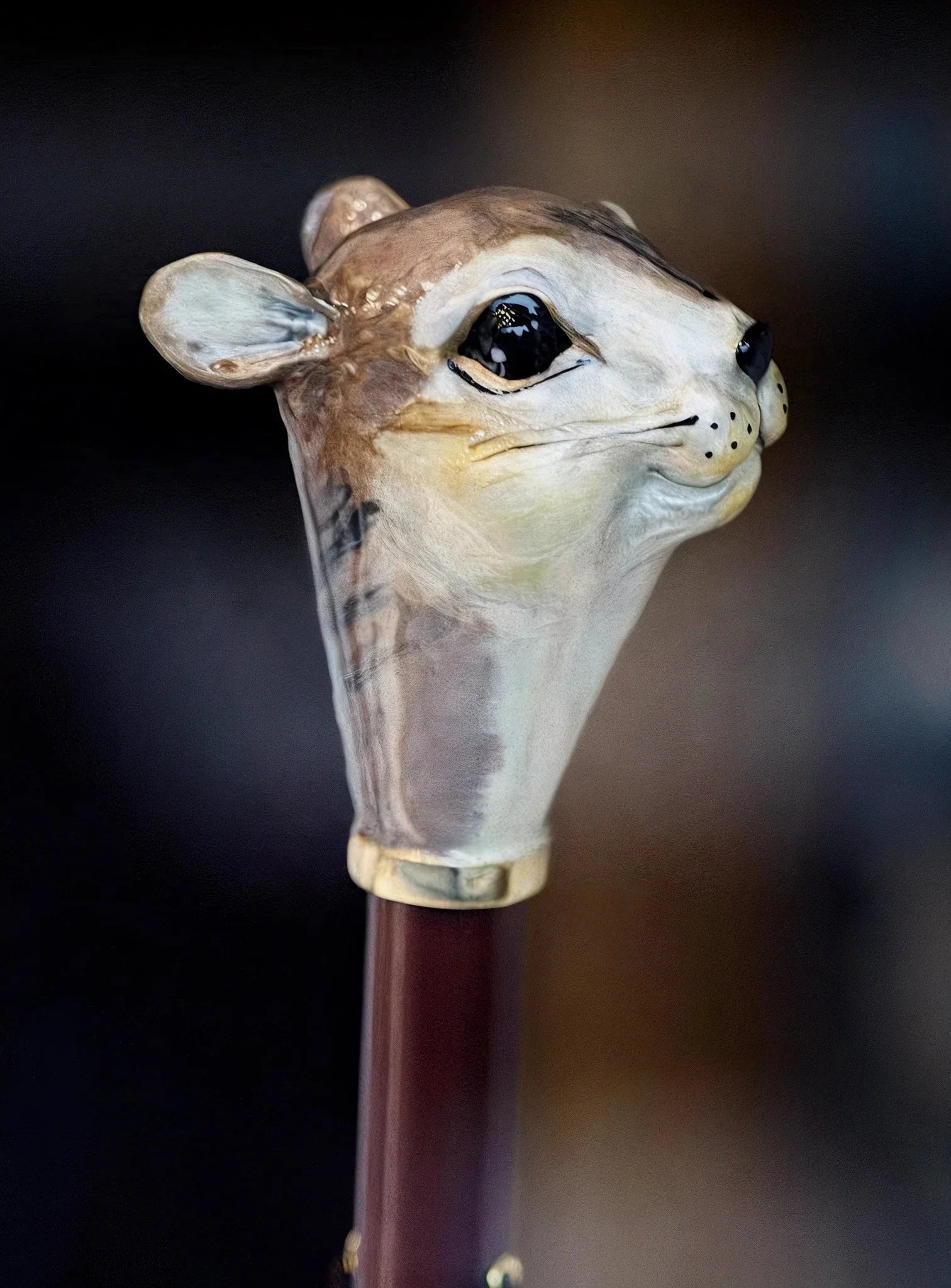
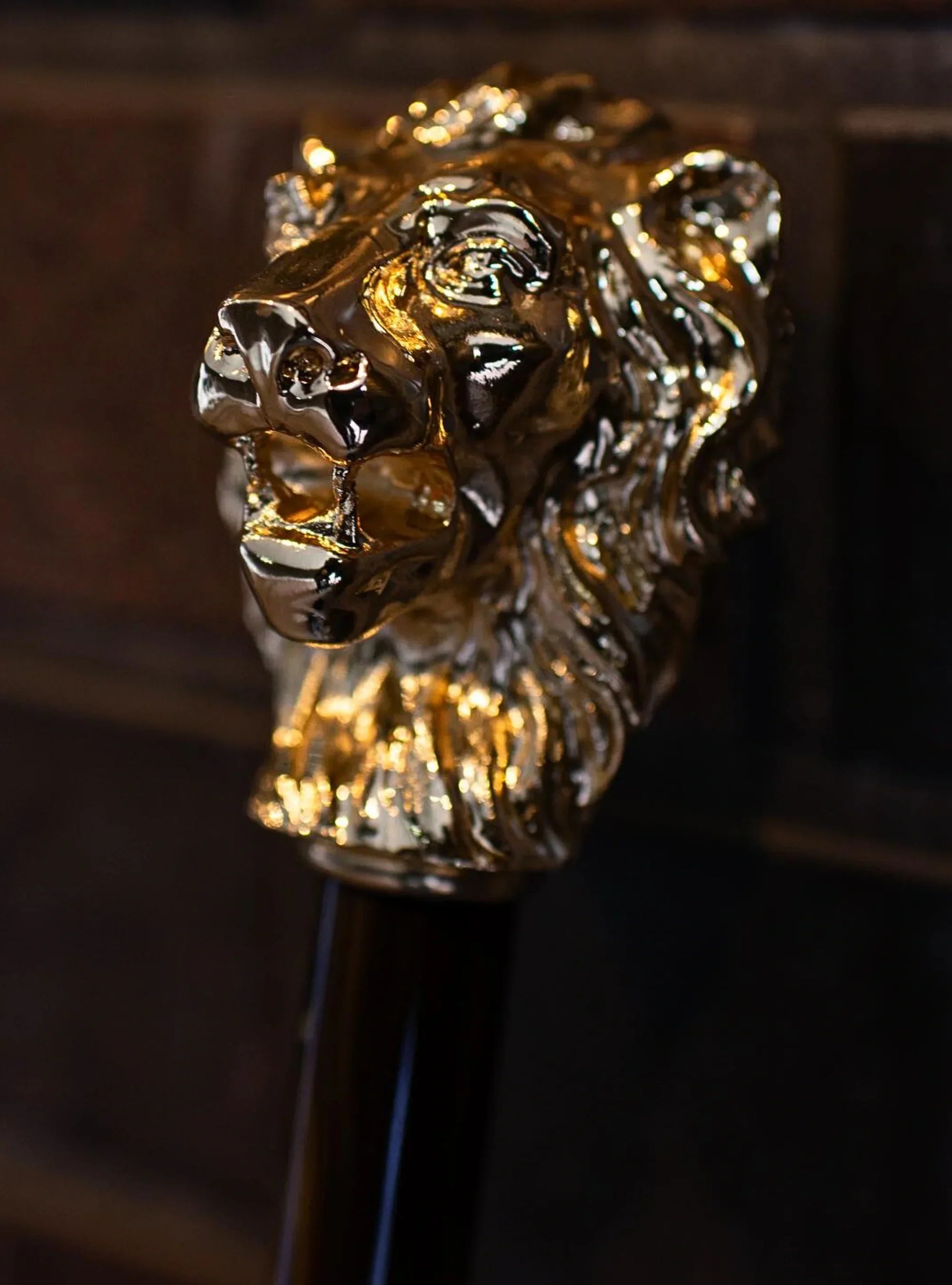
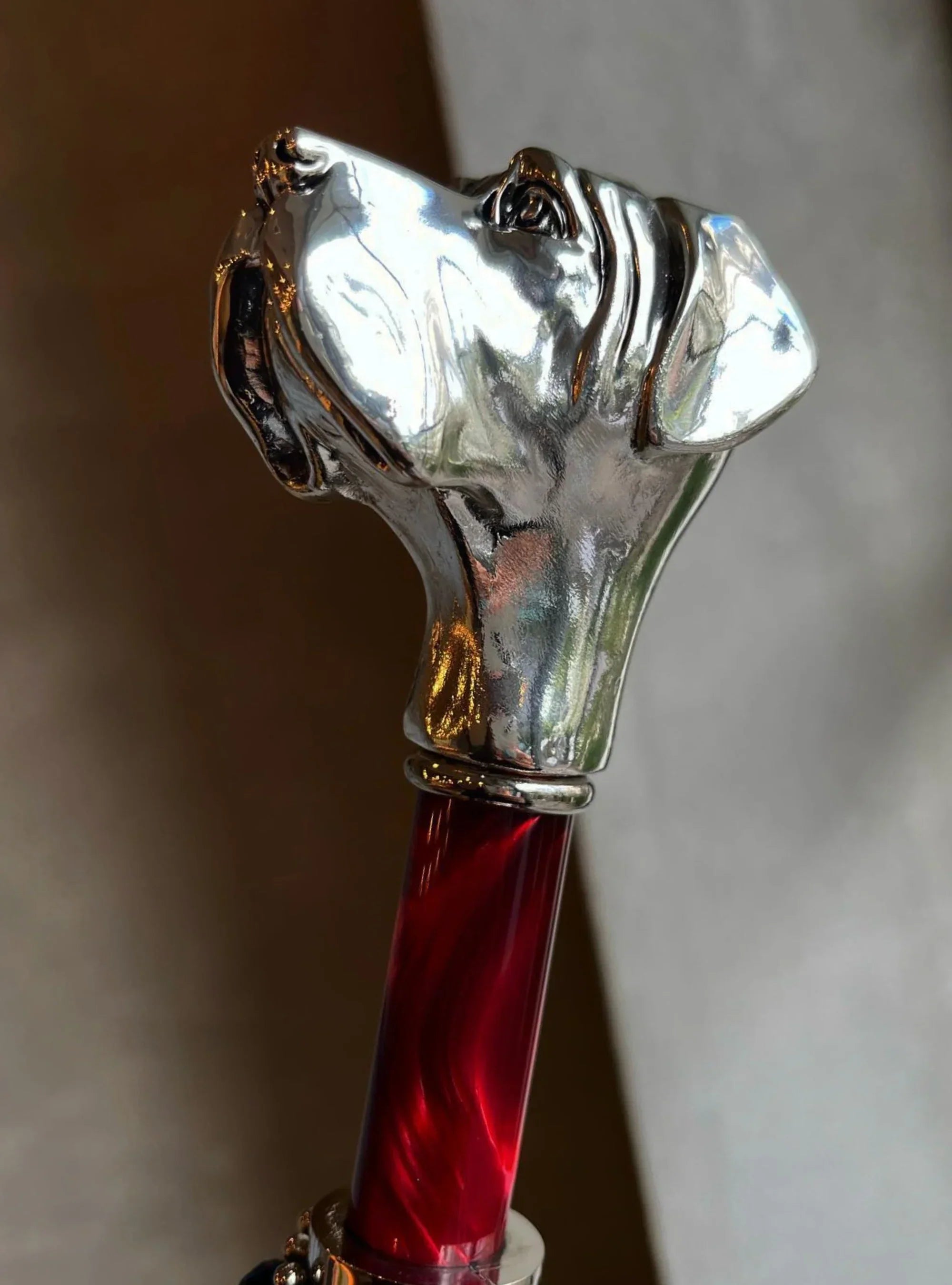
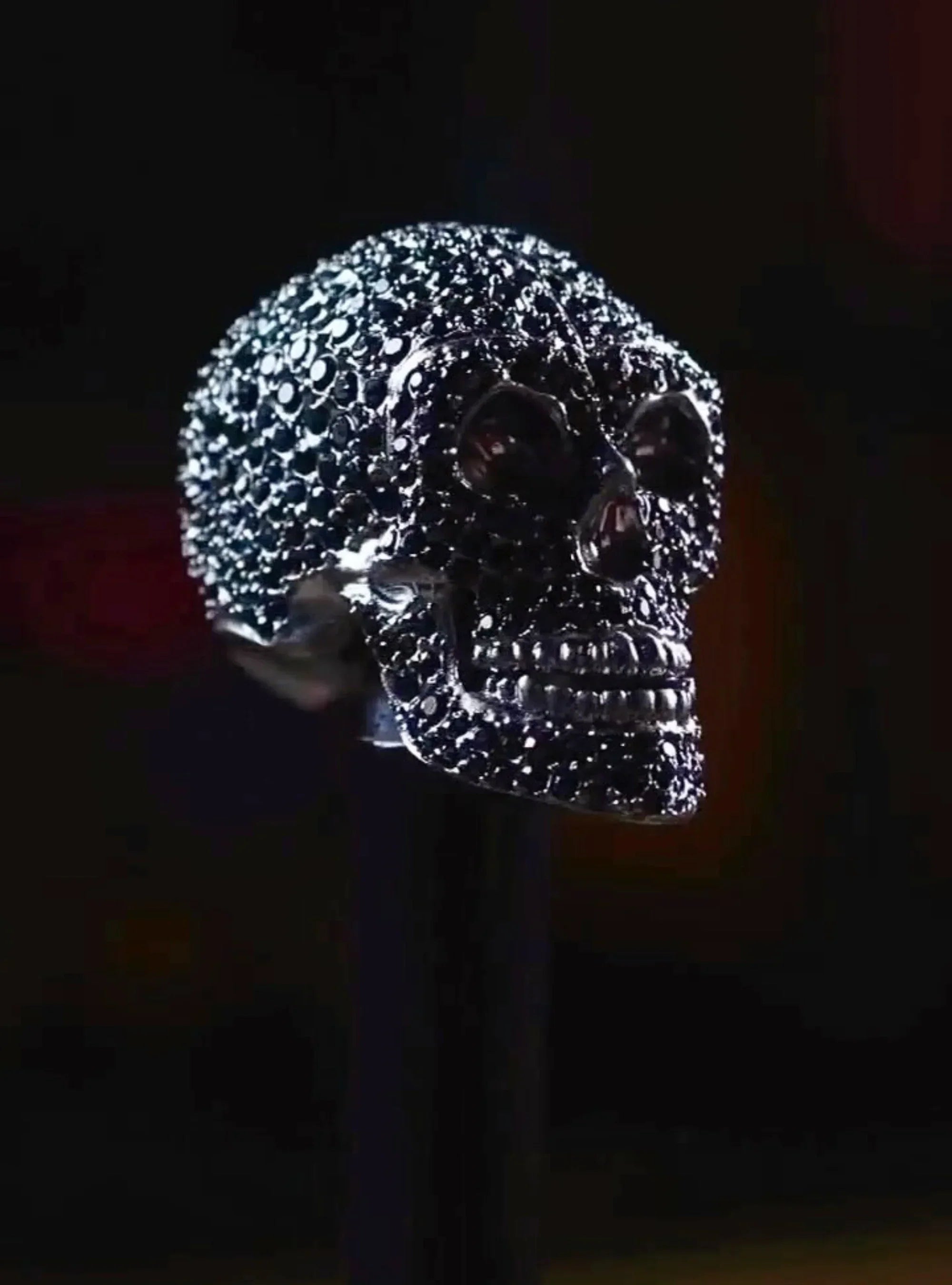
| Handle | Molded plastic | Leather-wrapped or hand-turned wood | Improves with age, not replaced |
Every one of these standards on the right side of that table is a baseline spec across the Artisan Umbrellas collection — not an upgrade option. It is the starting point for what we build.
The exact rib gauge, joint tolerance, and fabric thread count we build to — along with the full repairability matrix by model — are documented on each product's technical specification page.

What "Heritage of Materials" Actually Means?
Status-symbol luxury is a logo on a disposable frame. Material heritage is different: it means the object was built by someone who has to stand behind it when it fails, using materials chosen for performance under load rather than shelf appeal.
A hand-turned chestnut shaft develops patina, not fatigue cracks. A leather handle molds to a grip over years of use — plastic just wears smooth and starts to crack. This is the difference between an object that ages and an object that merely degrades, and it is the entire premise our workshop is built on.
The Buying Signal Most People Miss
- Ask about the joint, not the canopy. Canopy fabric is the easiest thing to photograph and the least predictive of lifespan.
- Ask if individual parts are replaceable. If the answer is no, you are buying a single-use object regardless of price.
- Ask for the rib material by name. "Reinforced" and "aviation-grade" are marketing terms with no fixed spec. "Cold-drawn steel" or "hand-forged" are verifiable claims.
Share:
The Real Cost of a Handcrafted Luxury Umbrella: Where Your Money Actually Goes
How to Evaluate an Umbrella Artisan: A Buyer's Due Diligence Checklist?