

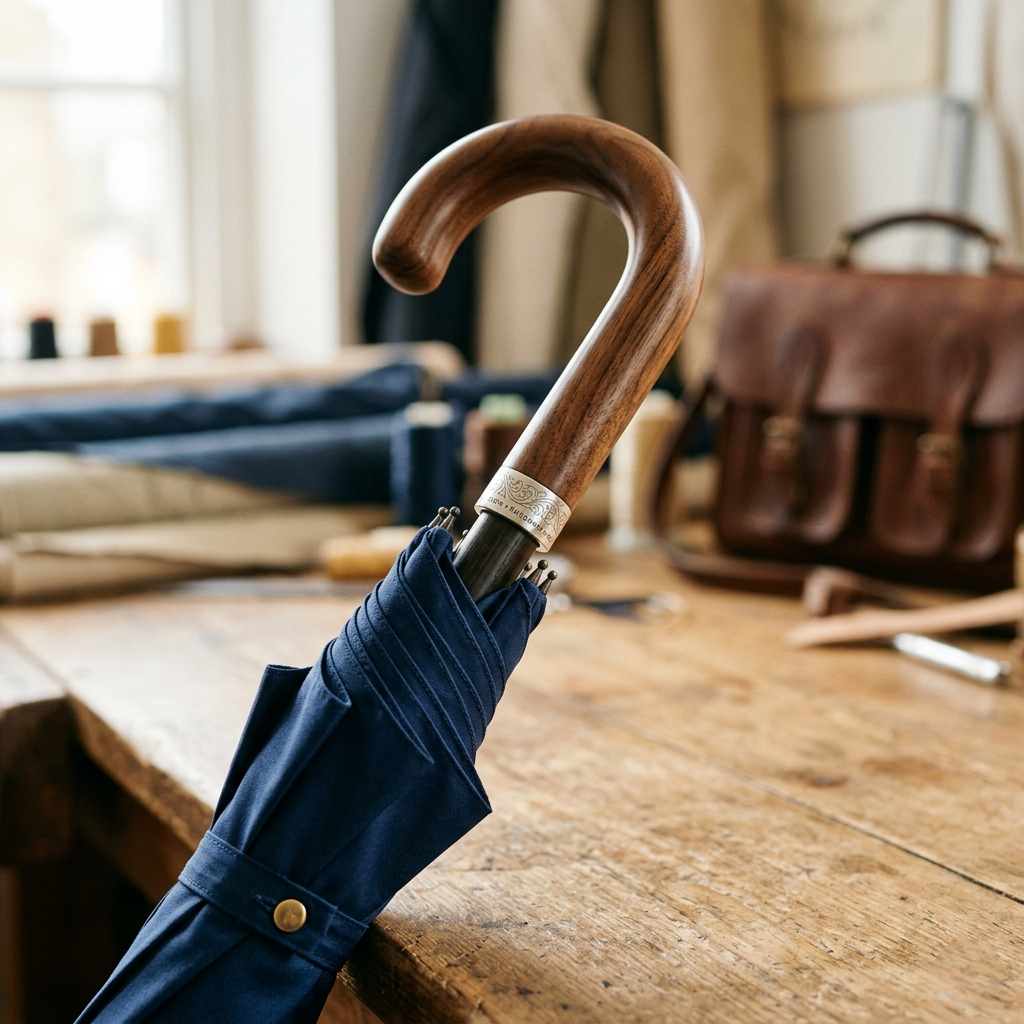
I didn’t expect an umbrella to feel personal.
It arrived on a quiet afternoon, wrapped more carefully than most things I had ordered. Not extravagant, not trying too hard—just deliberate. I remember pausing before opening it, noticing the weight of the package, the way it didn’t shift loosely inside. There was already a sense that someone, somewhere, had taken their time.
When I finally unwrapped it, the first thing I noticed wasn’t how it looked, but how it felt.
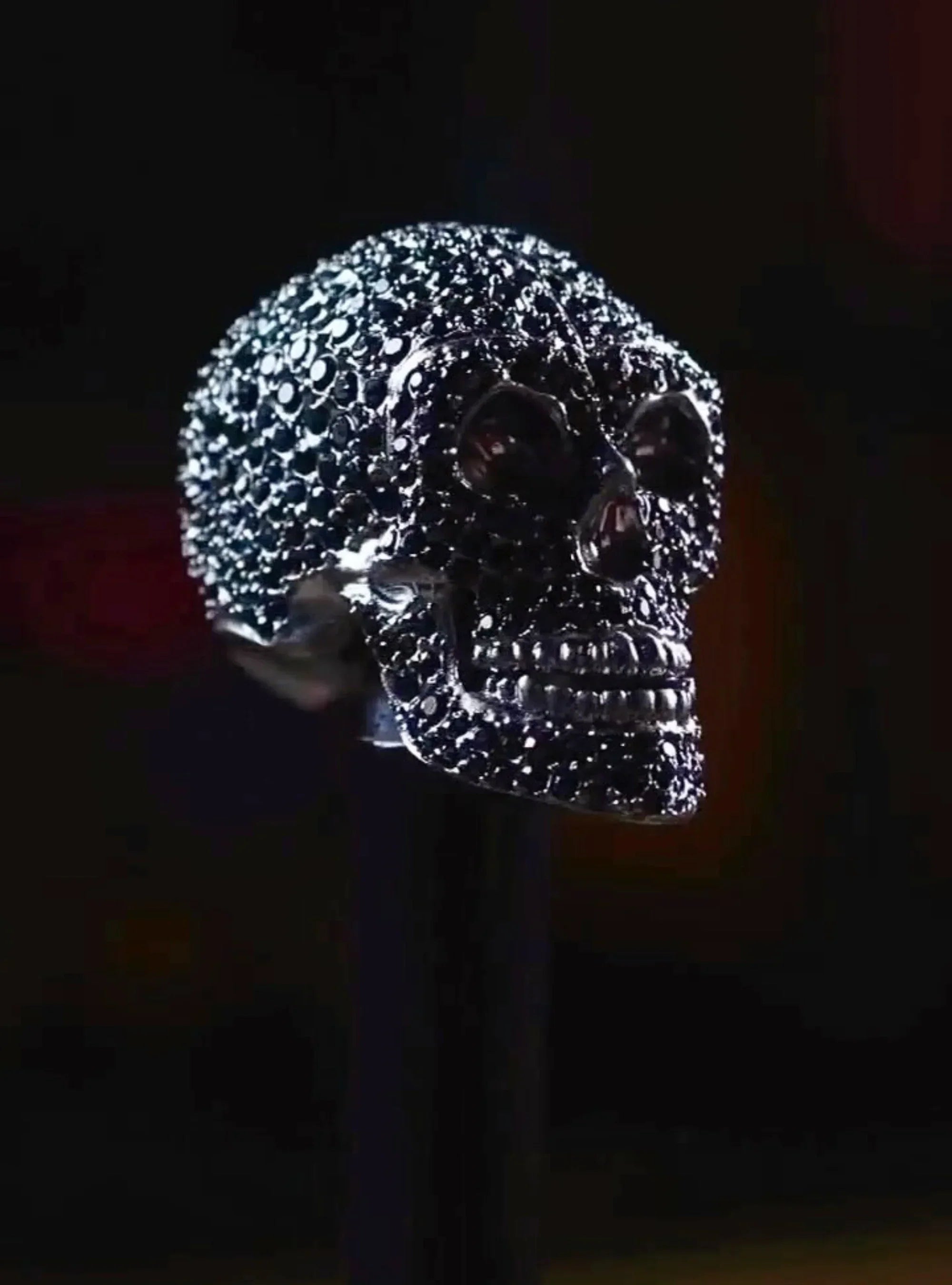
The handle was smooth but not perfect. There were tiny variations in the surface—subtle, almost invisible unless you were looking for them. It didn’t feel manufactured. It felt… shaped. The kind of difference you don’t fully understand until you hold it.

That was the moment I realized this wasn’t just an umbrella.
It was a gift, yes—but more than that, it carried intention in a way I hadn’t expected.
I’ve received plenty of gifts over the years. Some expensive, some practical, some thoughtful in their own way. But most of them fade into the background over time. They become part of the routine, useful or decorative, but rarely meaningful beyond the moment they’re given.
This felt different.
Not because it was luxurious, but because it was handmade.
There’s something about handmade objects that resists indifference. You can sense the time in them—not in a romanticized way, but in the small decisions that shape the final result. The way the fabric is stretched. The balance of the frame. The slight individuality in the handle.
It doesn’t feel replaceable.
And that changes how you relate to it.
I remember the first time I used it in the rain. It wasn’t dramatic—just a steady drizzle on an ordinary day. But I was more aware of the experience than usual. The sound of rain hitting the canopy felt softer, more contained. The handle sat comfortably in my hand, not slipping, not demanding adjustment.
It felt… reliable, but also personal.
That’s a difficult combination to describe.
Most umbrellas I’ve owned before were functional. They did their job, more or less, until they didn’t. If one broke, I replaced it without thinking twice. There was no attachment, no hesitation.
This one was different from the beginning.
I found myself being more careful with it. Not out of fear of damaging something expensive, but out of respect for the effort behind it. It made me more aware of how I used it—where I placed it, how I closed it, even how I carried it when the rain stopped.
It introduced a kind of mindfulness I didn’t expect.

And I started thinking about the person who gave it to me.
That’s where the emotional value really settled in.
A handmade luxury gift isn’t just about the object itself. It’s about the decision to choose something that carries meaning. It says, in a quiet way, “I didn’t just pick something convenient. I chose something that lasts.”
There’s weight in that choice.
It also made me reflect on how we define luxury.
For a long time, I associated luxury with perfection—flawless finishes, uniform design, objects that look the same no matter where you find them. But this umbrella challenged that idea. Its value wasn’t in perfection. It was in individuality.
The small irregularities didn’t feel like flaws. They felt like signatures.
That shift in perspective stayed with me.
I began noticing similar qualities in other handmade items—the way they age, the way they adapt to use, the way they carry subtle marks of time without losing their identity. There’s a kind of quiet resilience in that.
And it’s something mass-produced objects rarely achieve.
Of course, not everything about handmade luxury is ideal.
There’s a certain fragility—not always physical, but emotional. You become more attached, which means there’s more at stake. Losing it would feel different. Damaging it would feel personal in a way that’s hard to explain.
It also requires a different kind of care.
You don’t just toss it aside or forget about it. You maintain it, pay attention to it, treat it as something that deserves a bit more consideration. That’s not always convenient, especially in a fast-paced routine.
But maybe that’s part of its value.
It slows you down, just slightly.
There’s also the question of practicality. A handmade umbrella might not always be the most compact or the easiest to carry. It might not fit seamlessly into every situation. But it offers something else in return—a sense of presence.
It doesn’t disappear into the background.
And that’s where it becomes more than just a functional object.
It becomes a reminder.
Of the person who gave it to you. Of the moment you received it. Of the intention behind it. These things don’t fade as quickly when they’re tied to something tangible, something you use regularly.
Every time it rains, you remember—without trying.

That’s a rare quality in a gift.
So who is this really for?
Not for someone looking for convenience above all else. Not for someone who prefers things that can be easily replaced without thought.
It’s for those who value meaning over efficiency. For people who notice small details, who appreciate objects that carry a story, even if that story is quiet.
Would I recommend a handmade luxury umbrella as a gift?
Yes, but not casually.
It’s not the kind of gift you give without thinking. It works best when there’s already a connection, when the gesture itself carries weight. Because the object will hold that meaning long after the moment has passed.
And that’s the real difference.
Some gifts are remembered.
Others are used.
But the rare ones—like this—become part of how you experience ordinary days, quietly reminding you that even something as simple as an umbrella can carry more than just protection from the rain.
Share:
Business Style with Umbrellas
Coordinating Colors of Umbrellas with Wardrobe