

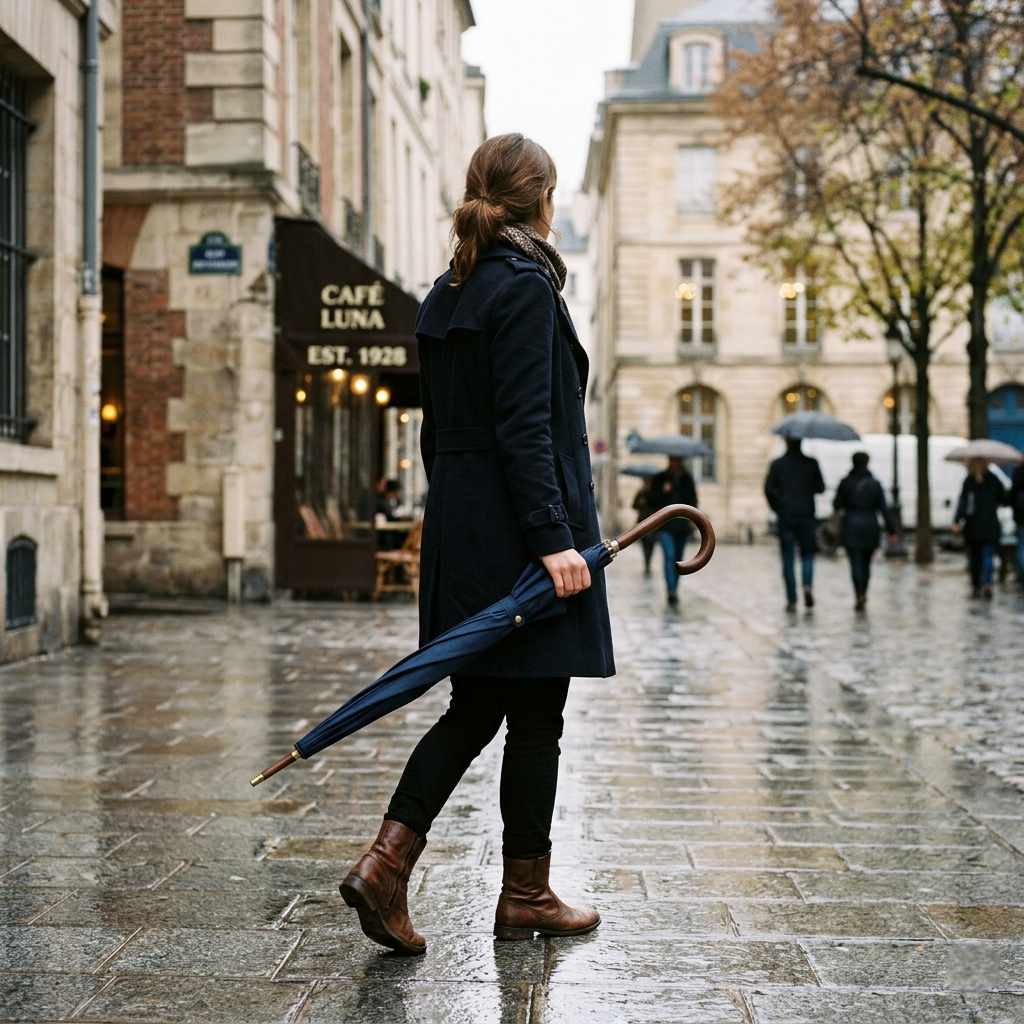
I used to think the “best” umbrella was simply the one that kept you dry.
That seemed practical enough. If it opened quickly, blocked the rain, and survived a windy walk, it had done its job. Style felt secondary—almost unnecessary. An umbrella was just something you carried, not something you chose.
But that changed the first time I carried one that actually felt like part of what I was wearing.
It wasn’t dramatically different. The rain was the same, the streets were the same, but the umbrella had weight, structure, presence. The handle felt intentional in my hand. The canopy shape looked balanced above me. And for the first time, I noticed that an umbrella could contribute something to personal style instead of simply interrupting it.

That moment changed the way I saw them.
Because the best umbrella for your style isn’t just about protection.
It’s about compatibility.
The first thing I learned is that umbrella style begins with silhouette.
A full-length umbrella creates a very different impression than a compact folding one. The longer shape feels composed, almost architectural. It has presence even when closed. It adds structure to your overall appearance in a way that feels deliberate.
A folding umbrella feels different.
It prioritizes convenience, adaptability, movement. It disappears into a bag, becomes part of your routine, and asks less of your outfit visually. That simplicity can be an advantage, especially if your style is understated.
Neither is better.
They just express different things.
I remember carrying a structured full-length umbrella with a tailored coat one rainy morning. The outfit felt balanced in a way I hadn’t expected. The umbrella wasn’t an accessory in the usual sense, but it completed the vertical lines of the coat, adding a kind of visual continuity.
That’s when I realized that proportions matter.
An umbrella that echoes the shape and structure of what you’re wearing feels natural. One that contradicts it can feel oddly disconnected, even if you can’t immediately explain why.
Handle design surprised me too.
At first, I thought it was purely functional. Straight handles felt simple, curved handles felt traditional, and that seemed like the end of it.
But the handle changes the character of the umbrella more than the canopy does.
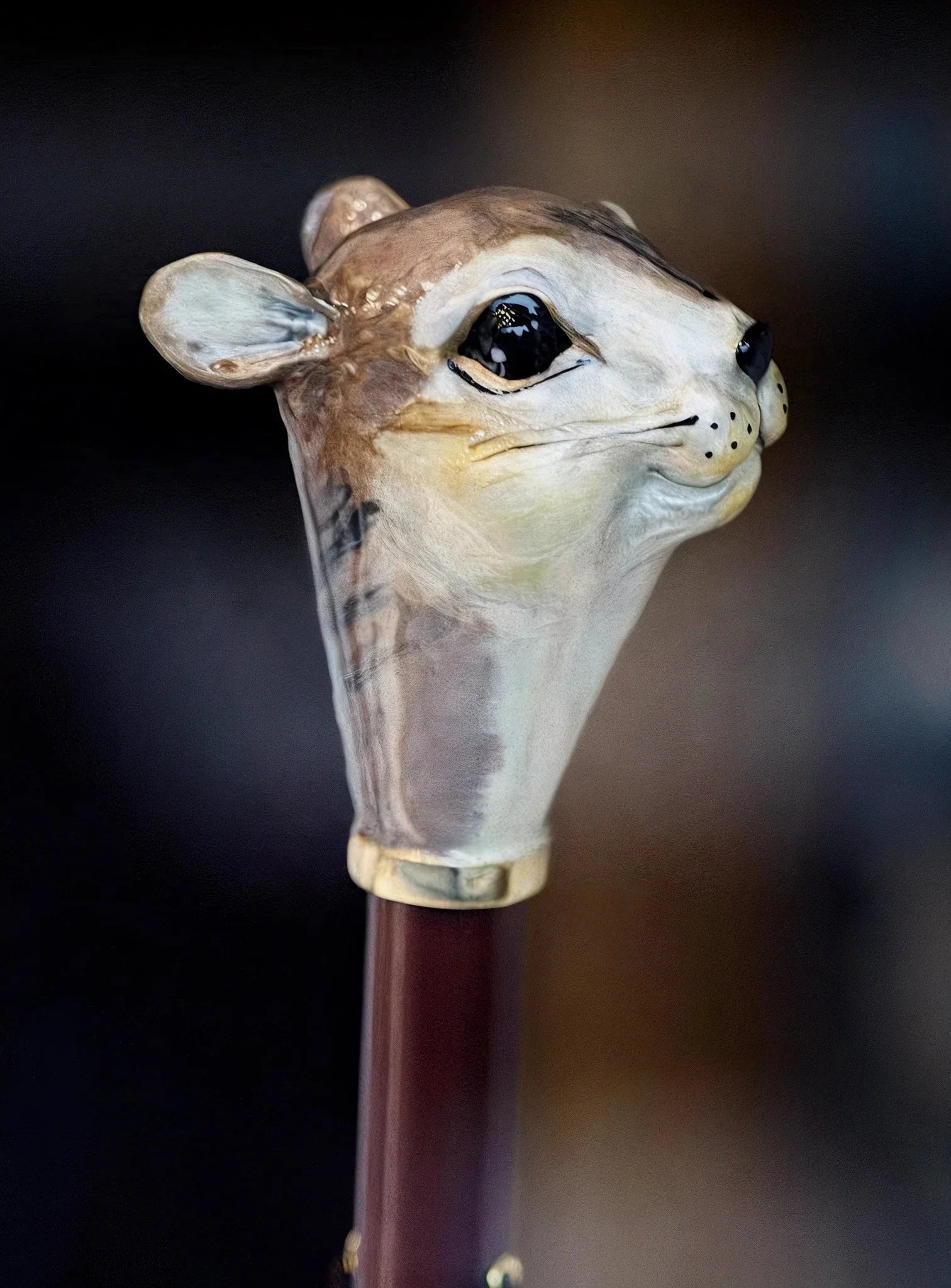
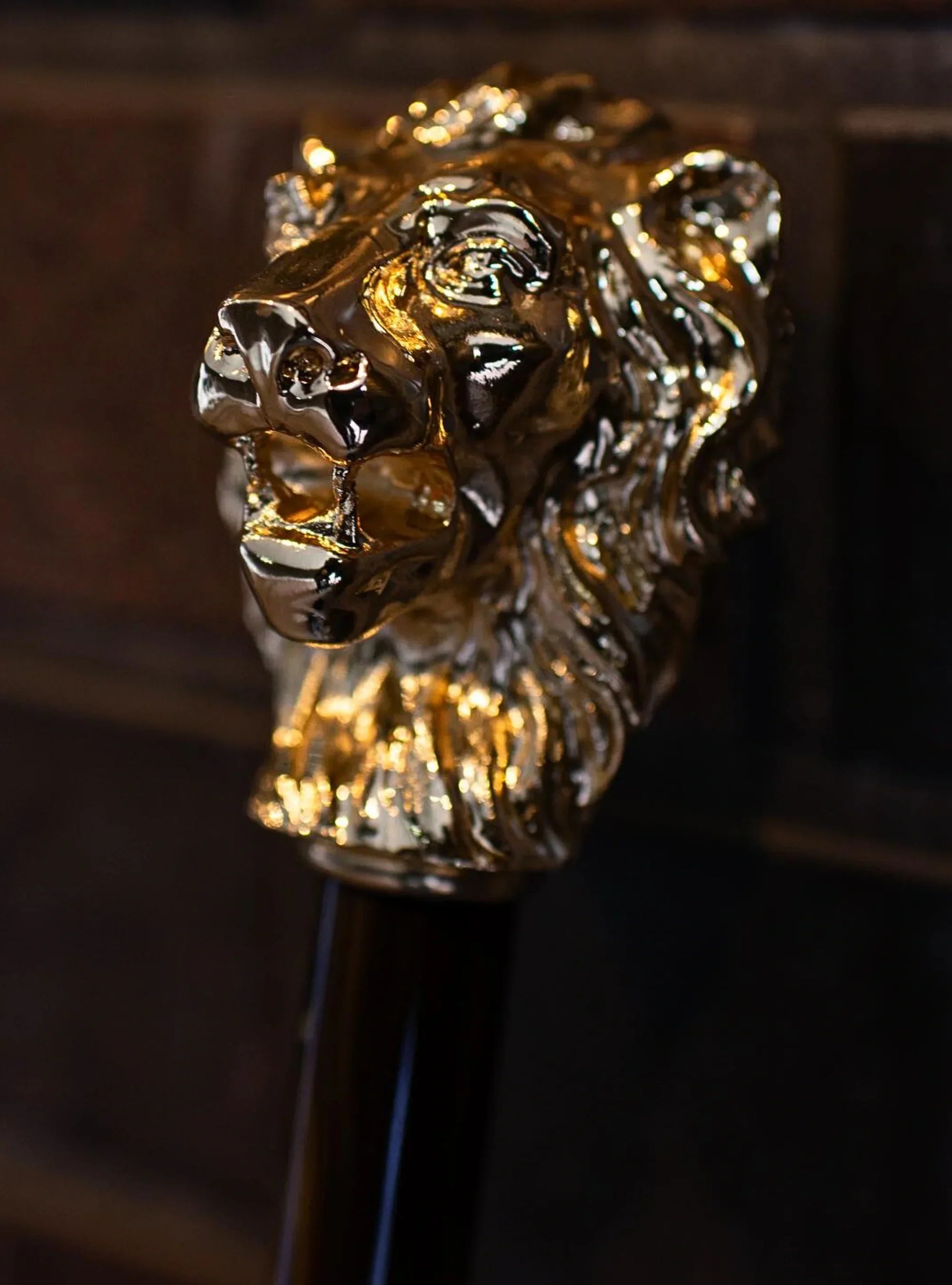
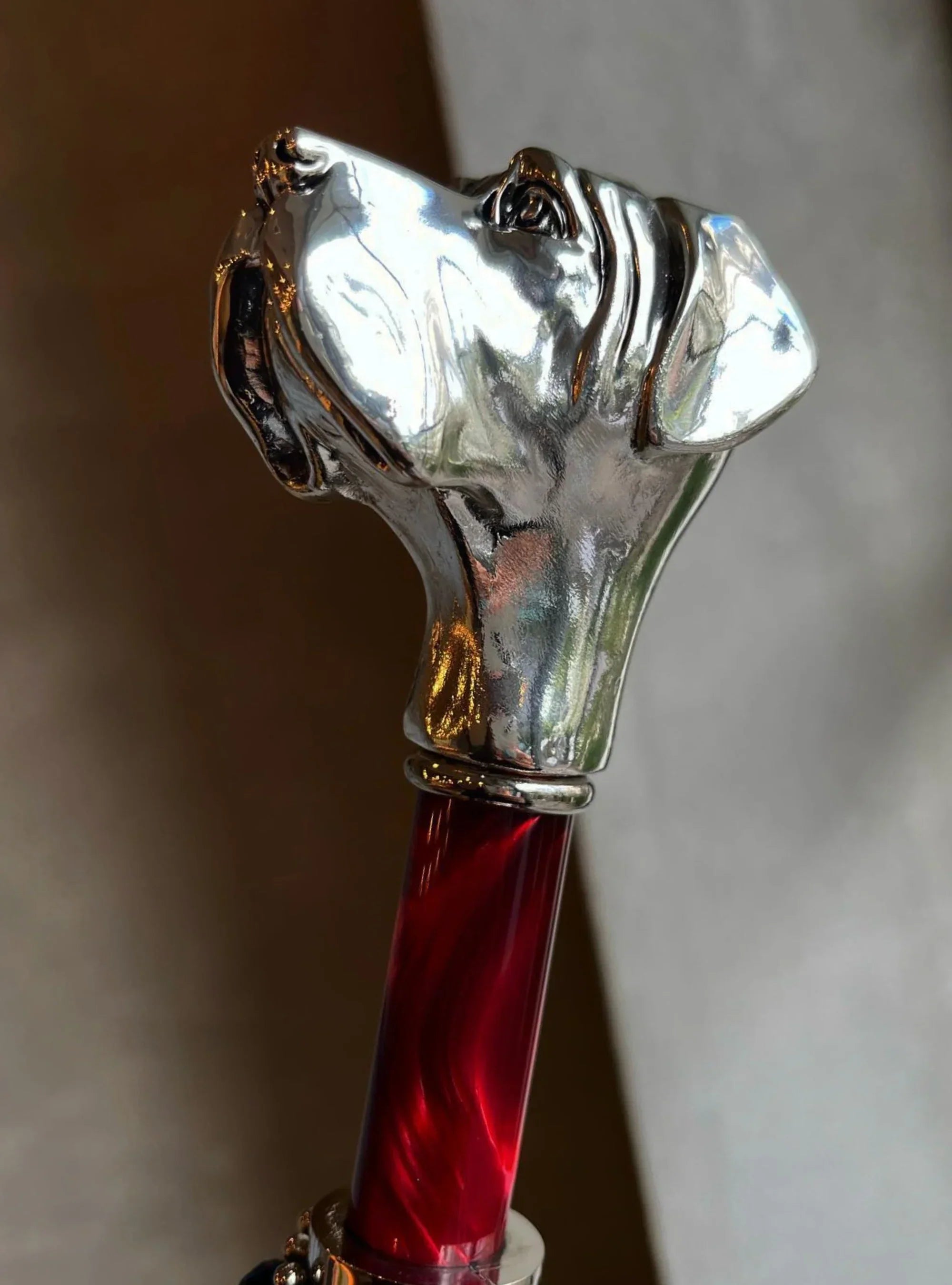
A curved wooden handle feels classic, almost ceremonial. It introduces warmth and familiarity. A straight handle feels cleaner, more modern, more restrained. Even the material matters—wood feels softer and more expressive, while metal or leather tends to feel sharper and more minimal.

These are small details.
But style often lives in small details.
Color is where most people overthink things.
I used to believe the best umbrella for style had to “stand out.” Something distinctive, something visually striking. But the umbrellas that felt most natural were often the quietest ones.
Deep neutrals. Muted tones. Colors with presence, but not noise.
They didn’t demand attention.
They integrated.
That’s what made them stylish.
A bold umbrella can work, of course. But it changes the role of the umbrella from supporting element to focal point. That can be effective if the rest of your style leaves room for it.

But if everything is competing, nothing feels intentional.
I learned that the hard way.
I once carried an umbrella that looked impressive on its own but felt disconnected from everything else I wore. It was eye-catching, but not cohesive. Instead of completing the look, it interrupted it.
That’s when I understood that style isn’t about visibility.
It’s about harmony.
Materials matter in a similar way.
Some umbrellas feel light, almost disposable, even if they look elegant. Others have a certain density to them—a steadiness that changes how they feel to carry.
That physical sensation affects perception.
When an umbrella feels solid in the hand, it communicates confidence. When it feels flimsy, no amount of design can fully compensate.
And because an umbrella is something you actively hold, that feeling becomes part of the experience.
Durability is part of style too, though people rarely think of it that way.
An umbrella that bends easily, shifts in the wind, or feels unstable changes how you carry yourself. You become cautious with it, less relaxed. That uncertainty shows.
A well-made umbrella disappears in use.
It allows you to move naturally, which makes everything feel more composed.
That’s why the best umbrella for your style isn’t only about appearance.
It’s about how confidently it functions.
Over time, I realized that the right umbrella should reflect the same qualities as the rest of your wardrobe.
If your clothing is structured and refined, the umbrella should carry that same clarity. If your style is softer, more relaxed, then something understated and easy feels more aligned.

It doesn’t need to match.
It just needs to belong.
That’s the difference.
I’ve owned umbrellas that looked beautiful but felt awkward to use. Others that were practical but visually forgettable. Neither felt fully right.
The ones that stayed with me were the ones that balanced both—function and expression, utility and presence.
They didn’t attract attention.
They felt appropriate.
And that’s often what real style is.
So if you’re choosing the best umbrella for your style, I wouldn’t begin with trends.
I’d begin with how you naturally dress.
Look at the lines you wear, the colors you prefer, the details that matter to you. Then choose an umbrella that extends those qualities rather than competing with them.
Because the right umbrella doesn’t just protect you from rain.
It feels like it was always meant to be there.
Share:
Coordinating Colors of Umbrellas with Wardrobe
The Hidden Details That Define Luxury Umbrellas